What is Dengue Fever?
According to WHO,
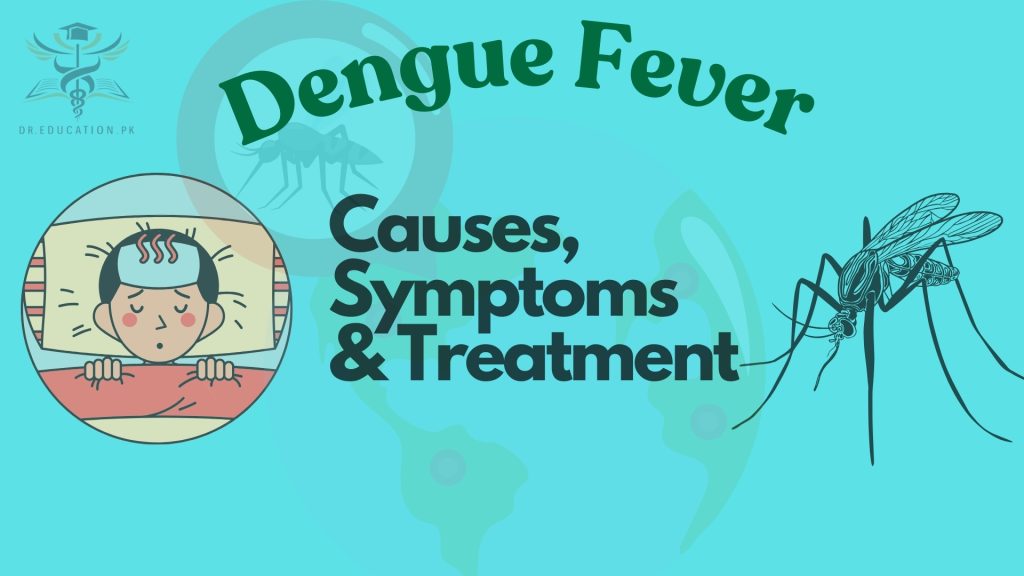
Dengue fever is a viral infection that spreads from mosquitoes to people. It is more common in tropical and subtropical climates.
Most people who get dengue will not have symptoms. But for those who do, the most common symptoms are high fever, headache, body aches, nausea, and rash. Most will get better in 1–2 weeks. Some people develop severe dengue and need care in a hospital.
In severe cases, dengue can be fatal.
You can lower your risk of dengue by avoiding mosquito bites especially during the day.
Dengue is treated with pain medicine as there is no specific treatment currently.
Overview
What is Dengue Fever?
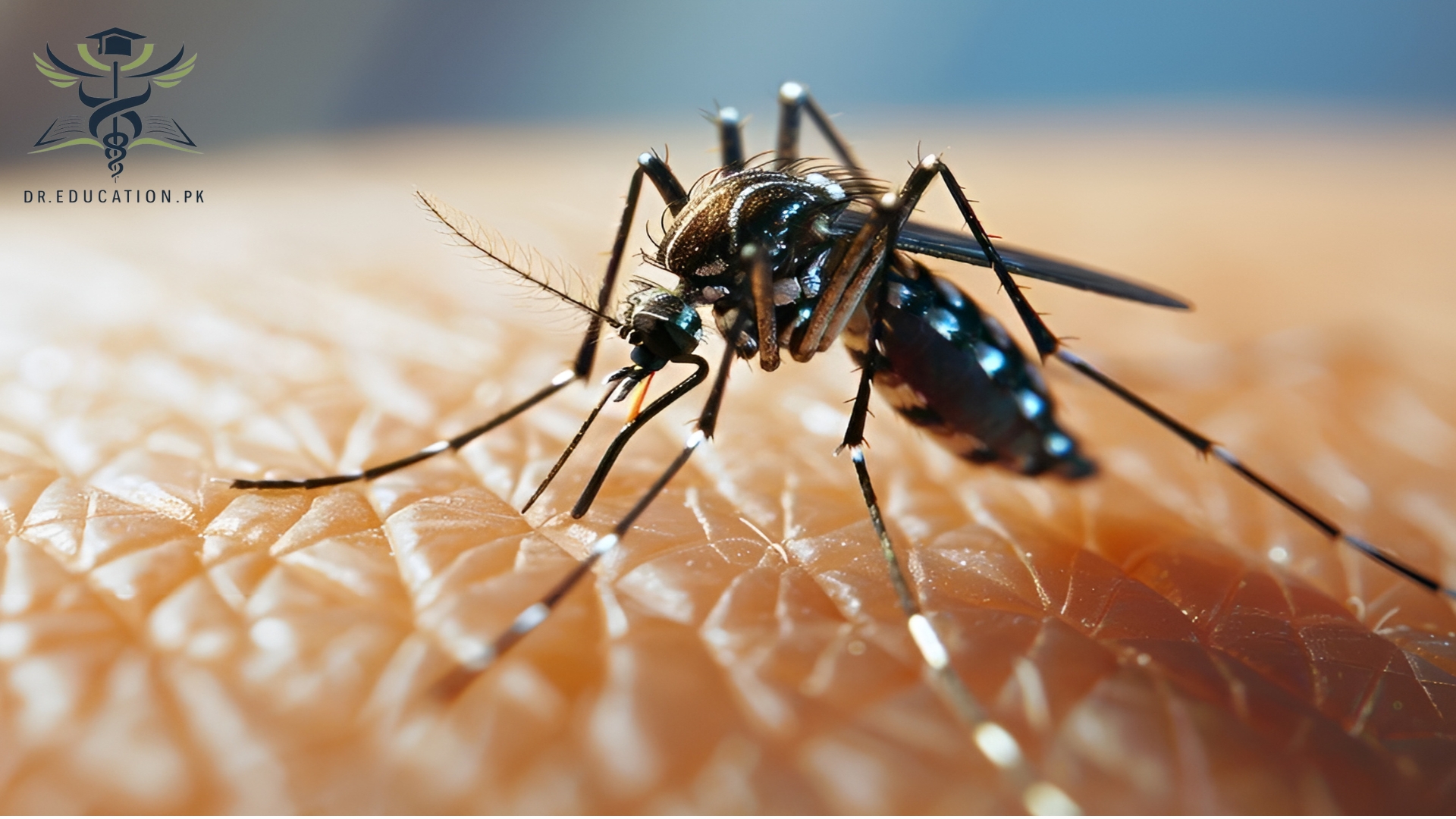
Dengue (DENG-gee) fever is a mosquito-borne illness that occurs in tropical and subtropical areas of the world. Mild dengue fever causes a high fever and flu-like symptoms. The severe form of dengue fever, also called dengue hemorrhagic fever, can cause serious bleeding, a sudden drop in blood pressure (shock) and death.
Millions of cases of dengue infection occur worldwide each year. Dengue fever is most common in Southeast Asia, the western Pacific islands, Latin America and Africa. But the disease has been spreading to new areas, including local outbreaks in Europe and southern parts of the United States.
Researchers are working on dengue fever vaccines. For now, in areas where dengue fever is common, the best ways to prevent infection are to avoid being bitten by mosquitoes and to take steps to reduce the mosquito population.
Strains of Dengue Fever
Dengue viruses come in four types, which doctors call serotypes:
- DENV-1
- DENV-2
- DENV-3
- DENV-4
All four serotypes are similar. They spread in the same parts of the world and cause the same symptoms. But each virus reacts differently to antibodies — proteins your immune system makes to protect you against germs.

Who does dengue fever affect?
Dengue is most commonly found in Central and South America, Africa, parts of Asia and the Pacific Islands. A few parts of the U.S. also have dengue. Those living in or traveling to these regions — more than half the people in the world — are most at risk. Children and those who are elderly are at higher risk for serious illness.
Dengue Fever vs. Malaria
Malaria is another disease that spreads through the bite of infected mosquitoes in tropical countries. A different type of mosquito carries each disease. Aedes mosquitoes spread the virus that causes dengue fever. Female anopheles mosquitoes carry the parasite that transmits malaria.
Both infections cause a high fever and headache, which can make it hard to tell the two infections apart. Malaria also has symptoms such as:
- Extreme tiredness
- Seizures
- Trouble breathing
- Dark or bloody urine
- Yellowing of the eyes and skin (called jaundice)
- Abnormal bleeding
Malaria causes more deaths worldwide than dengue fever, but it is preventable and treatable. There isn’t a specific treatment for dengue fever.
Can you be immune to dengue fever?
Yes, you can get immunity to a version of dengue virus once you’ve been infected with it. Because there are at least four versions (strains) of the virus (DENV), this is pretty complicated.
Your immune system has tools it can use to recognize infections and get better at fighting them off. As your body fights a virus, it looks through its toolbox to find out which tool (antibody) it has that can destroy that specific threat.
Antibodies are specific to each harmful invader to your body, fitting to them like a key to a lock. Antibodies grab onto their specific target and your immune system destroys it. Once your body knows how to fight that specific virus, you are unlikely to get sick with it again.
After getting one of the four strains of DENV, you shouldn’t be able to get that one again. But the antibodies for that strain don’t fit other versions quite perfectly. So if you get infected by a different version of DENV later on, it can actually use this imperfect fit to trick your immune system (antibody-dependent enhancement).
The different strain can get caught by the antibody from the first strain you had and get pulled into your cells, but — for reasons not fully understood — it’s not destroyed. It’s then inside your cells without your cells knowing it’s harmful. This makes it easier for the virus to infect you and cause more serious illness.
Symptoms
Many people experience no signs or symptoms of a dengue infection.
When symptoms do occur, they may be mistaken for other illnesses — such as the flu — and usually begin four to 10 days after you are bitten by an infected mosquito.
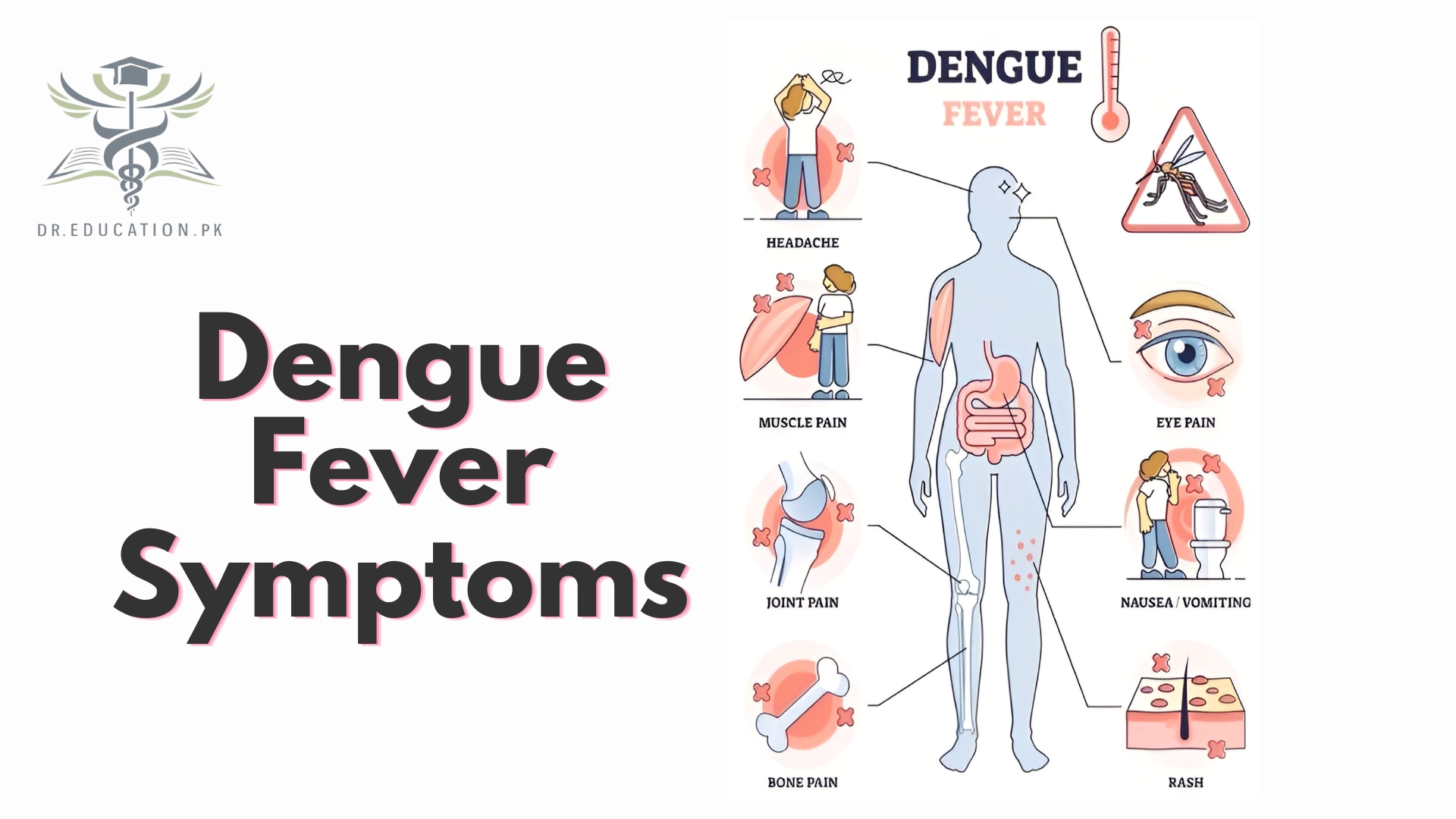
Dengue fever causes a high fever — 104 F (40 C) — and any of the following signs and symptoms:
- Headache
- Muscle, bone or joint pain
- Nausea
- Vomiting
- Pain behind the eyes
- Swollen glands
- Rash
Most people recover within a week or so. In some cases, symptoms worsen and can become life-threatening. This is called severe dengue, dengue hemorrhagic fever or dengue shock syndrome.
Severe dengue happens when your blood vessels become damaged and leaky. And the number of clot-forming cells (platelets) in your bloodstream drops. This can lead to shock, internal bleeding, organ failure and even death.
Warning signs of severe dengue fever — which is a life-threatening emergency — can develop quickly. The warning signs usually begin the first day or two after your fever goes away, and may include:
- Severe stomach pain
- Persistent vomiting
- Bleeding from your gums or nose
- Blood in your urine, stools or vomit
- Bleeding under the skin, which might look like bruising
- Difficult or rapid breathing
- Fatigue
- Irritability or restlessness
What causes dengue fever?
Dengue fever is caused by one of four dengue viruses. When a mosquito infected with the dengue virus bites you, the virus can enter your blood and make copies of itself. The virus itself and your immune system’s response can make you feel sick.
The virus can destroy parts of your blood that form clots and give structure to your blood vessels. This, along with certain chemicals that your immune system creates, can make your blood leak out of your vessels and cause internal bleeding. This leads to the life-threatening symptoms of severe dengue.
Risk factors
You have a greater risk of developing dengue fever or a more severe form of the disease if:
- You live or travel in tropical areas. Being in tropical and subtropical areas increases your risk of exposure to the virus that causes dengue fever. Especially high-risk areas include Southeast Asia, the western Pacific islands, Latin America and Africa.
- You have had dengue fever in the past. Previous infection with a dengue fever virus increases your risk of severe symptoms if you get dengue fever again.
How does dengue fever spread?
Dengue is spread by Aedes mosquitos, which also carry viruses like Zika and chikungunya. The mosquitos bites someone with dengue fever and then bites someone else, causing them to become infected.
Is dengue fever contagious?
Dengue fever isn’t contagious directly from one person to another like the flu. The only way to get dengue from another person is if a pregnant person becomes infected. If you’re pregnant and get dengue, you can pass it to your baby during pregnancy or childbirth.
Complications
Severe dengue fever can cause internal bleeding and organ damage. Blood pressure can drop to dangerous levels, causing shock. In some cases, severe dengue fever can lead to death.
Women who get dengue fever during pregnancy may be able to spread the virus to the baby during childbirth. Additionally, babies of women who get dengue fever during pregnancy have a higher risk of pre-term birth, low birth weight or fetal distress.
Diagnosis
Diagnosing dengue fever can be difficult because its signs and symptoms can be easily confused with those of other diseases — such as chikungunya, Zika virus, malaria and typhoid fever.
Your doctor will likely ask about your medical and travel history. Be sure to describe international trips in detail, including the countries you visited and the dates, as well as any contact you may have had with mosquitoes.
Your doctor may also draw a sample of blood to be tested in a lab for evidence of infection with one of the dengue viruses.
How is dengue fever treated?
There’s no medicine that treats dengue fever. Your healthcare provider will give you recommendations on how to manage your symptoms and if and when you should go to the ER.
How do I manage the symptoms of dengue fever?
While recovering from dengue fever, drink plenty of fluids. Call your doctor right away if you have any of the following signs and symptoms of dehydration:
- Decreased urination
- Few or no tears
- Dry mouth or lips
- Lethargy or confusion
- Cold or clammy extremities
The over-the-counter (OTC) drug Acetaminophen can help reduce muscle pain and fever. But if you have dengue fever, you should avoid other OTC pain relievers, including Aspirin, Ibuprofen and Naproxen sodium. These pain relievers can increase the risk of dengue fever bleeding complications.
If you have severe dengue fever, you may need:
- Supportive care in a hospital
- Intravenous (IV) fluid and electrolyte replacement
- Blood pressure monitoring
- Transfusion to replace blood loss
Prevention
How can I reduce my risk of dengue fever?
The two main ways to protect yourself from dengue are through avoiding mosquito bites and vaccination.
Mosquito protection
The best way to reduce your risk of dengue fever is to protect yourself from mosquito bites:
- Use EPA-registered insect repellents that contain 20% to 30% DEET or other ingredients known to help keep Aedes mosquitos away.
- Cover exposed skin outdoors, especially at night when mosquitos are more likely to be around.
- Remove standing water (buckets or barrels, bird baths, old tires that may hold rainwater) and fill low spots where water can pool.
- Keep mosquitos outside of your home by repairing holes in screens and keeping windows and doors closed if possible.
- Use mosquito netting at night in areas where dengue is common.
- If you’re pregnant, avoid traveling to areas where dengue is common if possible.
- When traveling, be sure to check with the CDC to understand if there are any outbreaks of illness in your destination before you leave.
Dengue vaccine
The dengue vaccine (Dengvaxia) is recommended only if you’ve already had dengue before. It can reduce your risk of severe dengue (dengue hemorrhagic fever) if you get a different version of the dengue virus in the future.
Getting the vaccine isn’t recommended if you’ve never had dengue before. Because getting infected once with dengue makes you more likely to get sicker if you get another version of the virus (antibody-dependent enhancement), getting vaccinated before having dengue for the first time can increase your risk of severe dengue. Your healthcare provider will do a blood test to check for signs of a previous dengue infection to confirm that you’ve had dengue before getting the vaccine.
Vaccination isn’t available to everyone. For instance, travelers from the U.S. aren’t yet eligible. Check with your healthcare provider to understand whether you’re eligible for dengue vaccination.
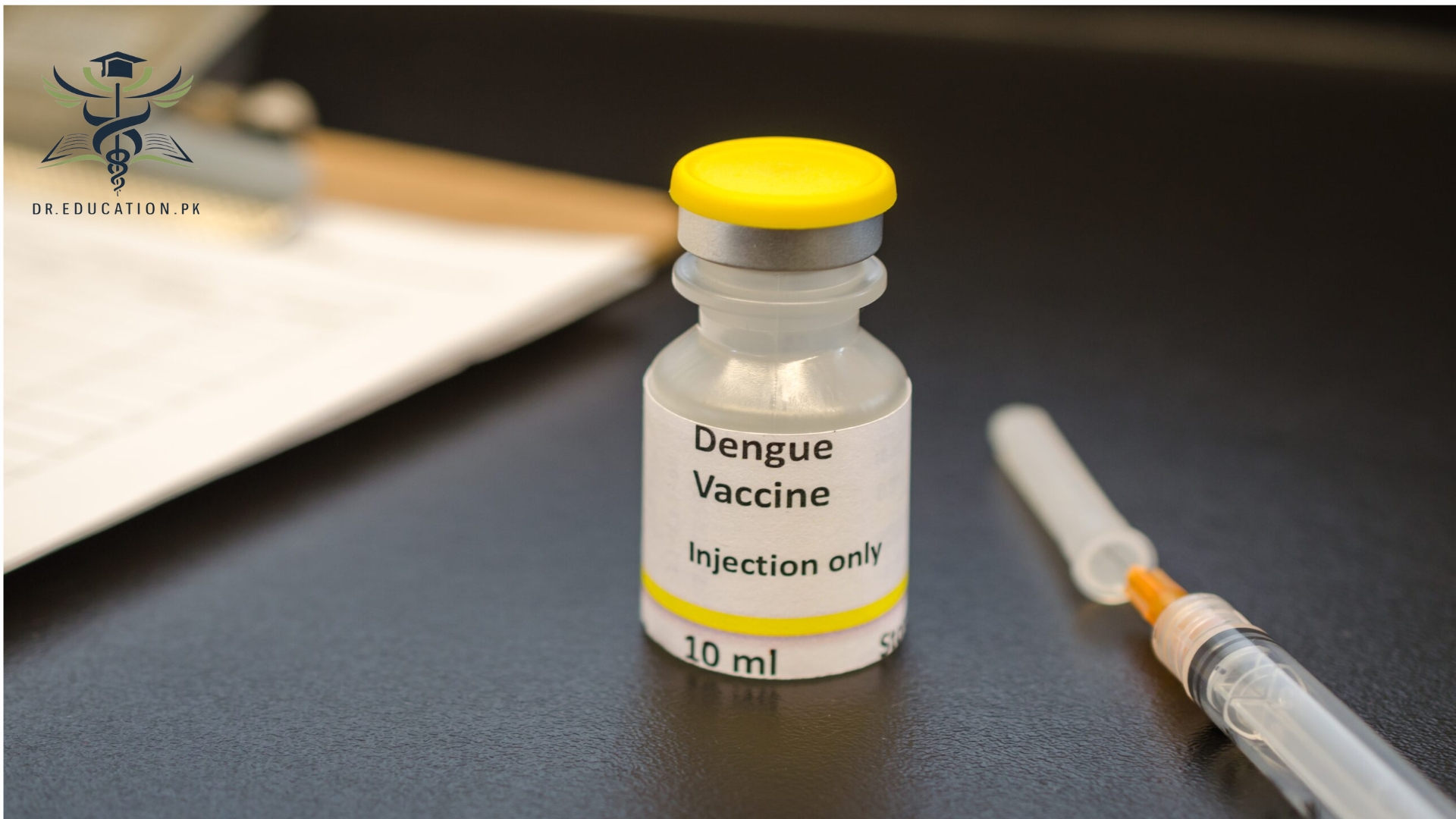
Dengue Fever Immunity
After an infection with one serotype of dengue fever, you’ll have lifelong immunity to the virus. That means you can never get sick from that type of dengue again. You’ll also be immune against the other three serotypes, but only temporarily. After a few months, you can get an infection with any of the other three types.
Conclusion from Dreducation.pk
In conclusion, dengue fever is a serious mosquito-borne illness common in tropical and subtropical regions, with symptoms ranging from mild flu-like illness to life-threatening conditions like dengue hemorrhagic fever.
While there is no specific antiviral treatment, managing symptoms with proper hydration and acetaminophen can aid recovery. Preventing mosquito bites is crucial, especially in endemic areas.
The available dengue vaccine, recommended only for those previously infected, can help reduce the risk of severe illness in future infections with different strains.
As research progresses, effective prevention and vigilant symptom management remain essential in controlling dengue fever’s spread and severity.