
Nervous System
According to Wikipedia,
- In biology, the nervous system is the highly complex part of an animal that coordinates its actions and sensory information by transmitting signals to and from different parts of its body.
- The nervous system detects environmental changes that impact the body, then works in tandem with the endocrine system to respond to such events.
- Nervous tissue first arose in wormlike organisms about 550 to 600 million years ago.
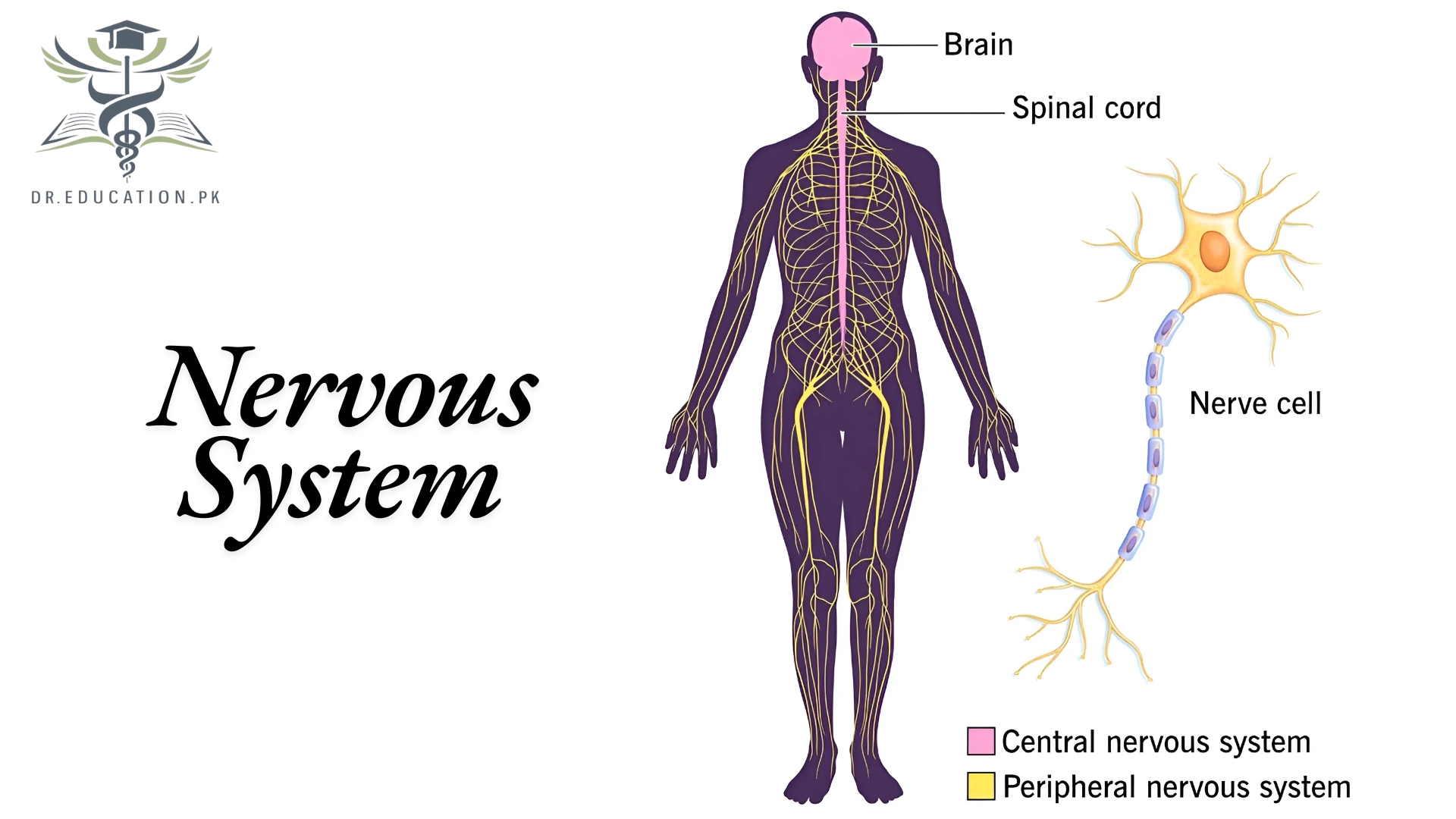
- In vertebrates, it consists of two main parts, the central nervous system (CNS) and the peripheral nervous system (PNS).
Overview
What is Nervous System?
Your nervous system is your body’s command center. It’s made up of your brain, spinal cord and nerves. Your nervous system works by sending messages, or electrical signals, between your brain and all the other parts of your body. These signals tell you to breathe, move, speak and see, for example. Your nervous system keeps track of what’s going on inside and outside of your body and decides how to respond to any situation you’re in.
Your nervous system regulates complicated processes like thoughts and memory. It also plays an essential role in the things your body does without thinking, like blushing, sweating and blinking.
Anatomy of the Nervous System
What are the parts of the nervous system?
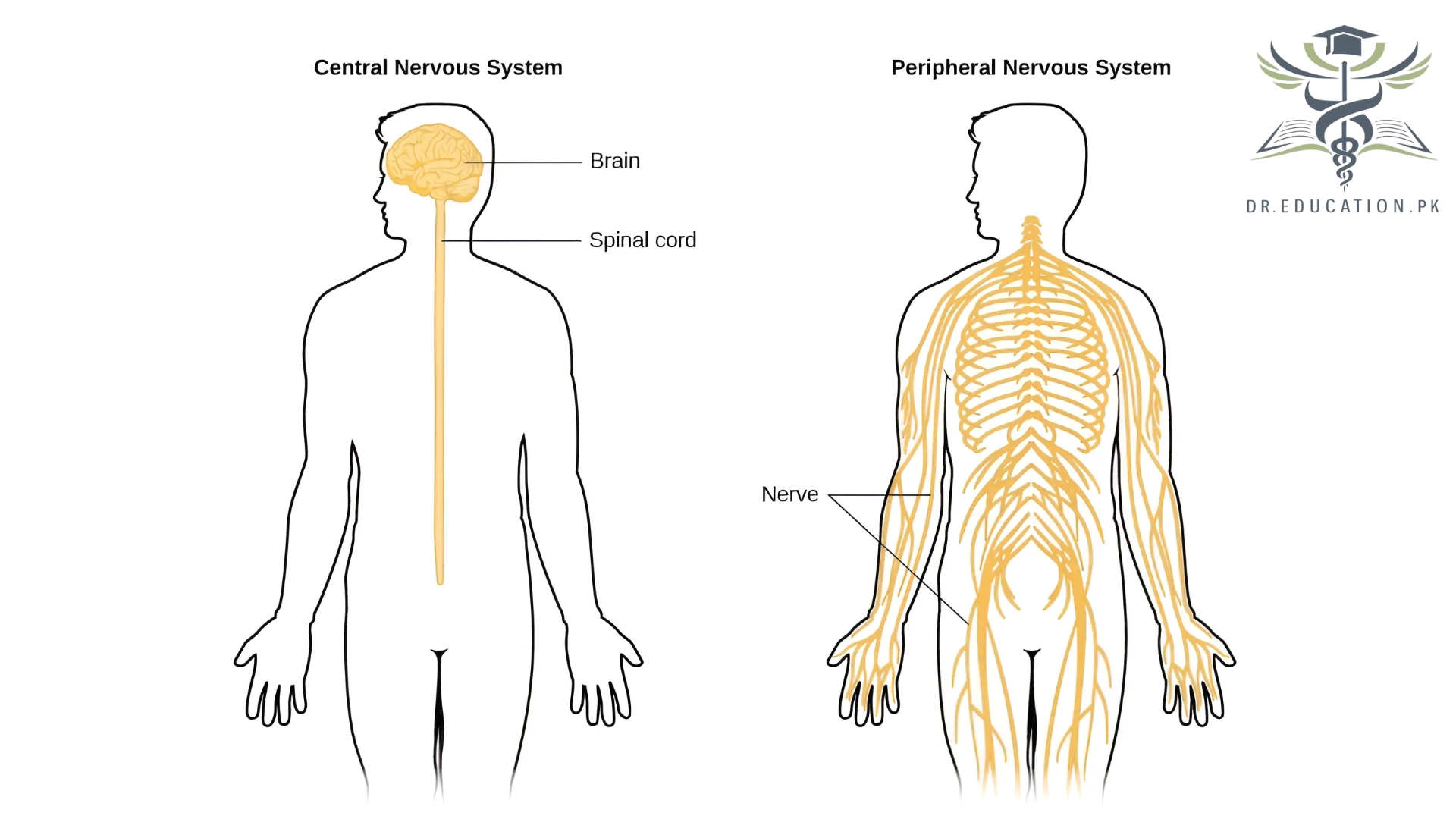
The nervous system has two main parts:
- Central nervous system (CNS): Your brain and spinal cord make up your CNS. Your brain reads signals from your nerves to regulate how you think, move and feel.
- Peripheral nervous system (PNS): Your PNS is made up of a network of nerves. The nerves branch out from your spinal cord. This system relays information from your brain and spinal cord to your organs, arms, legs, fingers and toes.
There are two parts to your peripheral nervous system:
- The somatic nervous system guides your voluntary movements.
- The autonomic nervous system regulates the activities you do without thinking about them (involuntary movements).
Brain
The brain is made up of different parts. These include the:
- cerebrum
- cerebellum
- thalamus
- hypothalamus
- brainstem
The brain’s cerebral cortex is the outermost layer of the brain that gives the brain its wrinkly appearance. The cerebral cortex is divided in half lengthways into two sides or hemispheres, the left hemisphere, and the right hemisphere. Each hemisphere specialises in different functions, but they share information and work together seamlessly.
Each brain hemisphere (parts of the cerebrum) has 4 different sections called lobes. These lobes are the frontal, parietal, temporal and occipital lobes. Each lobe carries out different brain functions.
What are nerve cells?
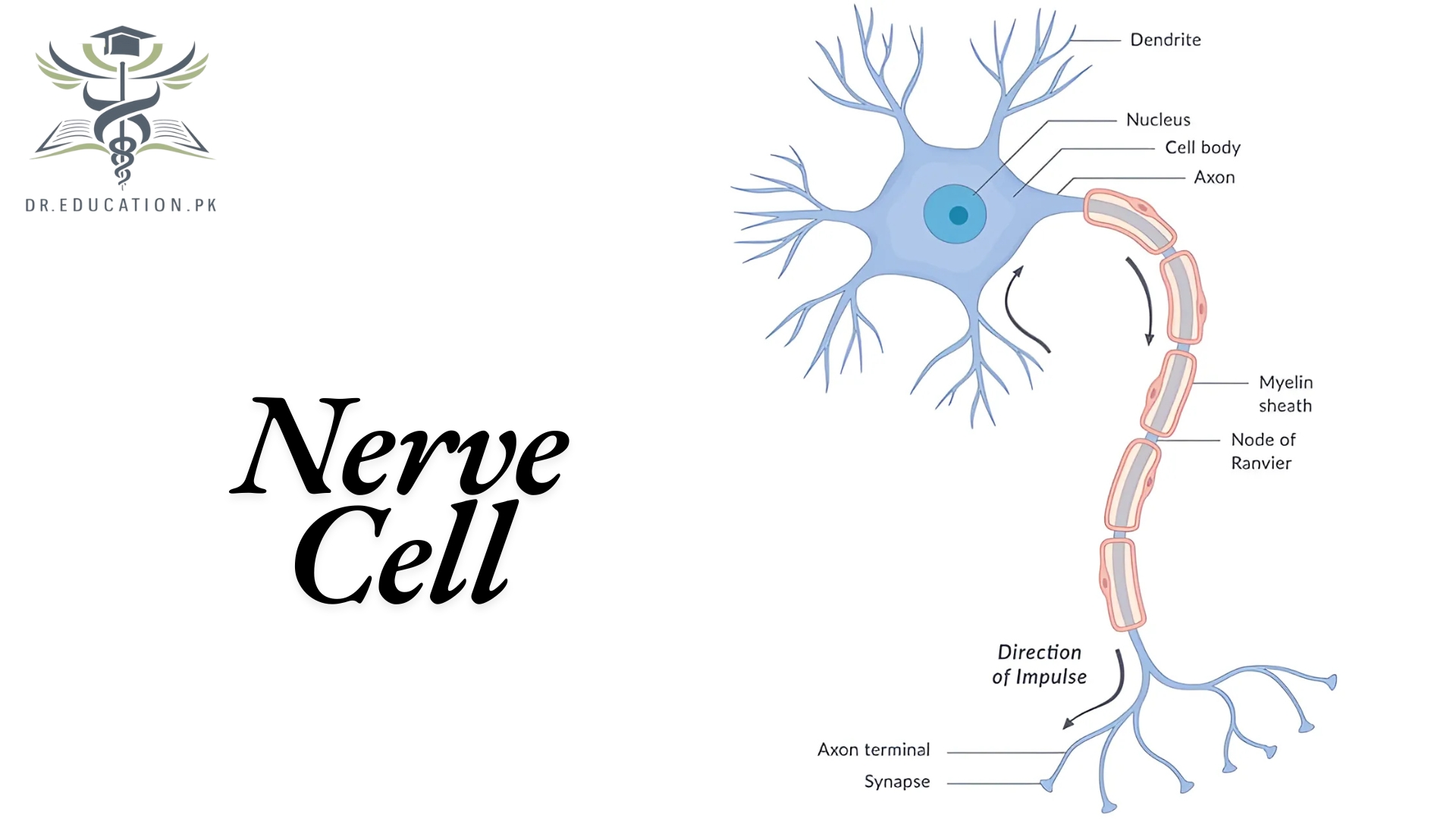
The basic building blocks of the nervous system are the nerve cells, or neurons. The human brain has around 100 billion neurons. These cells are responsible for carrying messages to and from different parts of the body.
Neurons have a cell body which contain the cell’s nucleus as well as special extension called dendrites and axons.
The synapse is the gap between the end of one neuron’s axon and the tip of next neuron’s dendrites. Messages travel from one neuron to the next across synapses.
How does the nervous system work?
Your nervous system uses nerve cells called neurons to send signals, or messages, all over your body. These electrical signals travel among your brain, skin, organs, glands and muscles.
The messages help you move your limbs and feel sensations, like pain. Your eyes, ears, tongue, nose and the nerves all over your body take in information about your environment. Then, nerves carry that data to and from your brain.
There are different types of neurons. Each type of neuron has a different job:
- Motor neurons take signals from your brain and spinal cord to your muscles. They help you move. They also assist with breathing, swallowing and speaking.
- Sensory neurons take information from your senses (what you see, touch, taste, etc.) to your brain.
- Interneurons communicate between motor and sensory neurons. These neurons regulate your movement in response to sensory information (like moving away from a hot surface) and play a role in how you learn, think and remember.
What does the nervous system look like?
Nerve cells (neurons) are the basis of your nervous system. There are 100 billion neurons in your brain. These cells connect throughout your entire body.
Imagine your nervous system as a tree. Your central nervous system is the trunk of the tree that contains your brain and spinal cord. The tree branches are your peripheral nervous system (nerves). The branches extend from the truck (brain and spinal cord) to reach all parts of your body.
Functions of the Nervous System
What does the nervous system do?
Your nervous system’s main function is to send messages from various parts of your body to your brain, and from your brain back out to your body to tell your body what to do. These messages regulate your:
- Thoughts, memory, learning and feelings.
- Movements (balance and coordination).
- Senses (how your brain interprets what you see, hear, taste, touch and feel).
- Wound healing.
- Sleep.
- Heartbeat and breathing patterns.
- Response to stressful situations, including sweat production.
- Digestion.
- Body processes, such as puberty and aging.
Conditions and Disorders
What are Conditions that affect the nervous system?
There are many conditions that affect your nervous system. Some of the most common include:
- Alzheimer’s disease.
- Cancer.
- Cerebral palsy.
- Epilepsy.
- Huntington’s disease.
- Infection (meningitis).
- Parkinson’s disease.
- Stroke.
- Traumatic brain injury.
How are conditions that affect the nervous system treated?
A healthcare provider will review your symptoms to diagnose and treat any conditions that affect your nervous system. Treatment varies for each condition. So, your healthcare provider will take into consideration several factors, like your age and general health, to create your treatment plan. This plan may include:
- Taking medications.
- Having surgery.
- Participating in counseling for mental and emotional support.
- Receiving supportive care (to keep you comfortable).
What are the symptoms of problems with the nervous system?
There are many different symptoms that could suggest a problem with the nervous system. They include:
- headaches
- blurry vision
- fatigue
- leg or arm numbness
- loss of coordination, weakness or loss of muscle strength
- slurred speech
- tremors
Other symptoms that might suggest a problem with the central nervous system include:
- emotional problems
- memory loss
- behavioural changes
There are also many diseases that affect the peripheral nervous system. The peripheral nerves include the nerves outside the brain and spinal cord such as nerves of the face, arms, legs and torso. Read more on diseases of the peripheral nervous system.
It is important to seek medical help if you have symptoms that do not go away on their own.
Disorders of the nervous system
Disorders of the nervous system may include:
- Vascular disorders, such as stroke, transient ischemic attack (TIA), subarachnoid hemorrhage, subdural hemorrhage and hematoma, and extradural hemorrhage
- Infections, such as meningitis, encephalitis, myelitis, and epidural abscess
- Structural disorders, such as brain or spinal cord injury, cervical spondylosis, carpal tunnel syndrome, brain or spinal cord tumors
- Seizure disorders, such as epilepsy.
- Degeneration, such as Parkinson disease, amyotrophic lateral sclerosis (ALS), Huntington chorea, and Alzheimer disease
- Autoimmune or inflammatory disorders , such as Bell palsy, multiple sclerosis, peripheral neuropathy, and Guillain-Barré syndrome
- Mental health disorders, such as mood disorders, depression, and schizophrenia.
Care
How do I keep my nervous system healthy?
You can keep your nervous system healthy by:
- Seeing a healthcare provider regularly.
- Maintaining good health (like eating balanced foods).
- Avoiding harmful substances (like not smoking tobacco).
- Wearing protective gear or equipment (a helmet) when playing sports or participating in certain activities.
- Managing any underlying health conditions.
When should I call a healthcare provider?
Contact a healthcare provider right away if you notice sudden changes to your health like:
- Muscle weakness.
- Vision problems or severe headaches.
- Slurred speech.
- Numbness, tingling or loss of sensation in your arms or legs.
- Tremors or tics (random muscle movements).
- Changes in behavior or memory.
- Problems with coordination or moving your muscles.
Conclusion from Dreducation.pk
The nervous system is a vital and intricate part of the human body, serving as the command center that regulates voluntary and involuntary actions, processes sensory information, and enables complex functions like thought and memory. Comprising the central and peripheral nervous systems, it orchestrates the communication between the brain, spinal cord, and the rest of the body, ensuring harmony and functionality.
Understanding the nervous system’s structure, functions, and common disorders is essential for maintaining overall health. Regular check-ups, a balanced lifestyle, and early detection of symptoms can prevent or mitigate issues affecting this system. By prioritizing care for your nervous system, you not only support your body’s immediate needs but also contribute to long-term well-being and cognitive health.


