
What is Alzheimer’s Disease?
According to Wikipedia,
Alzheimer’s disease (AD) is a neurodegenerative disease that usually starts slowly and progressively worsens, and is the cause of 60–70% of cases of dementia.
The most common early symptom is difficulty in remembering recent events. As the disease advances, symptoms can include problems with language, disorientation (including easily getting lost), mood swings, loss of motivation, self-neglect, and behavioral issues.
As a person’s condition declines, they often withdraw from family and society. Gradually, bodily functions are lost, ultimately leading to death. Although the speed of progression can vary, the average life expectancy following diagnosis is three to twelve years.
Overview
How Alzheimer is Pronounced?
Alzheimer is Pronounced as “alz-HAI-mirs”.
What is Alzheimer’s Disease?
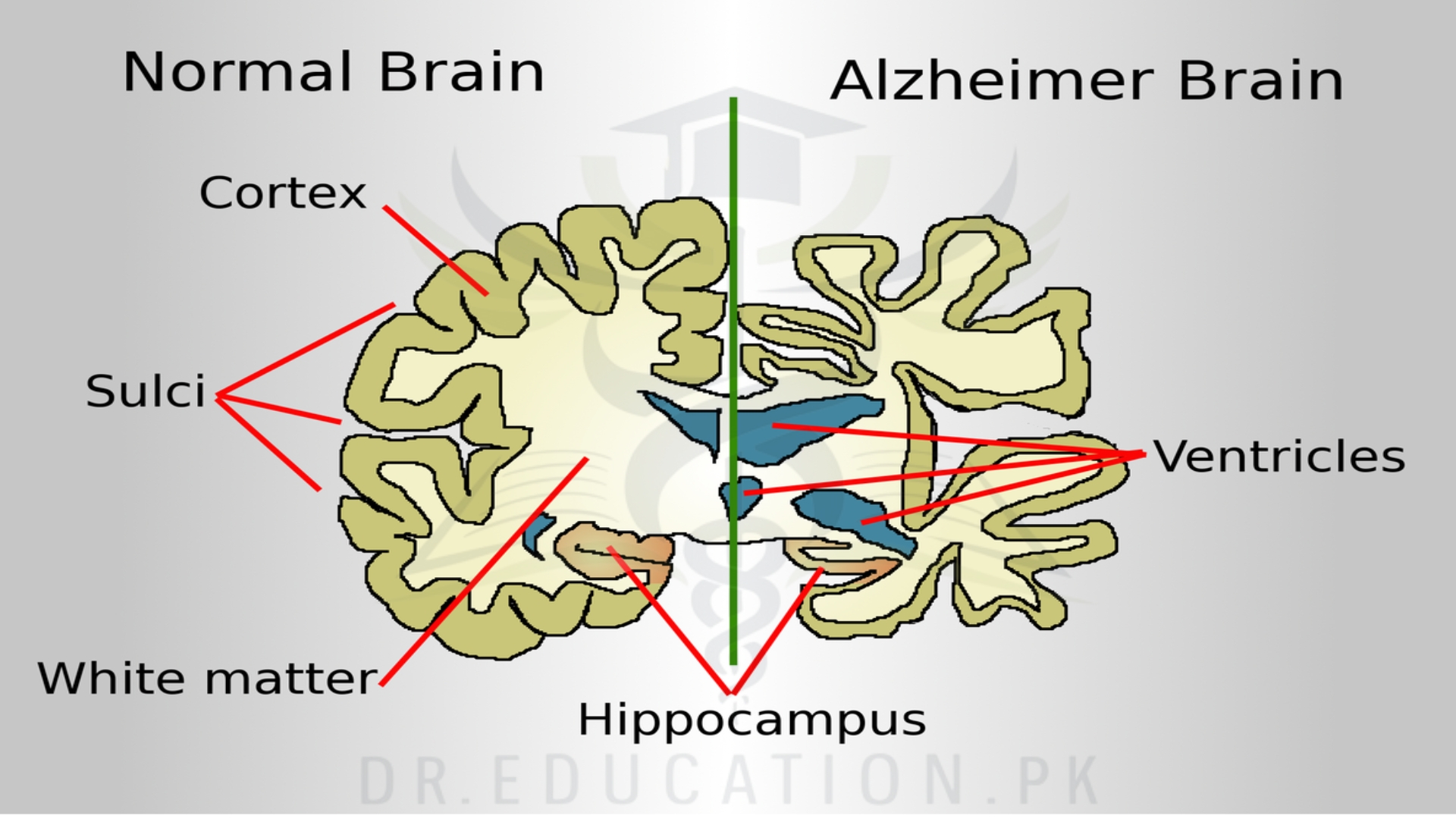
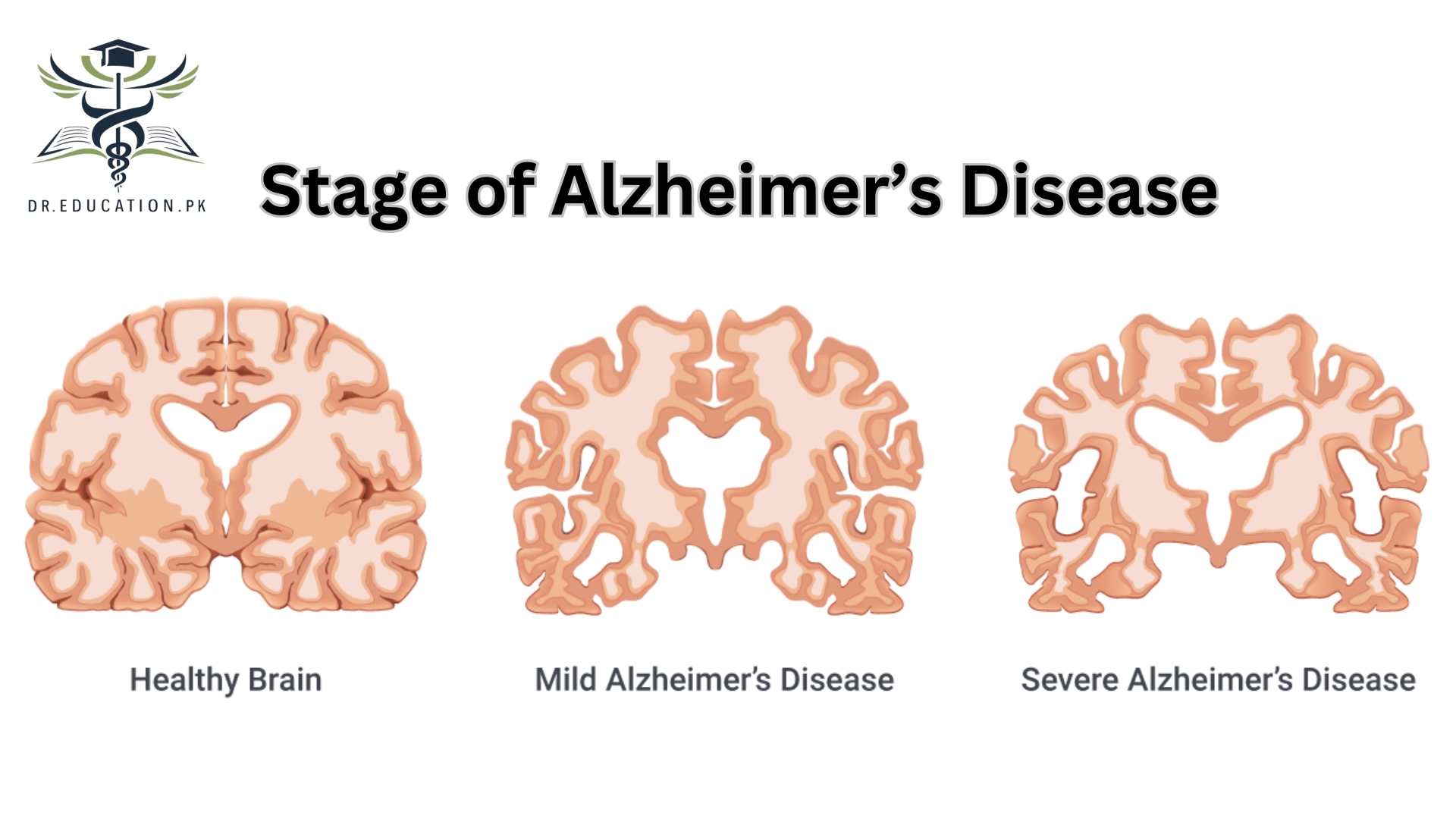
Alzheimer’s disease is the most common cause of dementia. Alzheimer’s disease is the biological process that begins with the appearance of a buildup of proteins in the form of amyloid plaques and neurofibrillary tangles in the brain. This causes brain cells to die over time and the brain to shrink.
Early symptoms of Alzheimer’s disease include forgetting recent events or conversations. Over time, Alzheimer’s disease leads to serious memory loss and affects a person’s ability to do everyday tasks.
There is no cure for Alzheimer’s disease. In advanced stages, loss of brain function can cause dehydration, poor nutrition or infection. These complications can result in death.
But medicines may improve symptoms or slow the decline in thinking. Programs and services can help support people with the disease and their caregivers.
How common is Alzheimer’s Disease?
About 6.9 million people in the United States age 65 and older live with Alzheimer’s disease. Among them, more than 70% are age 75 and older. Of the more than 55 million people in the world with dementia, 60% to 70% are estimated to have Alzheimer’s disease.
What is the difference between Alzheimer’s and dementia?
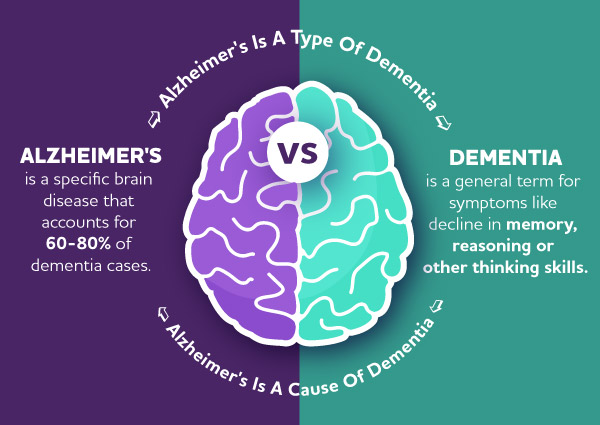
Dementia describes the state of a person’s mental function. It’s not a specific disease. It’s a decline in mental function from a previously higher level that’s severe enough to interfere with daily living.
A person with dementia has two or more of these specific difficulties, including a change or decline in:
- Memory.
- Reasoning and handling of complex tasks.
- Language.
- Understanding visual form and space relationship.
- Behavior and personality.
Dementia ranges in severity. In the mildest stage, you may notice a slight decline in your mental functioning and require some assistance on daily tasks. At the most severe stage, a person depends completely on others for help with simple daily tasks.
Dementia develops when infections or diseases impact the parts of your brain involved with learning, memory, decision-making or language. Alzheimer’s disease is the most common cause of dementia, accounting for at least two-thirds of dementia cases in people 65 and older.
Other common causes of dementia include:
- Vascular dementia.
- Dementia with Lewy bodies.
- Frontotemporal dementia.
- Dementia due to Parkinson’s disease.
Who is affected?
Alzheimer’s disease is most common in people over the age of 65.
The risk of Alzheimer’s disease and other types of dementia increases with age, affecting an estimated 1 in 14 people over the age of 65 and 1 in every 6 people over the age of 80.
But around 1 in every 13 people with Alzheimer’s disease are under the age of 65. This is called early- or young-onset Alzheimer’s disease.
What are the stages of Alzheimer’s disease?
Alzheimer’s disease organizations and healthcare providers use various terms to describe the stages of Alzheimer’s disease based on symptoms.
While the terms vary, the stages all follow the same pattern — AD symptoms progressively worsen over time.
No two people experience AD in the same way, though. Each person with Alzheimer’s disease will progress through the stages at different speeds. Not all changes will occur in each person. It can sometimes be difficult for providers to place a person with AD in a specific stage as stages may overlap.
Some organizations and providers frame the stages of Alzheimer’s disease in terms of dementia:
- Preclinical Alzheimer’s disease.
- Mild cognitive impairment (MCI) due to Alzheimer’s disease.
- Mild dementia due to Alzheimer’s disease.
- Moderate dementia due to Alzheimer’s disease
- Severe dementia due to Alzheimer’s disease.
Other organizations and providers more broadly explain the stages as:
- Mild.
- Moderate.
- Severe.
Or:
- Early.
- Middle.
- Late.
Don’t be afraid to ask your healthcare provider or your loved one’s provider what they mean when they use certain words to describe the stages of Alzheimer’s.
Symptoms of Alzheimer’s Disease
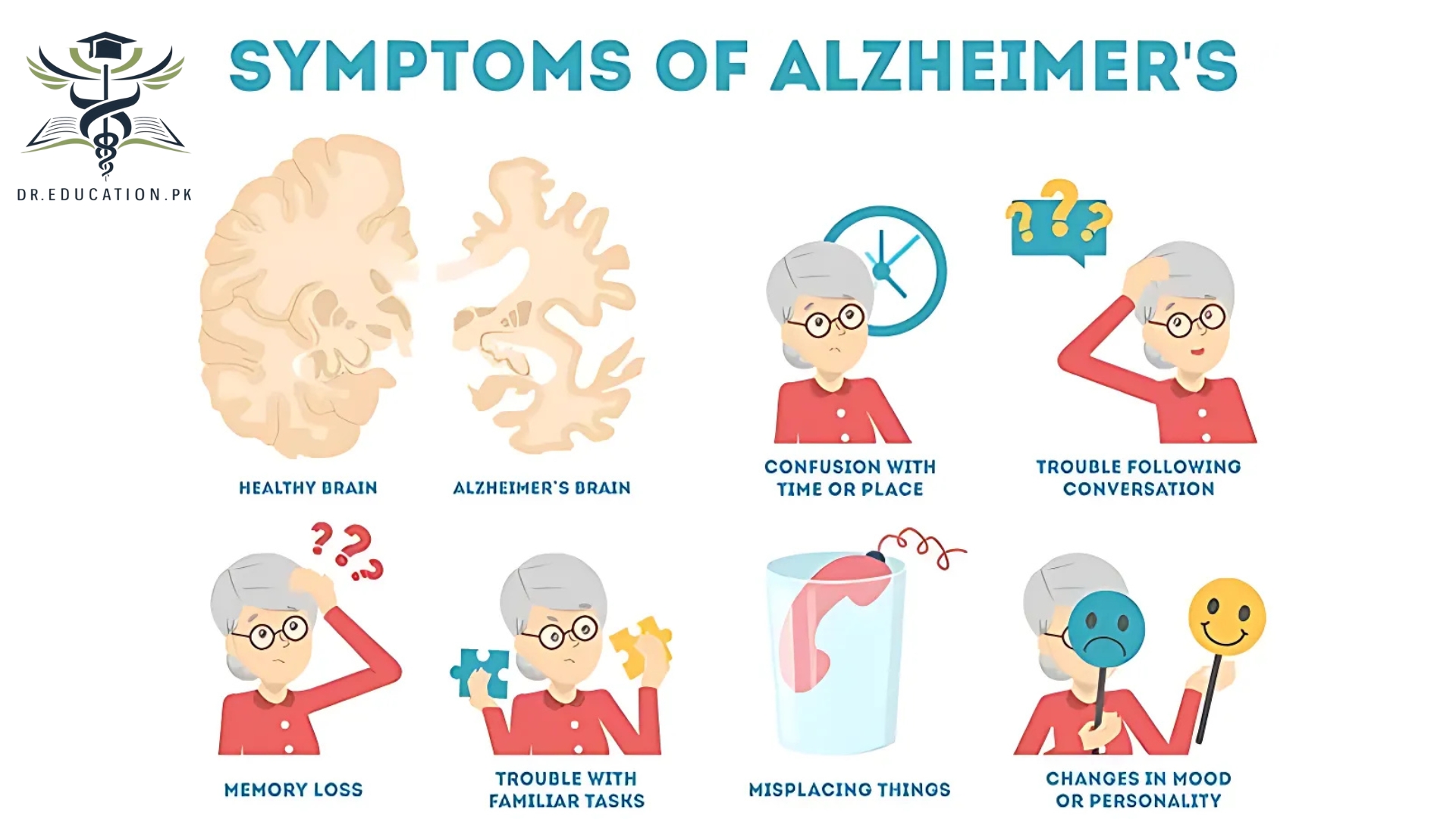
The signs and symptoms of Alzheimer’s disease (AD) vary based on the stage of the condition. In general, the symptoms of AD involve a gradual decline in some, most or all of the following:
- Memory.
- Reasoning and handling of complex tasks.
- Language.
- Understanding visual form and space relationship.
- Behavior and personality.
People with memory loss or other signs of Alzheimer’s may have difficulty recognizing their mental decline. These signs may be more obvious to loved ones. Anyone experiencing dementia-like symptoms should see a healthcare provider as soon as possible.
Symptoms of the mild stage of Alzheimer’s dementia
Symptoms of AD become noticeable in the mild stage. The most common early symptom is forgetting newly learned information, especially recent events, places and names.
Other signs and symptoms of mild Alzheimer’s include:
- Having difficulty finding the right words to express thoughts.
- Losing or misplacing objects more than usual.
- Having difficulty making plans or organizing.
- Having difficulty problem-solving.
- Taking longer to complete routine daily tasks.
Most people in the mild stage of AD have no problem recognizing familiar faces and can usually travel to familiar places.
Symptoms of the moderate stage of Alzheimer’s
Moderate Alzheimer’s is typically the longest stage and can last many years. People in the moderate stage of Alzheimer’s often require care and assistance.
People in this stage may:
- Have increased memory loss and confusion, often forgetting events or details about their life, such as their telephone number or where they went to school.
- Have growing confusion about which day of the week it is, which season they’re in and where they are.
- Have poor short-term memory.
- Have some difficulty recognizing friends and family.
- Repeat stories, thoughts or events that are on their minds.
- Have difficulty with simple math.
- Need help with self-care, such as bathing, grooming, showering and using the bathroom.
- Experience more personality changes, including being agitated or acting out. They may show depression, apathy or anxiety as the disease progresses.
- Develop groundless suspicions about family, friends and caregivers (delusions).
- Develop urinary incontinence and/or fecal (bowel) incontinence.
- Have sleep disturbances.
- Begin to wander from their living area.
Symptoms of the severe stage of Alzheimer’s
In the final stage of Alzheimer’s, dementia symptoms are severe. People in this stage need extensive care.
In the severe stage of Alzheimer’s disease, the person often:
- Has almost total memory loss.
- Is unaware of their surroundings.
- Needs help with all basic activities of everyday living, such as eating, sitting up and walking.
- Loses their ability to communicate. Their speech becomes limited to a few words or phrases.
- Becomes vulnerable to infections, especially pneumonia and skin infections.
Hospice care may be appropriate at this time for comfort.
Causes of Alzheimer’s Disease
Alzheimer’s disease is thought to be caused by the abnormal build-up of proteins in and around brain cells.
- One of the proteins involved is called amyloid, deposits of which form plaques around brain cells.
- The other protein is called tau, deposits of which form tangles within brain cells.
- Although it’s not known exactly what causes this process to begin, scientists now know that it begins many years before symptoms appear.
- As brain cells become affected, there’s also a decrease in chemical messengers (called neurotransmitters) involved in sending messages, or signals, between brain cells.
- Levels of one neurotransmitter, acetylcholine, are particularly low in the brains of people with Alzheimer’s disease.
- Over time, different areas of the brain shrink. The first areas usually affected are responsible for memories.
- In more unusual forms of Alzheimer’s disease, different areas of the brain are affected.
- The first symptoms may be problems with vision or language rather than memory.
Increased risk
Although it’s still unknown what triggers Alzheimer’s disease, several factors are known to increase your risk of developing the condition.
Age
Age is the single most significant factor. The likelihood of developing Alzheimer’s disease doubles every 5 years after you reach 65.
But it’s not just older people who are at risk of developing Alzheimer’s disease. Around 1 in 20 people with the condition are under 65.
This is called early- or young-onset Alzheimer’s disease and it can affect people from around the age of 40.
Family history
The genes you inherit from your parents can contribute to your risk of developing Alzheimer’s disease, although the actual increase in risk is small.
But in a few families, Alzheimer’s disease is caused by the inheritance of a single gene and the risks of the condition being passed on are much higher.
If several of your family members have developed dementia over the generations, and particularly at a young age, you may want to seek genetic counselling for information and advice about your chances of developing Alzheimer’s disease when you’re older.
The Alzheimer’s Society website has more information about the genetics of dementia.
Down’s syndrome
People with Down’s syndrome are at a higher risk of developing Alzheimer’s disease.
This is because the genetic changes that cause Down’s syndrome can also cause amyloid plaques to build up in the brain over time, which can lead to Alzheimer’s disease in some people.
Head injuries
People who have had a severe head injury may be at higher risk of developing Alzheimer’s disease, but much research is still needed in this area.
Cardiovascular disease
Research shows that several lifestyle factors and conditions associated with cardiovascular disease can increase the risk of Alzheimer’s disease.
These include:
- smoking
- obesity
- diabetes
- high blood pressure
- high cholesterol
You can help reduce your risk by:
- stopping smoking
- eating a healthy, balanced diet
- leading an active life, both physically and mentally
- losing weight if you need to
- drinking less alcohol
- having regular health checks as you get older
Complications
Alzheimer’s disease can lead to a variety of complications. Symptoms such as memory loss, language loss, impaired judgment and other brain changes can make it harder to manage other health conditions. A person with Alzheimer’s disease may not be able to:
- Tell someone about being in pain.
- Explain symptoms of another illness.
- Follow a treatment plan.
- Explain medicine side effects.
As Alzheimer’s disease moves into its last stages, brain changes begin to affect physical functions. The changes can affect the ability to swallow, balance, and manage stool and bladder movements. These effects can lead to other health issues such as:
- Inhaling food or liquid into the lungs.
- Flu, pneumonia and other infections.
- Falls.
- Fractures.
- Bedsores.
- Poor nutrition or dehydration.
- Constipation or diarrhea.
Other risk factors
In addition, the latest research suggests that other factors are also important, although this does not mean these factors are directly responsible for causing dementia.
These include:
- hearing loss
- untreated depression (though depression can also be one of the symptoms of Alzheimer’s disease)
- loneliness or social isolation
- a sedentary lifestyle
How is Alzheimer’s disease diagnosed?
Healthcare providers use several methods to determine if a person with memory issues has Alzheimer’s disease. This is because many other conditions, especially neurological conditions, can cause dementia and other symptoms of Alzheimer’s.
In the beginning steps of an Alzheimer’s diagnosis, a provider will ask questions to better understand your health and daily living. Your provider may also ask someone close to you, like a family member or caregiver, for insight into your symptoms. They’ll ask about:
- Overall health.
- Current medications.
- Medical history.
- Ability to carry out daily activities.
- Changes in mood, behavior and personality.
A provider will also:
- Perform a physical exam and a neurological exam.
- Perform a mental status exam, which includes tests to assess memory, problem-solving, attention, basic math and language.
- Order standard medical tests, such as blood and urine tests, to rule out other possible causes of the symptoms.
- Order brain imaging tests, such as a brain CT, brain MRI or positron emission tomography, to support an Alzheimer’s diagnosis or to rule out other possible conditions.
Treatment
Treatments for Alzheimer’s disease include medicines that can help with symptoms and newer medicines that can help slow decline in thinking and functioning. These newer medicines are approved for people with early Alzheimer’s disease.
Medicines
Alzheimer’s medicines can help with memory symptoms and other cognitive changes. Two types of medicines used to treat symptoms include:
- Cholinesterase inhibitors. These medicines work by boosting levels of cell-to-cell communication. The medicines preserve a chemical messenger that is depleted in the brain by Alzheimer’s disease. These are usually the first medicines tried, and most people see modest improvements in symptoms.
- Cholinesterase inhibitors may improve symptoms related to behavior, such as agitation or depression. The medicines are taken by mouth or through a patch on the skin. Commonly prescribed cholinesterase inhibitors include donepezil, galantamine and rivastigmine transdermal patch.
- The main side effects of these medicines include diarrhea, nausea, loss of appetite and trouble with sleep. In people with certain heart conditions, serious side effects may include an irregular heartbeat.
- Memantine. This medicine works in another brain cell communication network and slows the progression of symptoms with moderate to severe Alzheimer’s disease. It’s sometimes used in combination with a cholinesterase inhibitor. Relatively rare side effects include dizziness and confusion.
Other medicines have been approved by the Food and Drug Administration, also called FDA, to slow declines in thinking and functioning caused by Alzheimer’s disease. The medicines prevent amyloid plaques in the brain from clumping. They’re prescribed for people with mild Alzheimer’s disease and mild cognitive impairment due to Alzheimer’s disease.
These medicines include:
- Lecanemab-irmb. This medicine is given as an IV infusion every two weeks. Side effects may include infusion-related reactions such as fever, flu-like symptoms, nausea, vomiting, dizziness, changes in heart rate and trouble breathing.
- Donanemab-azbt. This medicine is given as an IV infusion every four weeks. Side effects may include flu-like symptoms, nausea, vomiting, headache, trouble breathing and changes in blood pressure.
People taking lecanemab or donanemab may have swelling in the brain or may get small bleeds in the brain. Rarely, brain swelling can be serious enough to cause seizures and other symptoms. Also in rare instances, bleeding in the brain can cause death. The FDA recommends getting a brain MRI before starting treatment and regularly during treatment to monitor for symptoms of brain swelling or bleeding.
People who carry a certain form of a gene known as APOE e4 appear to have a higher risk of these serious side effects. The FDA recommends testing for this gene before starting treatment.
If you take a blood thinner or have other risk factors for brain bleeding, talk to your healthcare professional before taking lecanemab or donanemab. Blood-thinning medicines may increase the risk of bleeds in the brain.
More research is being done on the potential risks of taking lecanemab and donanemab. Other research is looking at how effective the medicines may be for people at risk of Alzheimer’s disease, including people who have a first-degree relative, such as a parent or sibling, with the disease.
Sometimes other medicines such as antidepressants may be prescribed to help manage the behavioral symptoms linked to Alzheimer’s disease.
Prevention
Can I reduce my risk of developing Alzheimer’s disease?
While there are some risk factors for Alzheimer’s you can’t change, like age and genetics, you may be able to manage other factors to help reduce your risk.
Risk factors for Alzheimer’s disease include:
- Age (increasing age is the main risk factor).
- Genetics.
- Traumatic head injury.
- Depression.
- Cardiovascular disease and cerebrovascular disease.
- High blood pressure.
- High cholesterol.
- Diabetes.
- Smoking.
- Obesity.
Research shows that having a healthy lifestyle helps protect your brain from cognitive decline. The following strategies may help decrease your risk of developing Alzheimer’s disease:
- Stay mentally active: Play board games, read, do crossword puzzles, play a musical instrument or do other hobbies that require “brain power.”
- Get physically active: Exercise increases blood flow and oxygen to your brain, which may affect brain cell health. Wear protective headgear if you’re participating in activities that increase your risk of a head injury.
- Stay socially active: Regularly talk with friends and family and join in on group activities, such as religious services, exercise classes, book clubs or community volunteer work.
- Eat healthily: Follow the Mediterranean or DASH diet or another healthy diet that includes antioxidants. Consume alcoholic beverages in moderation.
Talk to your healthcare provider if you’re concerned about your risk of developing Alzheimer’s disease.
WORLD ALZHEIMER’S DAY
World Alzheimer’s Day on September 21st occurs during World Alzheimer’s Month. On World Alzheimer’s Day, health organizations across the globe focus their efforts on raising awareness about this disease.
Conclusion from Dreducation.pk
In conclusion, Alzheimer’s disease is a complex and progressive neurodegenerative disorder that affects millions of individuals worldwide. It is the leading cause of dementia, marked by memory loss, cognitive decline, and behavioral changes. While age remains the most significant risk factor, other elements like genetics, lifestyle, and underlying health conditions also contribute to its onset.
Currently, there is no cure for Alzheimer’s, but advancements in medicine and treatment can help manage symptoms and slow progression in some cases. Early diagnosis, a proactive approach to risk factors, and strong support systems are crucial in enhancing the quality of life for those affected and their caregivers.
By raising awareness, promoting research, and encouraging healthy lifestyles, we can work towards better prevention, management, and potential breakthroughs in treating Alzheimer’s disease.


