
What is Pneumonia?
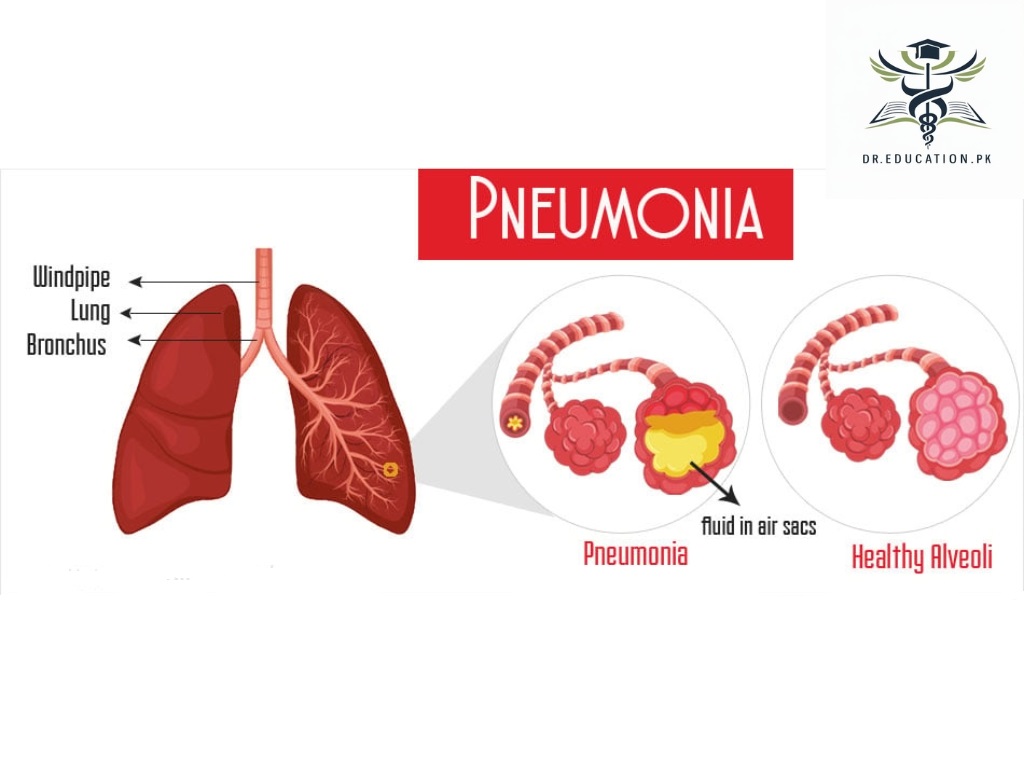
According to Wikipedia, Pneumonia is an inflammatory condition of the lung primarily affecting the small air sacs known as alveoli. Symptoms typically include some combination of productive or dry cough, chest pain, fever, and difficulty breathing. The severity of the condition is variable.
What is pneumonia?
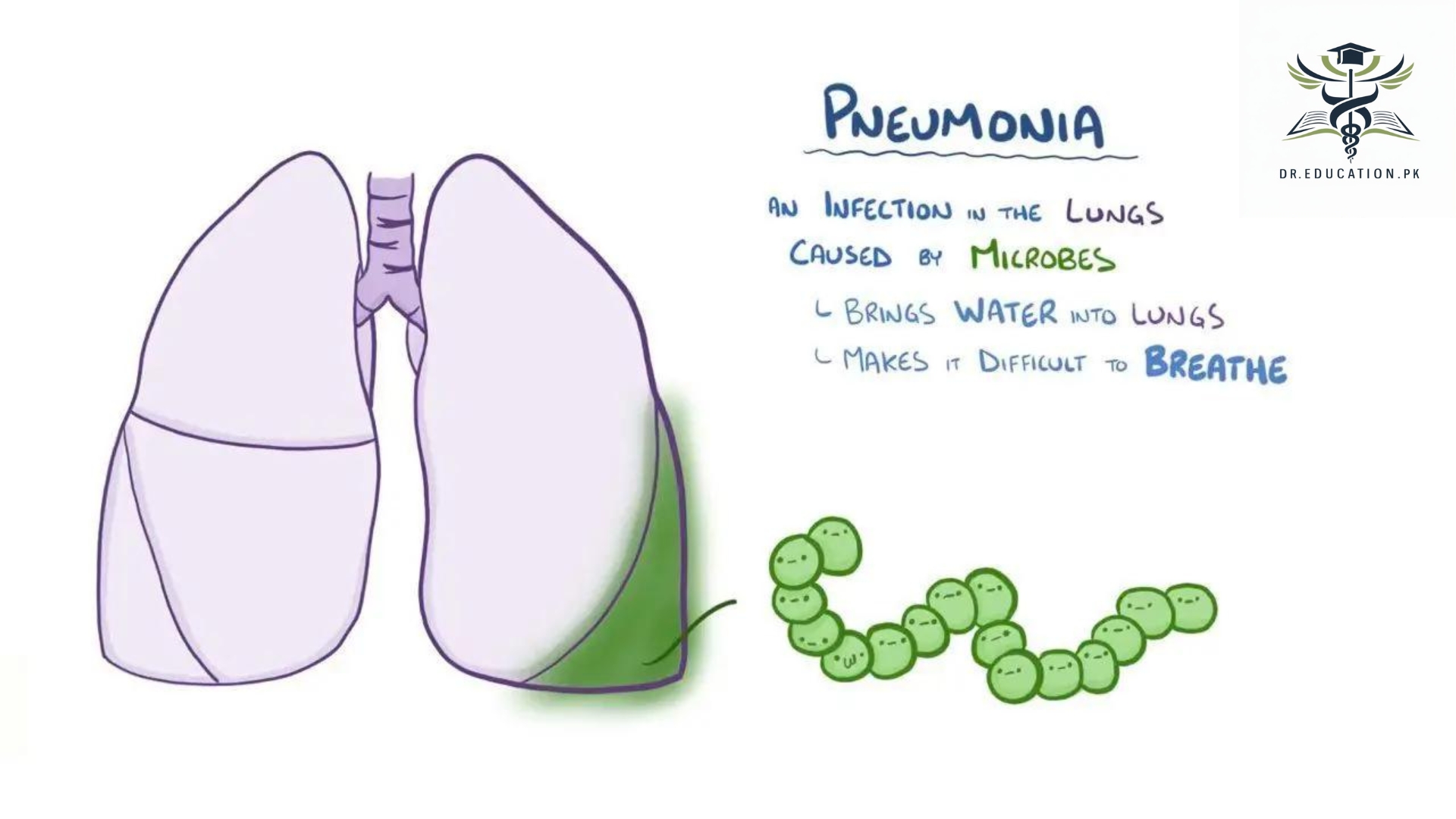
Pneumonia is an infection in your lungs caused by bacteria, viruses or fungi. Pneumonia causes your lung tissue to swell (inflammation) and can cause fluid or pus in your lungs. Bacterial pneumonia is usually more severe than viral pneumonia, which often resolves on its own.
Pneumonia can affect one or both lungs. Pneumonia in both of your lungs is called bilateral or double pneumonia.
What’s the difference between viral and bacterial pneumonia?
While all pneumonia is inflammation caused by an infection in your lungs, you may have different symptoms depending on whether the root cause is a virus, bacteria or fungi.
Bacterial pneumonia tends to be more common and more severe than viral pneumonia. It’s more likely to require a hospital stay. Providers treat bacterial pneumonia with antibiotics. Viral pneumonia causes flu-like symptoms and is more likely to resolve on its own. You usually don’t need specific treatment for viral pneumonia.
What causes pneumonia?
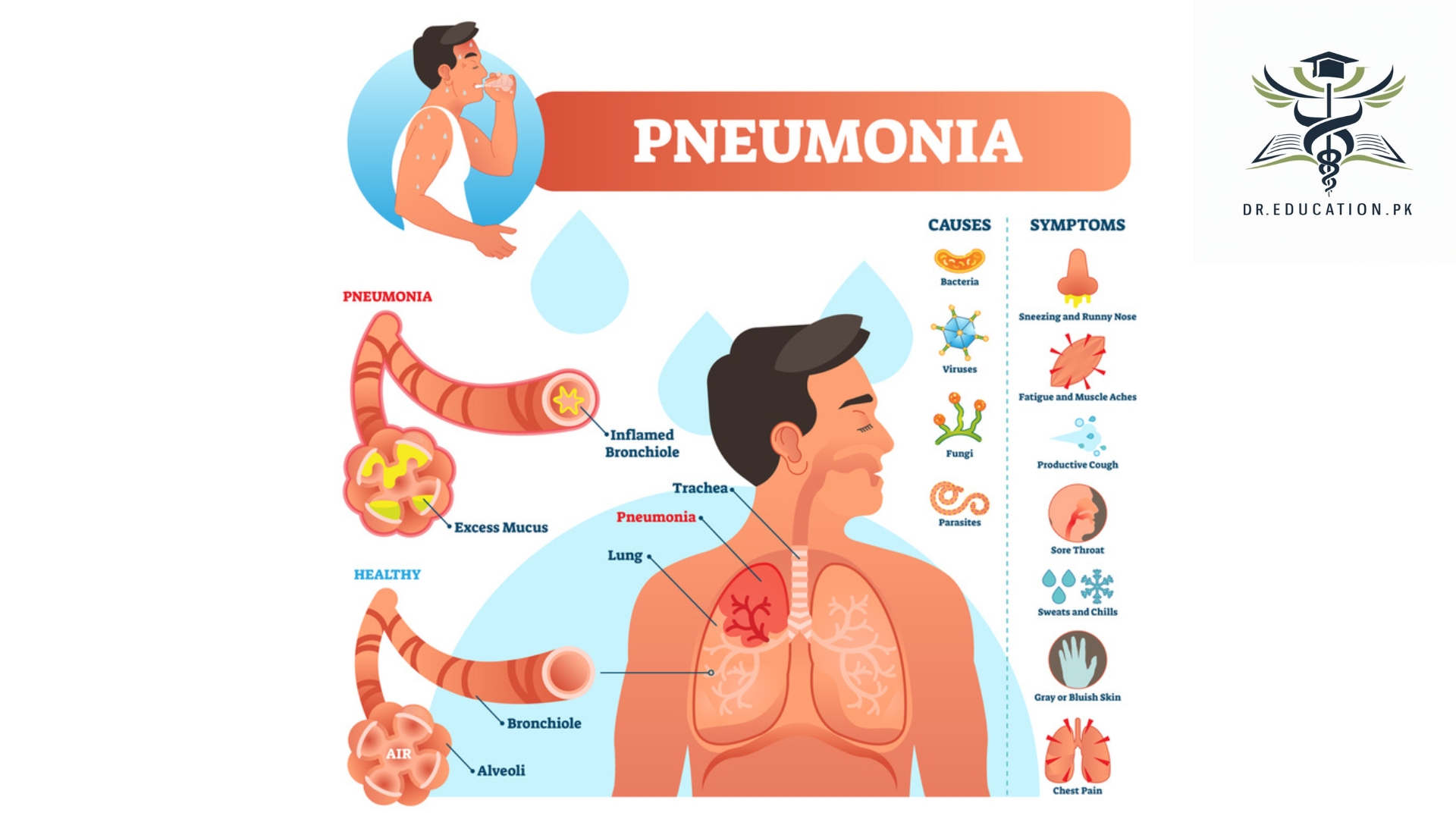
There are more than 30 different causes of pneumonia, and they’re grouped by the cause. The main types of pneumonia are:
- Bacterial pneumonia. This type is caused by various bacteria. The most common is Streptococcus pneumoniae. It usually occurs when the body is weakened in some way, such as by illness, poor nutrition, old age, or impaired immunity, and the bacteria are able to work their way into the lungs. Bacterial pneumonia can affect all ages, but you are at greater risk if you abuse alcohol, smoke cigarettes, are debilitated, have recently had surgery, have a respiratory disease or viral infection, or have a weakened immune system.
- Viral pneumonia. This type is caused by various viruses, including the flu (influenza), and is responsible for about one-third of all pneumonia cases. You may be more likely to get bacterial pneumonia if you have viral pneumonia.
- Mycoplasma pneumonia. This type has somewhat different symptoms and physical signs and is referred to as atypical pneumonia. It is caused by the bacterium Mycoplasma pneumoniae. It generally causes a mild, widespread pneumonia that affects all age groups.
- Other pneumonias. There are other less common pneumonias that may be caused by other infections including fungi.
Symptoms and Causes
What are the signs and symptoms of pneumonia?
Symptoms of pneumonia depend on the cause. Symptoms can range from mild to severe. Babies, young children and older adults may have different symptoms.
Symptoms of bacterial pneumonia
Symptoms of bacterial pneumonia can develop gradually or suddenly. Symptoms include:
- High fever (up to 105 F or 40.55 C).
- Cough with yellow, green or bloody mucus.
- Tiredness (fatigue).
- Rapid breathing.
- Shortness of breath.
- Rapid heart rate.
- Sweating or chills.
- Chest pain and/or abdominal pain, especially with coughing or deep breathing.
- Loss of appetite.
- Bluish skin, lips or nails (cyanosis).
- Confusion or altered mental state.
Symptoms of viral pneumonia
Symptoms of viral pneumonia usually develop over several days. You might have symptoms similar to bacterial pneumonia or you might additionally have:
- Dry cough.
- Headache.
- Muscle pain.
- Extreme tiredness or weakness.
Symptoms of pneumonia in young children
Babies and new-borns may not show any symptoms of pneumonia or their symptoms may be different from adults, including:
- Fever, chills, general discomfort, sweating/flushed skin.
- Cough.
- Difficulty breathing or rapid breathing (tachypnea).
- Loss of appetite.
- Vomiting.
- Lack of energy.
- Restlessness or fussiness.
Signs you can look for in babies and young children include:
- Grunting sound with breathing or noisy breathing.
- A decreased amount of pee or diapers that are less wet.
- Pale skin.
- Limpness.
- Crying more than usual.
- Difficulty feeding.
Symptoms of pneumonia in adults over 65
Adults over 65 or those with weakened immune systems may have mild or less noticeable symptoms of pneumonia (like cough and shortness of breath). Symptoms of ongoing health conditions may worsen. Older adults may experience:
- A sudden change in mental state.
- Low appetite.
- Fatigue.
Who is most at risk of getting pneumonia?
You’re at an increased risk of pneumonia if you:
- Are over the age of 65 and or under the age of 2.
- Are living with a lung or heart condition. Examples include cystic fibrosis, asthma, chronic obstructive pulmonary disease, emphysema, pulmonary fibrosis or sarcoidosis.
- Are living with a neurological condition that makes swallowing difficult. Conditions like dementia, Parkinson’s disease and stroke increase your risk of aspiration pneumonia.
- Are in the hospital or at a long-term care facility.
- Smoke.
- Are pregnant.
- Have a weakened immune system. You might have a weakened immune system if you’re on chemotherapy, are an organ transplant recipient, are living with HIV/AIDS or are taking medications that suppress your immune system.
How common is pneumonia?
Anyone can get pneumonia. It’s a common illness, with millions of people diagnosed each year in the United States. About 55,000 people die each year of pneumonia in the U.S. It’s the most common cause of death in developing countries.
How is pneumonia diagnosed?
Diagnosis is usually made based on your recent health history (such as surgery, a cold, or travel exposures) and the extent of the illness. Based on these factors, your healthcare provider may diagnose pneumonia simply on a thorough history and physical exam. The following tests may be used to confirm the diagnosis:
- Chest X-ray. This test takes pictures of internal tissues, bones, and organs, including the lungs.
- Blood tests. This test may be used to see whether infection is present and if infection has spread to the bloodstream (blood cultures). Arterial blood gas testing checks the amount of oxygen in your bloodstream.
- Sputum culture. This test is done on the material that is coughed up from the lungs and into the mouth. It’s often used to see if there’s an infection in the lungs.
- Pulse oximetry. An oximeter is a small machine that measures the amount of oxygen in the blood. A small sensor is taped or clipped onto a finger. When the machine is on, a small red light can be seen in the sensor. The test is painless and the red light does not get hot.
- Chest CT scan. This imaging procedure uses a combination of X-rays and computer technology to produce sharp, detailed horizontal, or axial, images (often called slices) of the body. A CT scan shows detailed images of any part of the body, including the bones, muscles, fat, and organs. CT scans are more detailed than regular X-rays.
- Bronchoscopy. This is direct exam of the bronchi (the main airways of the lungs) using a flexible tube (called a bronchoscope). It helps to evaluate and diagnose lung problems, assess blockages, and take out samples of tissue and/or fluid for testing,
- Pleural fluid culture. In this test, a sample of a fluid sample is taken from the pleural space. This is the space between the lungs and chest wall. A long, thin needle is put through the skin between the ribs and into the pleural space. Fluid is pulled into a syringe attached to the needle. It is sent to the lab where it’s tested to find out which bacteria is causing the pneumonia.
Management and Treatment
How is pneumonia treated?
Treatment for pneumonia depends on the cause — bacterial, viral or fungal — and how serious your case is. In many cases, the cause can’t be determined and treatment is focused on managing symptoms and making sure your condition doesn’t get worse.
Some treatments may include:
- Antibiotics: Antibiotics treat bacterial pneumonia. They can’t treat a virus but a provider may prescribe them if you have a bacterial infection at the same time as a virus.
- Antifungal medications: Antifungals can treat pneumonia caused by a fungal infection.
- Antiviral medications: Viral pneumonia usually isn’t treated with medication and can go away on its own. A provider may prescribe antivirals to reduce how long you’re sick and how sick you get from a virus.
- Oxygen therapy: If you’re not getting enough oxygen, a provider may give you extra oxygen through a tube in your nose or a mask on your face.
- IV fluids: Fluids delivered directly to your vein (IV) treat or prevent dehydration.
- Draining of fluids: If you have a lot of fluid between your lungs and chest wall (pleural effusion), a provider may drain it. This is done with a catheter or surgery.
READ BOOKS
Can pneumonia be prevented?
Check with your healthcare provider about getting immunizations. The flu is a common cause of pneumonia. Because of that, getting a flu shot every year can help prevent both the flu and pneumonia.
There is also a pneumococcal vaccine. It will protect you from a common form of bacterial pneumonia. Children younger than age 5 and adults ages 65 and older should get this shot.
The pneumococcal shot is also recommended for all children and adults who are at increased risk of pneumococcal disease due to other health conditions.
What are the complications of pneumonia?
Most people with pneumonia respond well to treatment, but pneumonia can be very serious and even deadly.
You are more likely to have complications if you are an older adult, a very young child, have a weakened immune system, or have a serious medical problem like diabetes or cirrhosis. Complications may include:
- Acute respiratory distress syndrome (ARDS). This is a severe form of respiratory failure.
- Lung abscesses. These are pockets of pus that form inside or around the lung. They may need to be drained with surgery
- Respiratory failure. This requires the use of a breathing machine or ventilator.
- Sepsis. This is when the infection gets into the blood. It may lead to organ failure.
Key points about pneumonia
- Pneumonia is an infection of one or both of the lungs caused by bacteria, viruses, or fungi.
- There are more than 30 different causes of pneumonia, and they’re grouped by the cause. The main types of pneumonia are bacterial, viral, and mycoplasma pneumonia.
- A cough that produces green, yellow, or bloody mucus is the most common symptom of pneumonia. Other symptoms include fever, shaking chills, shortness of breath, low energy, and extreme tiredness.
- Pneumonia can often be diagnosed with a thorough history and physical exam. Tests used to look at the lungs, blood tests, and tests done on the sputum you cough up may also be used.
- Treatment depends on the type of pneumonia you have. Antibiotics are used for bacterial pneumonia. It may also speed recovery from mycoplasma pneumonia and some special cases. Most viral pneumonias don’t have a specific treatment and just get better on their own. Other treatment may include a healthy diet, more fluids, rest, oxygen therapy, and medicine for pain, cough, and fever control.
- Most people with pneumonia respond well to treatment, but pneumonia can cause serious lung and infection problems. It can even be deadly.


