

What is Conjunctivitis?
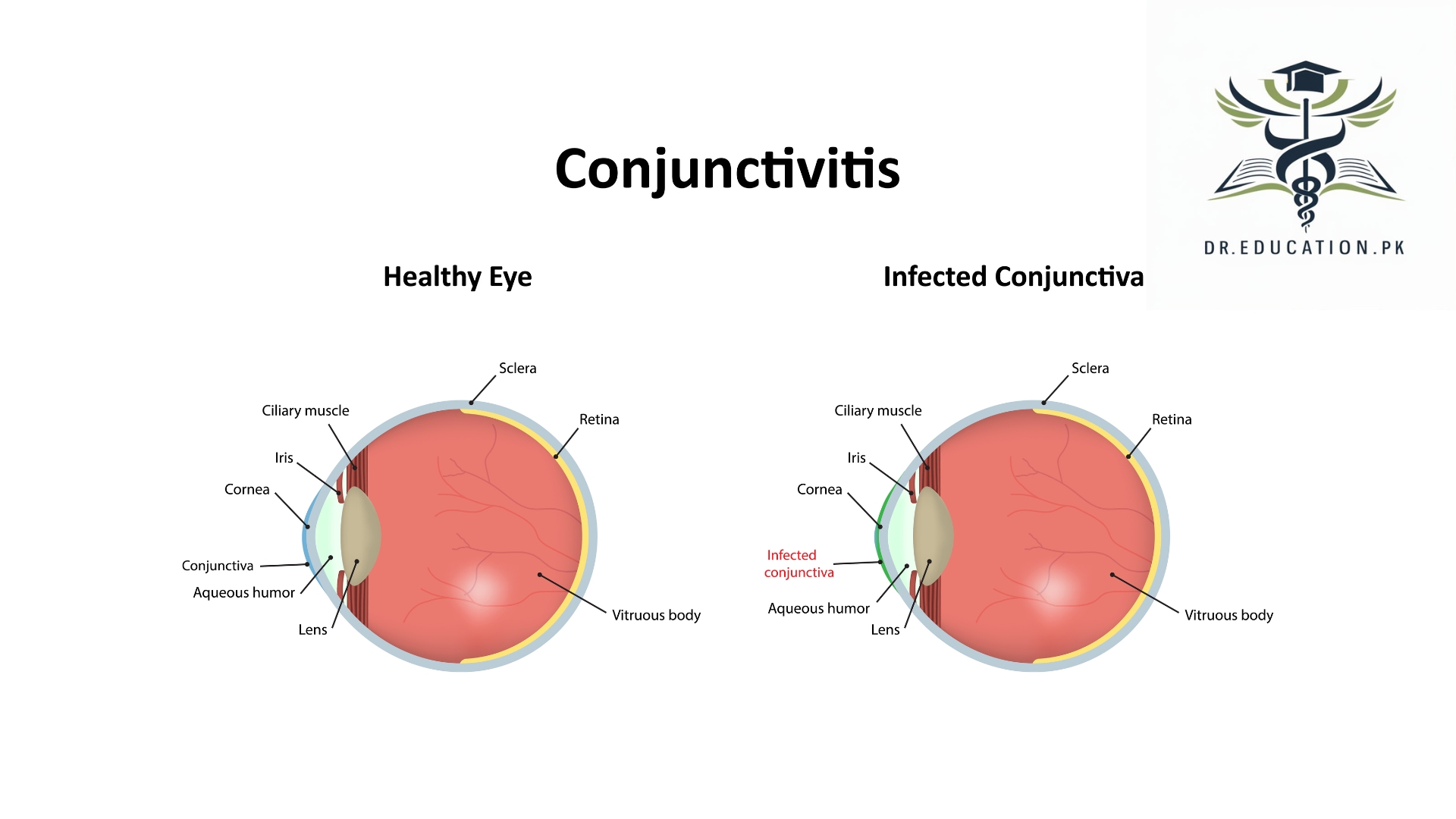
According to Wikipedia, Conjunctivitis, also known as pink eye, is inflammation of the outermost layer of the white part of the eye and the inner surface of the eyelid. It makes the eye appear pink or reddish. Pain, burning, scratchiness, or itchiness may occur. The affected eye may have increased tears or be “stuck shut” in the morning.
What is Conjunctivitis(Pink Eye)?
Pink eye is an inflammation of the transparent membrane that lines the eyelid and eyeball. This membrane is called the conjunctiva. When small blood vessels in the conjunctiva become swollen and irritated, they’re more visible. This is what causes the whites of the eyes to appear reddish or pink. Pink eye also is called conjunctivitis.
Pink eye is most often caused by a viral infection. It also can be caused by a bacterial infection, an allergic reaction or — in babies — an incompletely opened tear duct.
Though pink eye can be irritating, it rarely affects your vision. Treatments can help ease the discomfort of pink eye. Because pink eye can be contagious, getting an early diagnosis and taking certain precautions can help limit its spread.
How common is pink eye?
Between 15% and 40% of people experience allergic conjunctivitis because of seasonal allergies. Other types of conjunctivitis are more common in different age groups and/or at certain times of the year. It’s similar to how the common cold and flu are more common during winter months.
What does pink eye look like?
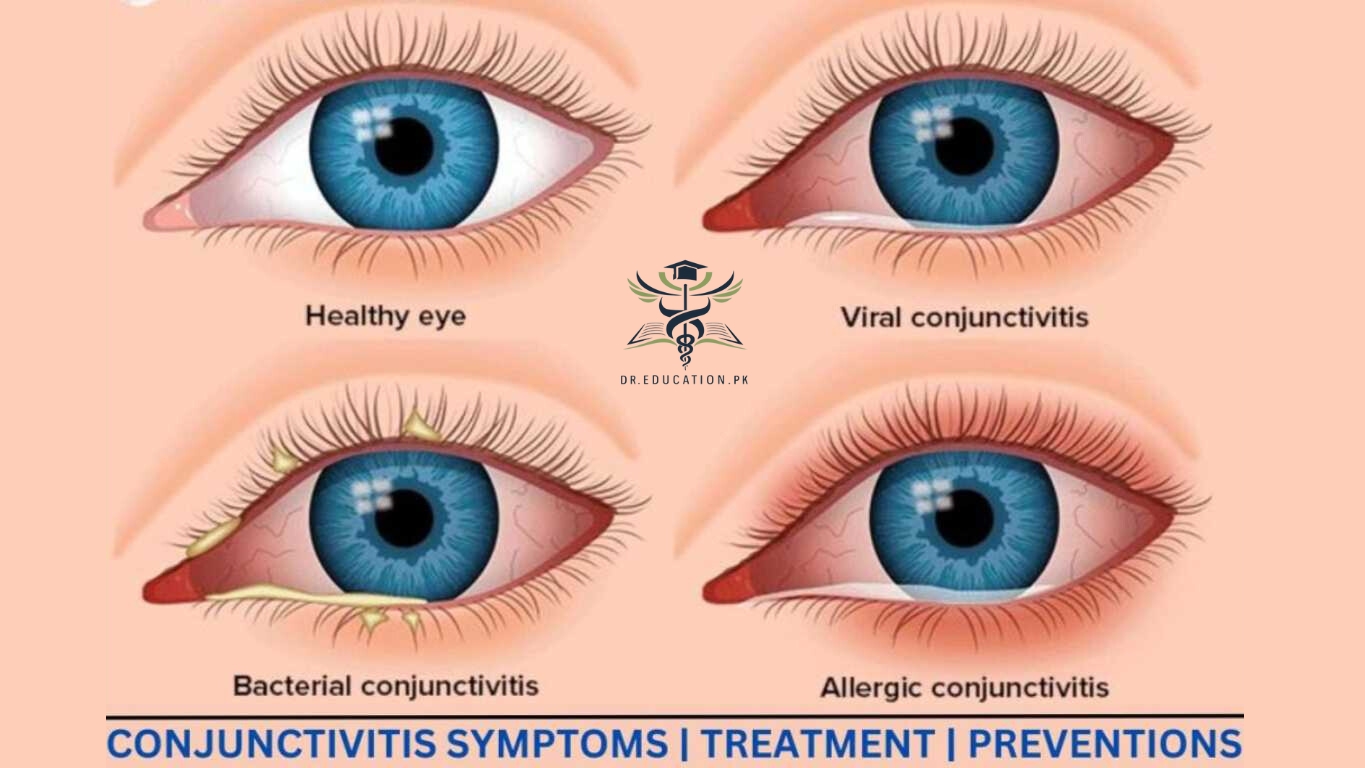
Just like the name sounds, pink eye can make the sclera of your eye look pink or reddish instead of white. It can also make your eyelids look puffy or droopy, and it’s common to have fluid (discharge) coming from your infected eye.
Symptoms
The most common pink eye symptoms include:
- Redness in one or both eyes.
- Itchiness in one or both eyes.
- A gritty feeling in one or both eyes.
- A discharge in one or both eyes that forms a crust during the night that may prevent your eye or eyes from opening in the morning.
- Tearing.
Sensitivity to light, called photophobia.
Causes
Causes of pink eye include:
- Viruses.
- Bacteria.
- Allergies.
- A chemical splash in the eye.
- A foreign object in the eye.
- In new-borns, a blocked tear duct.
Viral and bacterial conjunctivitis
Most cases of pink eye are caused by adenovirus but also can be caused by other viruses, including herpes simplex virus and varicella-zoster virus.
Both viral and bacterial conjunctivitis can occur along with colds or symptoms of a respiratory infection, such as a sore throat. Wearing contact lenses that aren’t cleaned properly or aren’t your own can cause bacterial conjunctivitis.
Both types are very contagious. They are spread through direct or indirect contact with the liquid that drains from the eye of someone who’s infected. One or both eyes may be affected.
Allergic conjunctivitis
Allergic conjunctivitis affects both eyes and is a response to an allergy-causing substance such as pollen. In response to allergens, your body produces an antibody called immunoglobulin E (IgE). IgE triggers special cells in the mucous lining of your eyes and airways to release inflammatory substances, including histamines. Your body’s release of histamine can produce a number of allergy symptoms, including red or pink eyes.
If you have allergic conjunctivitis, you may experience intense itching, tearing and inflammation of the eyes — as well as sneezing and watery nasal discharge. Most allergic conjunctivitis can be controlled with allergy eye drops. Allergic conjunctivitis is not contagious.
Conjunctivitis resulting from irritation
Irritation from a chemical splash or foreign object in your eye also is associated with conjunctivitis. Sometimes flushing and cleaning the eye to wash out the chemical or object causes redness and irritation. Symptoms, which may include watery eyes and a mucous discharge, usually clear up on their own within about a day.
If flushing doesn’t resolve the symptoms, or if the chemical is a caustic one such as lye, see your health care provider or eye specialist as soon as possible. A chemical splash into the eye can cause permanent eye damage. Ongoing symptoms could indicate that you still have the foreign body in your eye. Or you also could have a scratch on the cornea or the membrane covering the eyeball, called the conjunctiva.
What are the risk factors for conjunctivitis?
There are many possible risk factors for conjunctivitis, including:
- Hand hygiene. Conjunctivitis can easily spread from your hands to your face. If you aren’t washing or sanitizing your hands frequently, you might be more likely to develop this condition.
- Age. Viral conjunctivitis is common in adults and children, while bacterial conjunctivitis is far more likely in children under age 4. There’s also a higher risk for people in their 20s, but experts aren’t certain why.
- Time of year. Allergic conjunctivitis is much more common in spring and summer. Infectious forms of conjunctivitis are also more common during cold and flu season.
- Medical history. Having seasonal allergies or allergy-related conditions like eczema or atopic dermatitis can make you more likely to develop conjunctivitis.
- Sharing personal items. The contagious forms of conjunctivitis spread easily on certain objects, especially eye-related items like cosmetics and contact lens containers. The contagious forms can also spread easily on cloth, like washcloths, towels and pillowcases.
What are the complications of pink eye?
Pink eye usually isn’t a dangerous condition, and many cases — especially less serious cases — go away on their own as your immune system handles the infection. But some types of pink eye won’t go away and need treatment.
Though they aren’t common, conjunctivitis complications can sometimes cause permanent eye damage and even blindness if they go too long without treatment. Complications like this include:
- Trachoma.
- Uveitis.
- Corneal inflammation (keratitis) and cornea-conjunctiva inflammation (keratoconjunctivitis).
- More severe corneal diseases, especially corneal ulcers and recurrent corneal erosions.
Because of the risk of permanent damage, you shouldn’t ignore pink eye symptoms if they’re still getting worse after more than a few days.
Prevention
Preventing the spread of pink eye
Practice good hygiene to control the spread of pink eye. For instance:
- Don’t touch your eyes with your hands.
- Wash your hands often.
- Use a clean towel and washcloth daily.
- Don’t share towels or washcloths.
- Change your pillowcases often.
- Throw away old eye cosmetics, such as mascara.
- Don’t share eye cosmetics or personal eye care items.
Keep in mind that pink eye is no more contagious than the common cold. It’s okay to return to work, school or child care if you’re able to practice good hygiene and avoid close contact. However, if work, school or child care involves close contact with others it may be best to stay home until you or your child’s symptoms clear up.
Preventing pink eye in new-borns
New-borns’ eyes are susceptible to bacteria present in the mother’s birth canal. These bacteria often cause no symptoms in the mother. In some cases, these bacteria can cause infants to develop a serious form of conjunctivitis known as ophthalmia neonatorum, which needs immediate treatment to preserve sight. That’s why shortly after birth, an antibiotic ointment is applied to every new-born’s eyes. The ointment helps prevent eye infection.
Diagnosis and Tests
How is pink eye diagnosed?
Eye care specialists usually aren’t the ones to diagnose conjunctivitis. Instead, 80% of diagnoses come from primary care providers and paediatricians. Urgent care and emergency room providers also diagnose many cases.
Providers may also recommend taking a swab to test for bacterial infections. To do that, they’ll use a soft-tipped swab to collect some of the fluid oozing from your eye for lab testing. Your provider can use the results to guide your treatment.
In the following days or weeks, your provider may recommend that you have a follow-up visit with an eye care specialist to check on how your eye is healing and adjust your treatment if necessary.
Treatment
How is pink eye treated, and is there a cure?
Pink eye is treatable, regardless of the cause. Some treatments are more specific, while others help many types of pink eye or its most common symptoms.
Most pink eye treatments are medications. Many of these focus on treating the symptoms of pink eye, regardless of the type causing them. These medications usually include corticosteroids or nonsteroidal anti-inflammatory drugs (NSAIDs).
The medications for the different types of conjunctivitis also include:
- Bacterial conjunctivitis: Antibiotics (eye drops, ointments or pills) treat bacterial conjunctivitis.
- Viral conjunctivitis: Pink eye from viruses doesn’t need treatment unless the virus causing it is herpes simplex, varicella-zoster (chickenpox/shingles) or an STI. These viral infections need antiviral drugs because viral pink eye can cause permanent damage and vision loss without treatment.
- Fungal/parasitic conjunctivitis: Antifungal and antiparasitic drugs are often the main treatment for these forms of pink eye.
- Immune-related conjunctivitis: These medications limit the damage your immune system can cause to your eye tissues.
- Allergic conjunctivitis: If allergies cause your pink eye, prescription or over-the-counter (OTC) antihistamines and decongestants are often the first treatments a provider will recommend.
- Irritant-related conjunctivitis: If an irritating substance is behind your conjunctivitis, the first step is to flush (rinse) your eyes with plenty of warm water for five minutes. If it’s a strong acid or alkaline substance (like drain cleaner), flush your eyes the same way and then get immediate emergency medical attention. Eye injuries from stronger toxic substances are medical emergencies.
It’s important to remember that antibiotics only treat bacterial infections. They don’t help viral or allergic pink eye. And if your provider prescribes antibiotics, take them exactly as prescribed until you finish them. Don’t stop taking them once you start feeling better, or the infection could get worse again.
Non-medication treatments
There are other treatments your provider or eye specialist may recommend other than medications. These vary widely, but some of the more common ones include:
- Over-the-counter lubricating eye drops. These are often known as “artificial tears.”
- Warm or cool compresses. You can also use a wet washcloth to clean away any crusting or build-up if your eyelids are sticking together.
Depending on your condition and situation, your provider or eye specialist may recommend other treatments, too. It’s a good idea to ask them about your options because they can provide the most relevant information for your case.
Lifestyle and home remedies
To help you cope with the symptoms of pink eye until it goes away, try to:
- Apply a compress to your eyes. To make a compress, soak a clean, lint-free cloth in water and wring it out before applying it gently to your closed eyelids. Generally, a cool water compress will feel the most soothing, but you also can use a warm compress if that feels better to you. If pink eye affects only one eye, don’t touch both eyes with the same cloth. This reduces the risk of spreading pink eye from one eye to the other.
- Try eye drops. Non-prescription eye drops called artificial tears may relieve symptoms. Some eyedrops contain antihistamines or other medicines that can be helpful for people with allergic conjunctivitis.
- Stop wearing contact lenses. If you wear contact lenses, you may need to stop wearing them until your eyes feel better. How long you’ll need to go without contact lenses depends on what’s causing your conjunctivitis. Ask your health care provider whether you should throw away your disposable contacts, as well as your cleaning solution and lens case. If your lenses aren’t disposable, clean them thoroughly before reusing them.
Outlook / Prognosis
What can I expect if I have pink eye?
The outlook for pink eye is generally good, especially when treated as needed. Milder cases often go away on their own with no treatment.
If you notice treatments aren’t working to help your pink eye, call the provider treating you. They may be able to adjust your treatment to better help you.
How long does pink eye last?
Pink eye can have different expected timelines, depending on the type you have. Allergy-related pink eye lasts as long you’re around the allergen causing the reaction. Bacterial infections last up to 10 days (and fewer when treated). Viral infections typically last up to two weeks, but some may last longer in rare cases.
If you suspect you have pink eye and it keeps worsening after a few days, it’s a good idea to see a primary care provider or go to urgent care.
When can I (or my child) return to work, school, etc.?
You or your child can usually go back to day-care, school or work as soon as symptoms go away. This might be as soon as 24 hours after antibiotic treatment for a bacterial infection and between two and seven days after a viral infection.
Being symptom-free means you don’t have:
- Yellowish discharge.
- Crusting on your eyelashes or in the corners of your eyes.
- Pink color.
Be sure to check with your healthcare provider about when it’s safe to return. If an allergy or something else that’s not contagious caused your pink eye, you don’t need to stay home.


