
Shortness of Breath (SOB)
Shortness of breath, or breathlessness, is described as the frightening sensation of being unable to breathe normally or feeling suffocated.
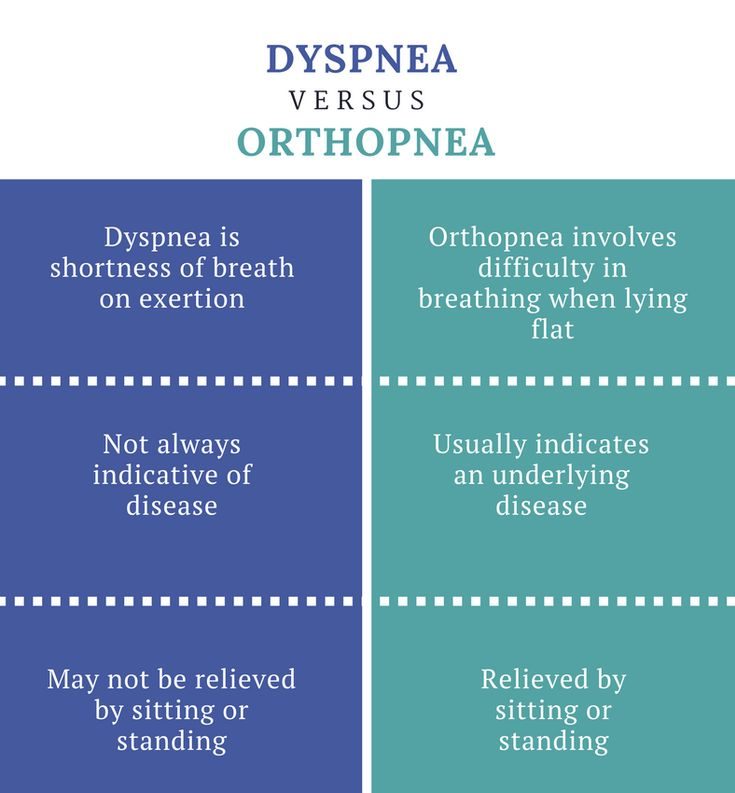
The medical term for shortness of breath is dyspnea.
It’s a common feeling that may be the result of being out of shape but could also be a sign of serious disease
CAUSES
Most cases of shortness of breath are due to heart or lung conditions. Your heart and lungs are involved in transporting oxygen to your tissues and removing carbon dioxide, and problems with either of these processes affect your breathing.
Shortness of breath that comes on suddenly (called acute) has a limited number of causes, including:
- Asthma
- Anaphylaxis
- Cardiac tamponade (excess fluid around the heart)
- Carbon monoxide poisoning
- Coronavirus disease 2019 (COVID-19)
- COPD (chronic obstructive pulmonary disease) — the blanket term for a group of diseases that block airflow from the lungs — including emphysema.)
- Heart failure
- Heart attack
- Heart arrhythmia (heart rhythm problems)
- Pulmonary embolism — a blood clot in an artery in the lung.
- Pneumonia (and other pulmonary infections)
- Pneumothorax — collapsed lung.
- Sudden blood loss
- Upper airway obstruction (blockage in the breathing passage)
In the case of shortness of breath that has lasted for weeks or longer (called chronic), the condition is most often due to:
- Pleural effusion (accumulation of fluid around the lungs)
- Asthma — a long-term condition that affects airways in the lungs.
- COPD (chronic obstructive pulmonary disease) — the blanket term for a group of diseases that block airflow from the lungs — including emphysema.
- Obesity
- Deconditioning
- Heart dysfunction
- Interstitial lung disease — the blanket term for a large group of conditions that scar the lungs.
A number of other health conditions also can make it hard to get enough air. These include:
Lung problems
- Pulmonary oedema — excess fluid in the lungs.
- Pulmonary hypertension
- Croup (especially in young children)
- Lung cancer
- Tuberculosis
- Pleurisy (inflammation of the membrane surrounding the lungs)
- Pulmonary fibrosis — a disease that happens when lung tissue becomes damaged and scarred.
- Sarcoidosis
Heart problems
- Cardiomyopathy (problem with the heart muscle)
- Heart failure
- Pericarditis (inflammation of the tissue around the heart)
Other problems
- Anxiety disorders
- Anaemia — a condition in which the body doesn’t get oxygen due to a lack of healthy red blood cells.
- Broken ribs
- Myasthenia gravis (a condition causing muscle weakness)
- Choking
- Epiglottitis (swelling of the “lid” of your windpipe)
- Foreign object inhaled
- Guillain-Barre syndrome
- Kyphoscoliosis (a chest wall deformity)
When to see a doctor
Seek emergency medical care
Call 911 or your local emergency number or have someone drive you to the emergency room if you experience severe shortness of breath that comes on suddenly and affects your ability to function. Seek emergency medical care if your shortness of breath is accompanied by chest pain, fainting, nausea, a bluish tinge to lips or nails, or a change in mental alertness — as these may be signs of a heart attack or pulmonary embolism.
Make a doctor’s appointment
Make an appointment with your doctor if your shortness of breath is accompanied by:
- Swelling in your feet and ankles
- Trouble breathing when you lie flat
- High fever, chills and cough
- Wheezing
- Worsening of pre-existing shortness of breath
Self-care
To help keep chronic shortness of breath from getting worse:
- Stop smoking. Quit smoking, or don’t start. Smoking is the leading cause of COPD. If you have COPD, quitting can slow the progression of the disease and prevent complications.
- Avoid exposure to pollutants. As much as possible, avoid breathing allergens and environmental toxins, such as chemical fumes or second-hand smoke.
- Avoid extremes in temperature. Activity in very hot and humid or very cold conditions may magnify the dyspnea caused by chronic lung diseases.
- Have an action plan. If you have a medical condition that causes shortness of breath, discuss with your doctor what to do if your symptoms become worse.
- Keep elevation in mind. When traveling to areas with higher altitude, take time to adjust and avoid exertion until then.
- Exercise regularly. Exercise can help improve physical fitness and the ability to tolerate activity. Exercise — along with weight loss if you’re overweight — may help decrease any contribution to shortness of breath from deconditioning. Talk to your doctor before starting an exercise program.
- Take your medications. Skipping medications for chronic lung and cardiac conditions can lead to poorer control of dyspnea.
- Regularly check your equipment. If you rely on supplemental oxygen, be sure your supply is adequate and the equipment works properly.
Here are nine home treatments that may help with shortness of breath:
Pursed-lip breathing
Pursed-lip breathing can help with shortness of breath due to panic, COPD, or hyperventilation. It helps quickly slow-Trusted Source your pace of breathing, making each breath deeper and more effective.
But if you’re very short of breath after exercising, you should seek medical help.
Pursed breathing helps empty the lungs of dead space air that occurs in COPD and releases trapped air. You can use it any time you’re experiencing shortness of breath, especially during the difficult part of an activity, like bending, lifting objects, or climbing stairs.
To perform pursed lip breathing:
- Relax your neck and shoulder muscles.
- Slowly breathe in through your nose for two counts, keeping your mouth closed.
- Purse your lips as if you’re about to whistle.
- Breathe out slowly and gently through your pursed lips to the count of four.
Sitting forward
Resting while sitting can help relax your body and make breathing easier.
- Sit in a chair with your feet flat on the floor, leaning your chest slightly forward.
- Gently rest your elbows on your knees or hold your chin with your hands. Remember to keep your neck and shoulder muscles relaxed.
This position is a form of “tripod stance,” which aims to create more space in the chest cavity for the lungs. It’s helpful if you have COPD, and you may find you do it without thinking about it. It’s not suitable for people with high levels of obesity.
Sitting forward supported by a table
If you have a chair and a table, you may find this a slightly more comfortable sitting position to catch your breath.
- Sit in a chair facing a table with your feet flat on the floor.
- Lean your chest slightly forward and rest your arms on the table.
- Rest your head on your forearms or a pillow.
This position is another form of tripod breathing, which creates more space for the lungs in the chest.
Standing with supported back
Standing can also help relax your body and airways.
- Stand near a wall, facing away, and rest your hips on the wall.
- Keep your feet shoulder-width apart and rest your hands on your thighs.
- With your shoulders relaxed, lean slightly forward and dangle your arms in front of you.
As with other forms of tripod breathing mentioned above, this position makes more space in the chest for your lungs.
Standing with supported arms
- Stand near a table or other flat, sturdy piece of furniture just below your shoulder’s height.
- Rest your elbows or hands on the piece of furniture, keeping your neck relaxed.
- Rest your head on your forearms and relax your shoulders.
In the classic “tripod” position, you can do this by placing a cane on the floor in front of you and leaning on it with both hands.
Sleeping in a relaxed position
People with sleep apnea experience shortness of breath while they sleep. This can lead to frequent waking up, diminishing the quality and duration of sleep.
Try lying on your side with a pillow between your legs and your head elevated by pillows, keeping your back straight.
Positional therapy for obstructive sleep apnea can help Trusted Source you learn positions that help your body and airways relax, making breathing easier. Have your doctor assess you for sleep apnea and, if recommended, use a CPAP machine.
Diaphragmatic breathing
Diaphragmatic breathing can also help manage shortness of breath.
To try this breathing style:
- Sit in a chair with bent knees and relaxed shoulders, head, and neck.
- Place your hand on your belly.
- Breathe in slowly through your nose. You should feel your belly moving under your hand.
- As you exhale, tighten your muscles. You should feel your belly fall inward. Breathe out through your mouth with pursed lips.
- Put more emphasis on the exhale than the inhale. Keep exhaling for longer than usual before slowly inhaling again.
- Repeat for about 5 minutes.
A 2019 study found that combining these breathing strategies helped expand chest volume in people with COPD and reduced the number of breaths they needed to take.
Using a fan
Various experts Trusted Source recommend using a fan to blow cool air and help relieve shortness of breath, and some research supports this. Pointing a small handheld fan toward your face may help your symptoms.
Findings published in 2018 found using a fan helped people who had difficulty breathing due to late-stage cancer.
Lifestyle changes to treat shortness of breath
If you know why you have difficulty breathing and your symptoms are mild, you may be able to take steps to relieve it at home.
Lifestyle changes you can make to help keep shortness of breath at bay include:
- quitting smoking, if you smoke, and avoiding tobacco smoke
- avoiding exposure to pollutants, allergens, and environmental toxins
- managing body weight
- avoiding exertion at high elevations
- staying healthy through dietary choices, exercise, and getting enough sleep
- seeing a doctor for any underlying medical issues
- getting vaccinations to prevent flu, COVID-19, and other diseases
- following the recommended treatment plan for any underlying illness like asthma, COPD, or bronchitis
Remember, only a doctor can properly diagnose the cause of your shortness of breath.
Other Medication
If you talk with a doctor about shortness of breath, they typically test you for underlying health conditions that may be causing the problem. If they identify a specific cause, they can recommend suitable treatment.
Medications for shortness of breath
Medications for breathlessness include:
- inhaled medications that help open the airways
- drugs to treat specific conditions
- pills or liquids to help reduce sputum and clear the lungs
- drugs to manage allergies
- treatment for a heart condition
Pulmonary rehabilitation
Some people with lung conditions may benefit from pulmonary rehabilitation, a form of therapy in which a therapist teaches them how to manage breathlessness. Therapists can also advise on lifestyle choices like boosting fitness levels and quitting smoking, if appropriate.
Pulmonary rehabilitation can help you manage your breathing and may improve your overall well-being and quality of life.
Counselling
Counselling like cognitive behavioural therapy (CBT) might be suitable for some people with shortness of breath.
You might benefit from this approach if you:
- have a chronic lung disease that is causing your stress or anxiety
- have depression alongside or because of another condition
- have a panic or anxiety disorder
- wish to stop using tobacco but are finding it hard
CBT can help you find new ways to face stressful situations like breathlessness. This type of therapy can also help address some factors that cause or worsen breathlessness. A doctor might recommend it alongside pulmonary rehabilitation.
Oxygen
People with severe breathing problems may need oxygen. Doctors can provide oxygen in the hospital, but some people use it at home. Never use oxygen at home unless a doctor advises it, and always follow the instructions when doing so.


