
What is Cardiomyopathy?
According to Wikipedia, Cardiomyopathy is a group of primary diseases of the heart muscle. Early on there may be few or no symptoms. As the disease worsens, shortness of breath, feeling tired, and swelling of the legs may occur, due to the onset of heart failure. An irregular heart beat and fainting may occur. Those affected are at an increased risk of sudden cardiac death.
Any disorder that affects the heart muscle is called a cardiomyopathy. Cardiomyopathy causes the heart to lose its ability to pump blood well. In some cases, the heart rhythm also becomes disturbed. This leads to arrhythmias (irregular heartbeats). There are many causes of cardiomyopathy, including:
- Alcohol abuse
- High blood pressure
- Coronary artery disease
- Viral infections
- Certain medicines
Often, the exact cause of the muscle disease is never found.
How does cardiomyopathy differ from other heart disorders?
Cardiomyopathy differs from many of the other disorders of the heart in several ways, including:
- Cardiomyopathy can occur in young people.
- The condition tends to be progressive. Sometimes it worsens fairly quickly.
- It may be associated with diseases involving other organs, as well as the heart.
- Dilated cardiomyopathy is a leading cause for a heart transplant.
- It is often the result of gradual changes of heart structure over time
What causes cardiomyopathy?
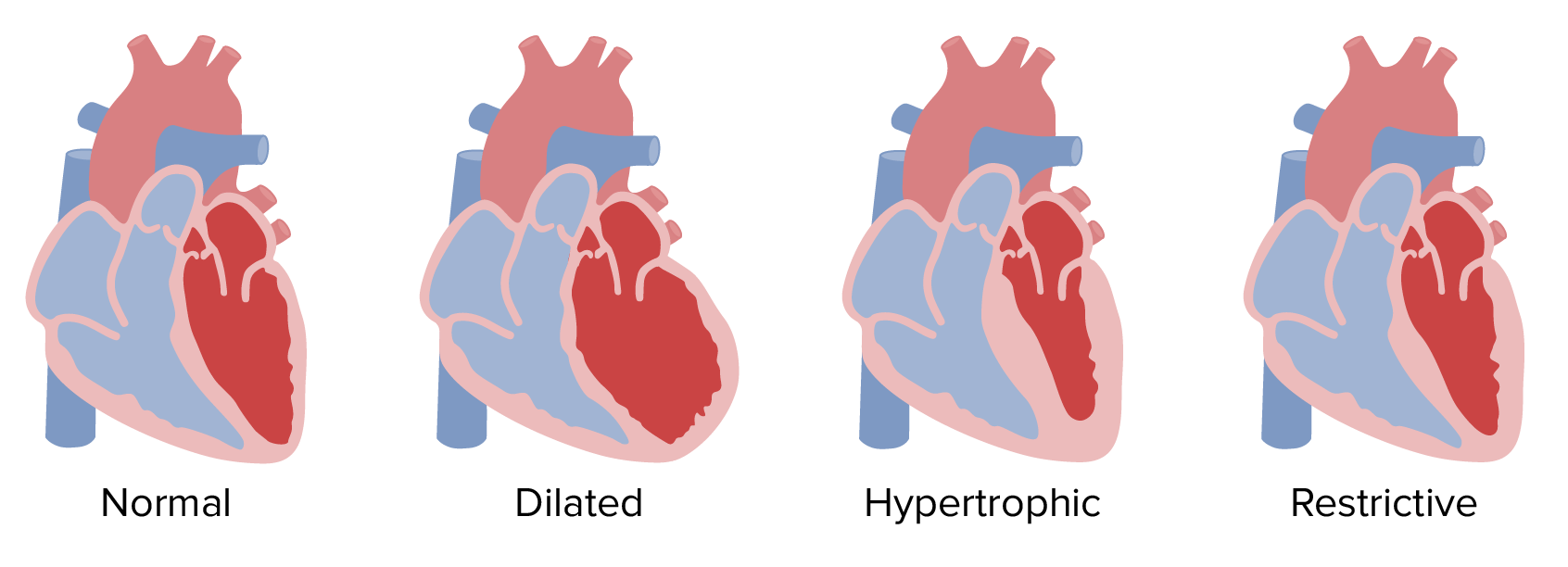
Viral infections in the heart are a major cause of cardiomyopathy. In some cases, another disease or its treatment causes cardiomyopathy. This might include complex congenital (present at birth) heart disease, nutritional deficiencies, uncontrollable, fast heart rhythms, or certain types of chemotherapy for cancer. Sometimes, cardiomyopathy can be linked to a genetic defect. Other times, the cause is unknown. Three types of cardiomyopathy typically affect adults. They are:
- Hypertrophic cardiomyopathy
- Dilated cardiomyopathy
- Restrictive cardiomyopathy
What is hypertrophic cardiomyopathy?
Hypertrophic cardiomyopathy occurs when the muscle of the left ventricle thickens. This can block blood flow to the rest of the body. Hypertrophic cardiomyopathy can affect the heart’s mitral valve, causing blood to leak backward through the valve.
- This is a rare disease and in most cases is inherited.
- It can affect men and women of all ages. Symptoms can appear in childhood or adulthood.
- Symptoms include shortness of breath on exertion, dizziness, fainting, and chest pain (angina).
- Some people have arrhythmias, which may lead to sudden death.
What is dilated cardiomyopathy?
Dilated cardiomyopathy is the most frequent form of cardiomyopathy. The cavity of the heart is enlarged and stretched, compromising the heart’s ability to pump normally and relax appropriately:
- This occurs most often in adults ages 20 to 60. It is more common in men than women, but has been diagnosed in people of all ages, including children.
- Most people eventually develop heart failure.
- Dilated cardiomyopathy can be caused by chronic, heavy alcohol use and nutritional deficiencies tied to alcoholism.
- It sometimes occurs as a complication of pregnancy and childbirth.
- Other possible causes include: alcohol abuse, infections, and illicit drugs. Rarely, it is inherited. Sometimes medicines used to treat a different medical condition can damage the heart and cause dilated cardiomyopathy. However, in most cases, a specific cause is never found.
What is restrictive cardiomyopathy?
Restrictive cardiomyopathy occurs when the heart muscle becomes stiff and not able to fill with blood properly. It’s the least common type of cardiomyopathy in the U.S.
- It often occurs due to an underlying problem, such as amyloidosis, hemochromatosis, scleroderma, or sarcoidosis.
- Restrictive cardiomyopathy does not appear to be inherited, but some of the diseases that lead to the condition are inherited.
- Symptoms may include fatigue, swelling of the arms and legs, and trouble breathing on exertion.
What is arrhythmogenic right ventricular dysplasia?
ARVD is a rare type of cardiomyopathy that occurs if the muscle tissue in the right ventricle dies and is replaced by fat or scar tissue:
- This process disrupts the heart’s electrical system, causing arrhythmias.
- It usually affects teens and young adults.
- Symptoms include heart palpitations and fainting after physical activity.
- It can cause sudden cardiac arrest in young athletes.
- It may require implantation of a device to prevent death from an arrhythmia
Treatment
The treatment of cardiomyopathy depends on its type, severity, and underlying causes. The main goals of treatment are to manage symptoms, prevent complications, and improve heart function. Here are common treatment approaches:
1. Medications
- Beta-blockers: Help reduce heart rate, blood pressure, and improve heart function.
- ACE inhibitors or ARBs: Relax blood vessels, making it easier for the heart to pump.
- Diuretics: Help reduce fluid build-up in the body (edema) by increasing urine production.
- Aldosterone antagonists: Reduce fluid retention and control blood pressure.
- Anticoagulants: Prevent blood clots in those at risk of stroke or heart attacks.
- Anti-arrhythmics: Control irregular heartbeats (arrhythmias).
2. Lifestyle Changes
- Diet and Exercise: Low-sodium diets, heart-healthy foods, and regular physical activity can support heart function.
- Weight Management: Maintaining a healthy weight reduces strain on the heart.
- Avoid Alcohol and Smoking: These can worsen heart conditions.
- Stress Management: Reducing stress through relaxation techniques helps lower strain on the heart.
3. Implantable Devices
- Pacemaker: Helps regulate abnormal heart rhythms.
- Implantable Cardioverter Defibrillator (ICD): Prevents sudden cardiac death by delivering shocks to correct life-threatening arrhythmias.
- Left Ventricular Assist Device (LVAD): A mechanical pump that helps the heart in cases of severe heart failure, often used as a bridge to heart transplantation.
4. Surgical Interventions
- Septal Myectomy: In hypertrophic cardiomyopathy, surgery may be performed to remove part of the thickened heart muscle.
- Heart Transplant: In advanced cases of heart failure or cardiomyopathy unresponsive to other treatments, a heart transplant may be required.
5. Lifestyle and Risk Factor Management
- Controlling high blood pressure, diabetes, and cholesterol levels is crucial in managing cardiomyopathy.
The specific treatment depends on the type of cardiomyopathy, so it’s important for patients to be closely monitored by a cardiologist to adjust their treatment plan as needed.