Heart Attack
A heart attack, or myocardial infarction (MI), occurs when blood flow to a part of the heart is blocked for a long enough period that part of the heart muscle is damaged or dies. This blockage is usually caused by a build-up of fat, cholesterol, and other substances that form a plaque in the coronary arteries, which supply blood to the heart. This process is called atherosclerosis.
Overview
What is a heart attack?
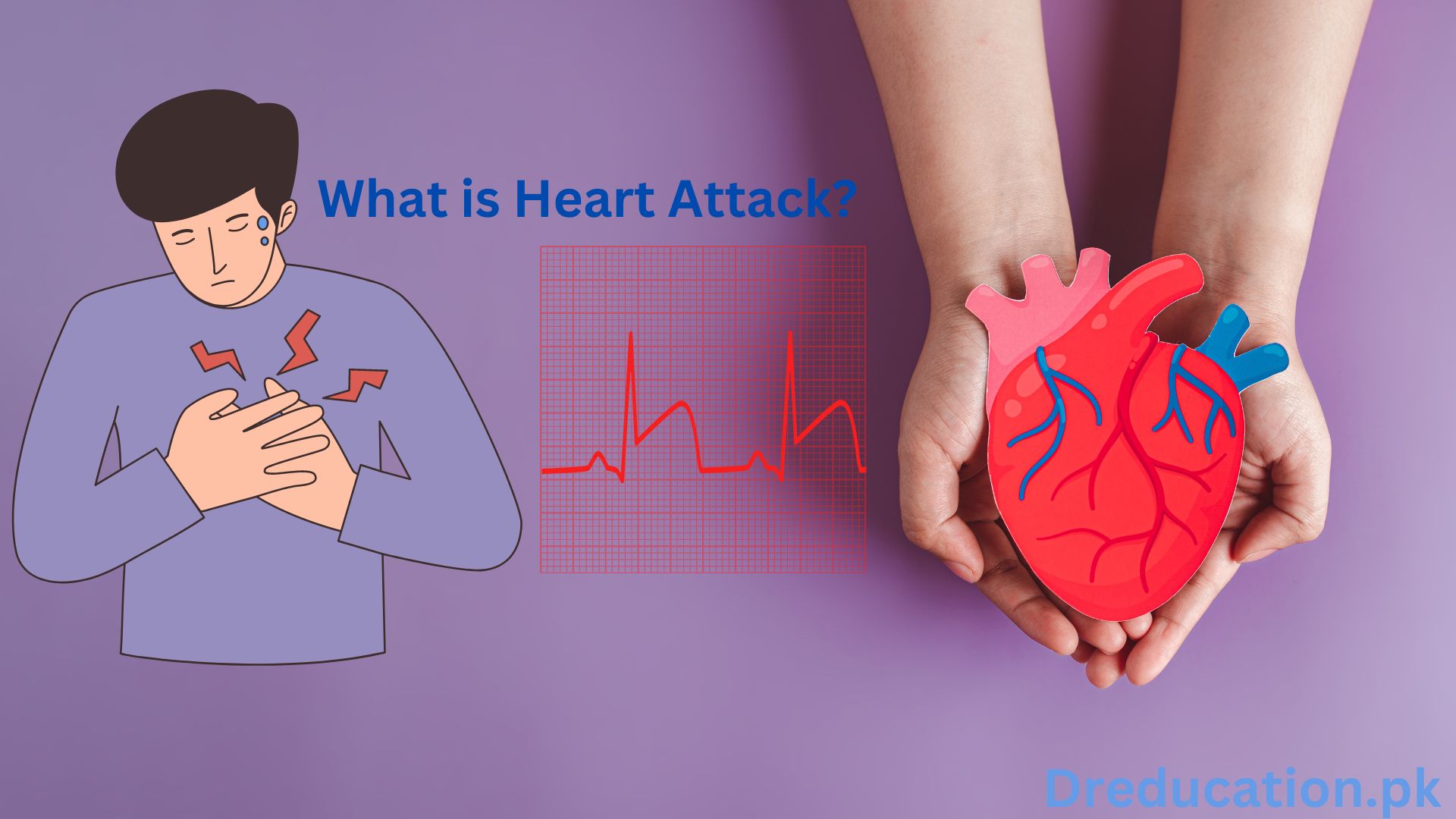
A heart attack (myocardial infarction) is an extremely dangerous condition that happens because you don’t have enough blood flow to some of your heart muscle. This lack of blood flow can occur because of many different factors but is usually related to a blockage in one or more of your heart’s arteries.
Without blood flow, the affected heart muscle will begin to die. If you don’t get blood flow back quickly, a heart attack can cause permanent heart damage and/or death.
A heart attack is a life-threatening emergency. If you think you or someone you’re with is having a heart attack, call 911 (or your local emergency services phone number). Time is critical in treating a heart attack. A delay of even a few minutes can result in permanent heart damage or death.
What exactly happens during a heart attack?
When a heart attack happens, blood flow to a part of your heart stops or is far below normal, which causes injury or death to that part of your heart muscle. When a part of your heart can’t pump because it’s dying from lack of blood flow, it can disrupt the pumping function of your heart. This can reduce or stop blood flow to the rest of your body, which can be deadly if someone doesn’t correct it quickly.
How common is a heart attack?
Every year, more than 800,000 people in the U.S. have a heart attack. Most heart attacks are due to coronary artery disease, which is the most common cause of death in the United States.
Signs and Symptoms
What does a heart attack feel like?
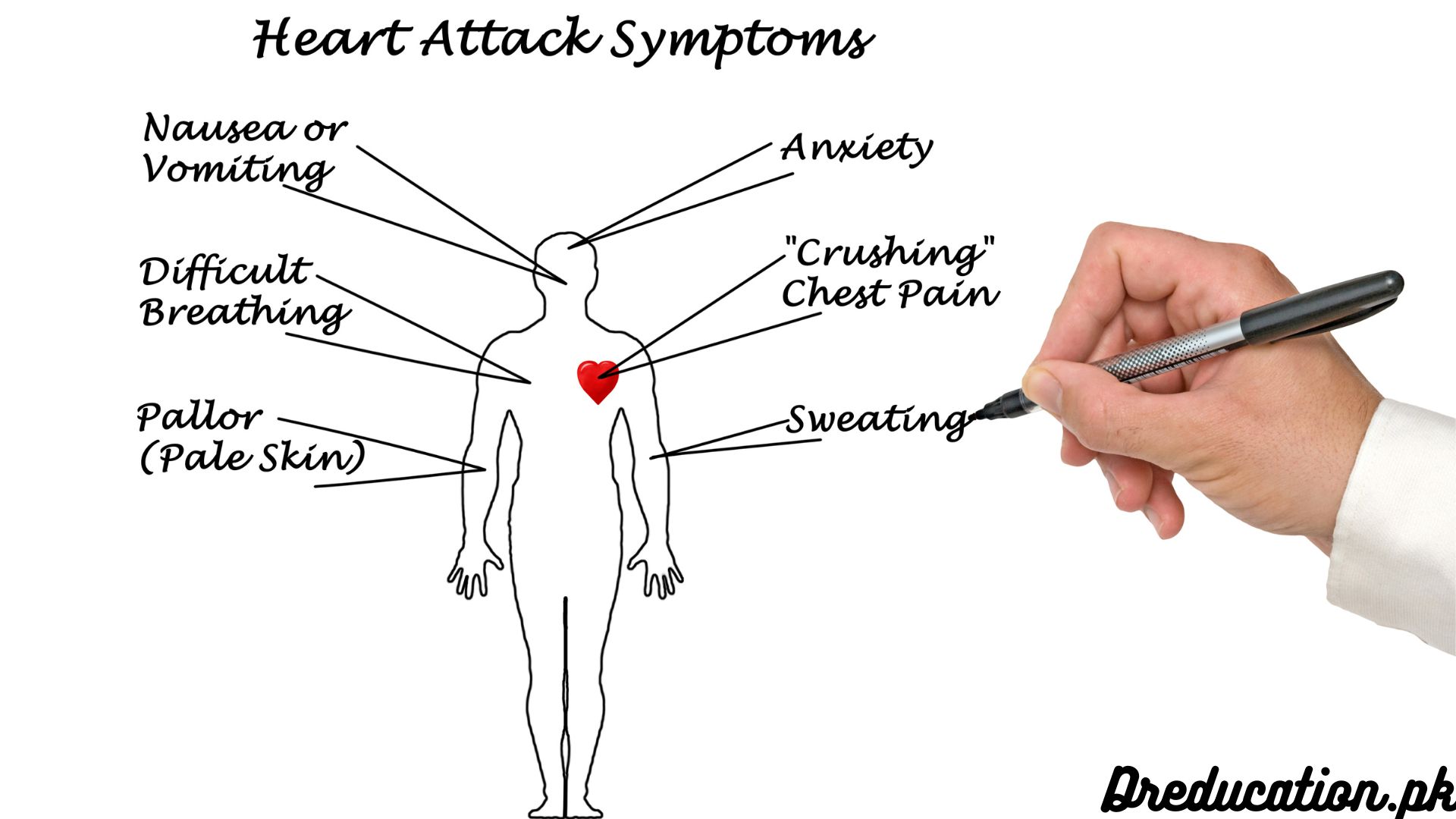
Many people feel pain in their chest during a heart attack. It can feel like discomfort, squeezing or heaviness, or it can feel like crushing pain. It may start in your chest and spread (or radiate) to other areas like your left arm (or both arms), shoulder, neck, jaw, back or down toward your waist.
People often think they’re having indigestion or heartburn when they’re actually having a heart attack.
Some people only experience shortness of breath, nausea or sweating.
What are the symptoms of a heart attack?
Heart attacks can have many symptoms, some of which are more common than others.
Heart attack symptoms that people describe most often include:
- Chest pain (angina).
- Shortness of breath or trouble breathing.
- Trouble sleeping (insomnia).
- Nausea or stomach discomfort.
- Heart palpitations.
- Anxiety or a feeling of “impending doom.”
- Feeling lightheaded, dizzy or passing out.
People assigned male at birth (AMAB) are likely to have different heart attack symptoms than people assigned female at birth (AFAB). People AFAB are less likely to have chest pain or discomfort that feels like indigestion. They’re more likely to have shortness of breath, fatigue and insomnia that started before the heart attack. They also have nausea and vomiting or pain in the back, shoulders, neck, arms or abdomen.
Causes
What causes a heart attack?
Most heart attacks happen because of a blockage in one of the blood vessels that supply your heart. Most often, this occurs because of plaque, a sticky substance that can build up on the insides of your arteries (similar to how pouring grease down your kitchen sink can clog your home plumbing). That build-up is called atherosclerosis. When there’s a large amount of this atherosclerotic build-up in the blood vessels to your heart, this is called coronary artery disease.
Sometimes, plaque deposits inside the coronary (heart) arteries can break open or rupture, and a blood clot can get stuck where the rupture happened. If the clot blocks the artery, this can deprive the heart muscle of blood and cause a heart attack.
Heart attacks are possible without ruptured plaque, but this is rare and only accounts for about 5% of all heart attacks. This kind of heart attack can occur for the following reasons:
- Coronary artery spasm.
- Rare medical conditions, like any disease that causes unusual narrowing of blood vessels.
- Trauma that causes tears or ruptures in your coronary arteries.
- Obstruction that came from somewhere else in your body, like a blood clot or air bubble (embolism) that ends up in a coronary artery.
- Eating disorders. Over time, these can damage your heart and ultimately result in a heart attack.
- Anomalous coronary arteries (a heart issue you’re born with where the coronary arteries are in abnormal positions. Compression of these causes a heart attack).
- Other conditions that can cause your heart not to receive as much blood as it should for a prolonged period of time, such as when blood pressure is too low, oxygen is too low or your heart rate is too fast.
What are the risk factors for a heart attack?
Several key factors affect your risk of having a heart attack. Unfortunately, some of these heart attack risk factors aren’t things you can modify:
- Age and sex: Your risk of heart attack increases as you get older. Your sex influences when your risk of a heart attack starts to increase. For people assigned male at birth (AMAB), the risk of heart attack increases at age 45. For people assigned female at birth (AFAB), the risk of heart attack increases at age 50 or after menopause.
- Family history of heart disease: If you have a parent or sibling with a history of heart disease or heart attack — especially at a younger age — your risk is even greater because your genetics are similar to theirs. Your risk increases if a first-degree relative (biological sibling or parent) received a heart disease diagnosis at age 55 or younger if they’re AMAB, or at age 65 or younger if they’re AFAB.
- Lifestyle: Lifestyle choices you make that aren’t good for your heart can increase your risk of having a heart attack. This includes things like smoking, eating high-fat foods, lack of physical activity, drinking too much alcohol and drug use.
- Certain health conditions: Some health conditions put stress on your heart and increase your risk for heart attack. This includes diabetes, obesity, high blood pressure, high cholesterol, eating disorders or a history of preeclampsia.
What are the complications of a heart attack?
Complications associated with heart attacks include:
- Arrhythmias (abnormal heart rhythms).
- Heart failure.
- Heart valve problems.
- Stroke.
- Sudden cardiac arrest.
- Depression and anxiety.
- Cardiogenic shock.
- Mechanical complications of a heart attack, such as a ventricular septal defect or free wall rupture. These are more likely to happen with delayed treatment of a heart attack.
READ MORE
Diagnosis and Tests
How do I know if I’ve had a heart attack?
Healthcare providers usually diagnose heart attacks in an emergency room setting. If you have heart attack symptoms, you should undergo a physical examination. A provider will check your pulse, blood oxygen levels and blood pressure and listen to your heart and lung sounds. They’ll also ask you about the symptoms you experienced. They might ask someone who was with you to describe what happened.
What tests will be done to diagnose a heart attack?
A healthcare provider will diagnose a heart attack using the following:
- Blood tests: One of the most reliable ways to diagnose a heart attack is to check for cardiac troponin in your blood. During a heart attack, the damage to heart muscle cells always causes this chemical marker to appear in your bloodstream.
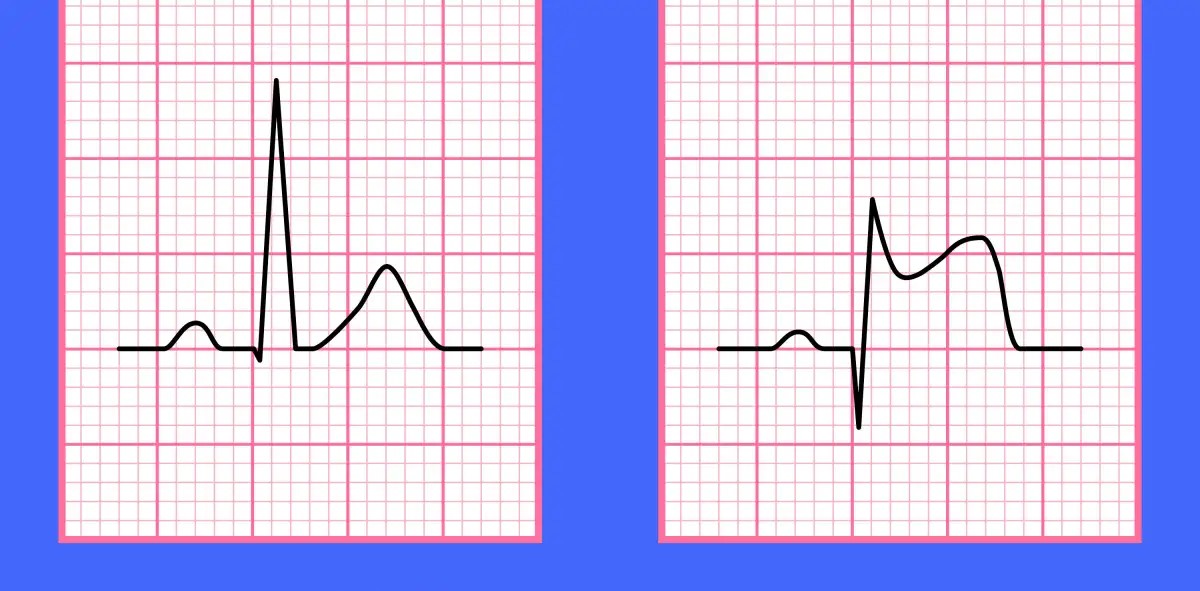
- Electrocardiogram (EKG or ECG): This is one of the first tests you get when you come to an ER with heart attack symptoms. Your heart’s electrical signals can help tell if an injury is occurring as well as if there are any rhythm abnormalities.
- Echocardiogram: Using ultrasound (high-frequency sound waves), an echocardiogram generates a picture of the inside and outside of your heart. It can show how well your heart is squeezing and how well the valves are working.
- Coronary angiogram or heart catheterization: This is a procedure that uses X-rays and contrast dye to show the blood vessels to your heart and can help determine if there are any blockages.
- Heart computed tomography (CT) scan: This creates a highly detailed scan of your heart and its blood vessels to show if there’s any significant narrowing or hardening of the major coronary arteries.
- Heart MRI (magnetic resonance imaging): This test uses a powerful magnetic field and computer processing to create an image of your heart. It can show problems with the blood flow in the arteries to your heart.
- Exercise stress test: This test can use an ECG, echocardiogram or nuclear scans while you’re physically active to help show if your heart is receiving enough blood flow.
- Nuclear heart scans: These scans use a radioactive dye a provider injects into your blood and computer-enhanced methods like computed tomography (CT) to find areas of your heart that aren’t receiving as much blood or are injured. These scans can be single-photon emission computed tomography (SPECT) scans or positron emission tomography (PET) scans.
Management and Treatment
How is a heart attack treated?
Treating a heart attack means restoring blood flow to the affected heart muscle as soon as possible. This can happen in a variety of ways, ranging from medication to surgery. Treatment will likely include several of the following methods.
Supplementary oxygen
People having trouble breathing or with low blood oxygen levels often receive supplementary oxygen along with other heart attack treatments. You can breathe the oxygen either through a tube that sits just below your nose or a mask that fits over your nose and mouth. This increases the amount of oxygen circulating in your blood and reduces the strain on your heart.
Medications
These may include:
- Anti-clotting medications: This includes aspirin and other blood-thinning medicines.
- Nitroglycerin: This medicine relieves chest pain and causes blood vessels to widen so blood can pass through more easily.
- Thrombolytic (clot-busting) medications: Providers use these only within the first 12 hours after a heart attack.
- Anti-arrhythmia medications: Heart attacks can often cause malfunctions in your heart’s normal beating rhythm called arrhythmias, which can be life-threatening. Anti-arrhythmia medications can stop or prevent these malfunctions.
- Pain medications: The most common pain medication people receive during heart attack care is morphine. This can help alleviate chest pain.
- Beta-blockers: These medications help slow down your heart rate so your heart can recover from the injury of a heart attack.
- Antihypertensive: These medications decrease your blood pressure and can help your heart recover from the injury of a heart attack.
- Statins: These medications help stabilize the plaque in your heart’s blood vessels so that they’re less likely to rupture. They also help reduce cholesterol and the chances of having another heart attack.
Percutaneous coronary intervention
Providers restore circulation to your affected heart muscle with a procedure called percutaneous coronary intervention (PCI) or angioplasty.
Opening your artery with a catheter is critical in restoring blood flow. The sooner that happens, the better the chance of a good outcome. Providers use a metric called “door-to-balloon time” to measure their ability to treat a heart attack. This is the average time it takes for people to undergo PCI after they first come into the emergency room. If you receive PCI, your provider may place a stent at the site of the blockage. The stent helps hold your artery open so another blockage doesn’t happen in the same spot.
Coronary artery bypass grafting
People who have severe blockages of their coronary arteries may undergo coronary artery bypass grafting (CABG). Providers often call this open-heart surgery or bypass surgery.
CABG involves using a blood vessel from elsewhere in your body (usually your chest, arm or leg) to construct a detour for blood. This reroutes blood around one or more blocked artery sections and brings blood to your heart muscle.
Complications/side effects of the treatment
Treatment side effects vary by treatment and may include:
- Nausea and vomiting.
- Weakness.
- Light-headedness.
- Bleeding.
- Infection.
- Damage to a blood vessel.
- Arrhythmia.
- Kidney issues.
- Stroke.
How soon after treatment will I feel better?
In general, your heart attack symptoms should decrease as you receive treatment. You’ll likely have some lingering weakness and fatigue during your hospital stay and for several days after. Your healthcare provider will give you guidance on rest, medications to take and more.
Recovery from the treatments also varies, depending on the method of treatment. The average hospital stay for a heart attack is between four and five days. In general, expect to stay in the hospital for the following length of time:
- Medication only: People who only receive medication have an average hospital stay of about six days.
- PCI: Recovering from PCI is easier than surgery because it’s a less invasive method for treating a heart attack. The average length of stay for PCI is about four days.
- CABG: Recovery from heart bypass surgery takes longer because it’s a major surgery. The average length of stay for CABG is about eight to 12 days.
Prevention
Can a heart attack be prevented?
In general, there are many things that you can do that may prevent a heart attack. However, there are some factors you can’t change — especially your family history — that can still lead to a heart attack despite your best efforts. Still, reducing your risk can postpone when you have a heart attack and reduce the severity if you have one.
How can I lower my risk?
Although several risk factors can’t be modified, there are many ways you can help yourself and reduce your risk of a heart attack. These include:
- Scheduling a check-up: Find a primary care provider (PCP) and see them at least once a year for a check-up or wellness visit. An annual check-up can catch many of the early warning signs of heart disease, including changes that you can’t feel. These include your blood pressure, blood sugar levels, cholesterol levels and more.
- Quitting tobacco products: This includes smokeless tobacco and all vaping products.
- Exercising regularly: Aim for 30 minutes of moderately intense physical activity five days a week.
- Eating nutritious foods: Examples include the Mediterranean or Dash diets. Eating plant-based meals is an excellent alternative to eating lots of processed meats and saturated fats.
- Maintaining a weight that’s healthy for you: Your primary care provider can advise you on a healthy target weight and provide resources and guidance to help you reach that goal.
- Managing your existing health conditions: This includes high cholesterol levels, high blood pressure and diabetes.
- Reducing your stress: Consider techniques such as yoga, deep breathing and meditation.
- Taking your medications as prescribed: Don’t just take medications when you remember to or when you have a doctor’s appointment coming up.
- Keeping all your medical appointments: Seeing your healthcare providers regularly can help uncover heart-related issues or other medical problems you didn’t know you had. This can also help treat problems sooner rather than later.
Being an active contributor to your health doesn’t mean you have to make lifestyle changes all on your own. Ask your primary care provider and others on your healthcare team for help. They can provide the information and resources you need.
If you’ve already had a heart attack, your healthcare provider will recommend a cardiac rehabilitation program. This program’s goal is to reduce your chance of a second heart attack. These medically supervised programs provide counselling and focus on the same healthy living goals listed above.
A note from Dreducation.pk
A blocked artery needs immediate care to prevent permanent heart damage. You may think that if your symptoms aren’t intense and severe, you’re not having a heart attack. But symptoms can be mild and it’s best to have a provider check them. Calling 911, rather than driving yourself or having someone else drive you, can be even more life-saving than you think. Time saved is a heart muscle saved, and that means a better chance of a good outcome for you.