

What is Bronchitis?
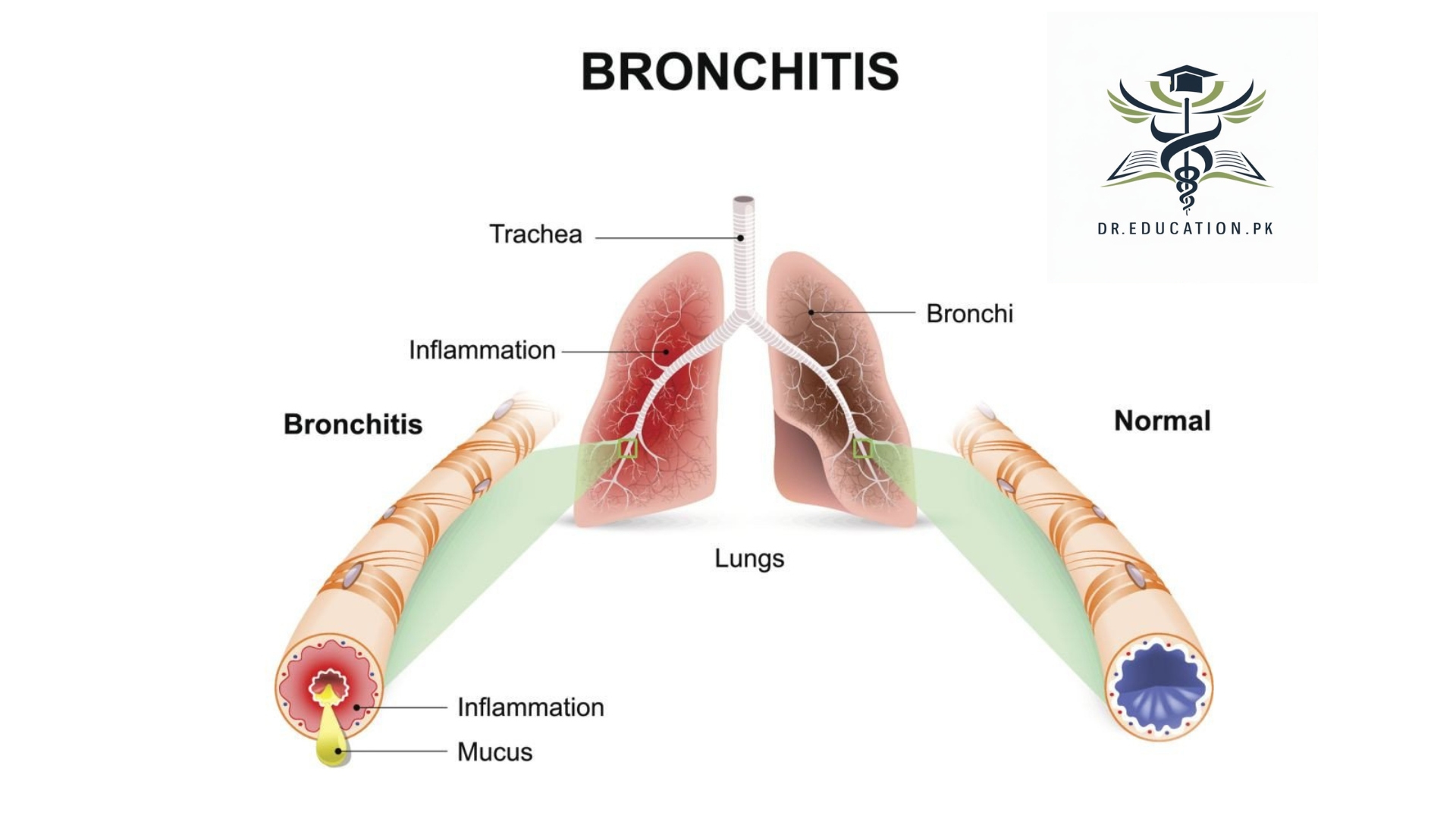
Bronchitis is an inflammation of the lining of your bronchial tubes. These tubes carry air to and from your lungs. People who have bronchitis often cough up thickened mucus, which can be discolored. Bronchitis may start suddenly and be short term (acute) or start gradually and become long term (chronic).
What is bronchitis?
Bronchitis is an inflammation of the airways leading into your lungs.
When your airways (trachea and bronchi) get irritated, they swell up and fill with mucus, causing you to cough. Your cough can last days to a couple of weeks. It’s the main symptom of bronchitis.
Viruses are the most common cause of acute bronchitis. Smoke and other irritants can cause acute and chronic bronchitis.
What are the types of bronchitis?
When people talk about bronchitis, they usually mean acute bronchitis, a temporary condition that makes you cough. Some people get bronchitis so often that it’s considered chronic bronchitis.
Acute bronchitis
Acute bronchitis is usually caused by a viral infection and goes away on its own in a few weeks. Most people don’t need treatment for acute bronchitis.
Chronic bronchitis
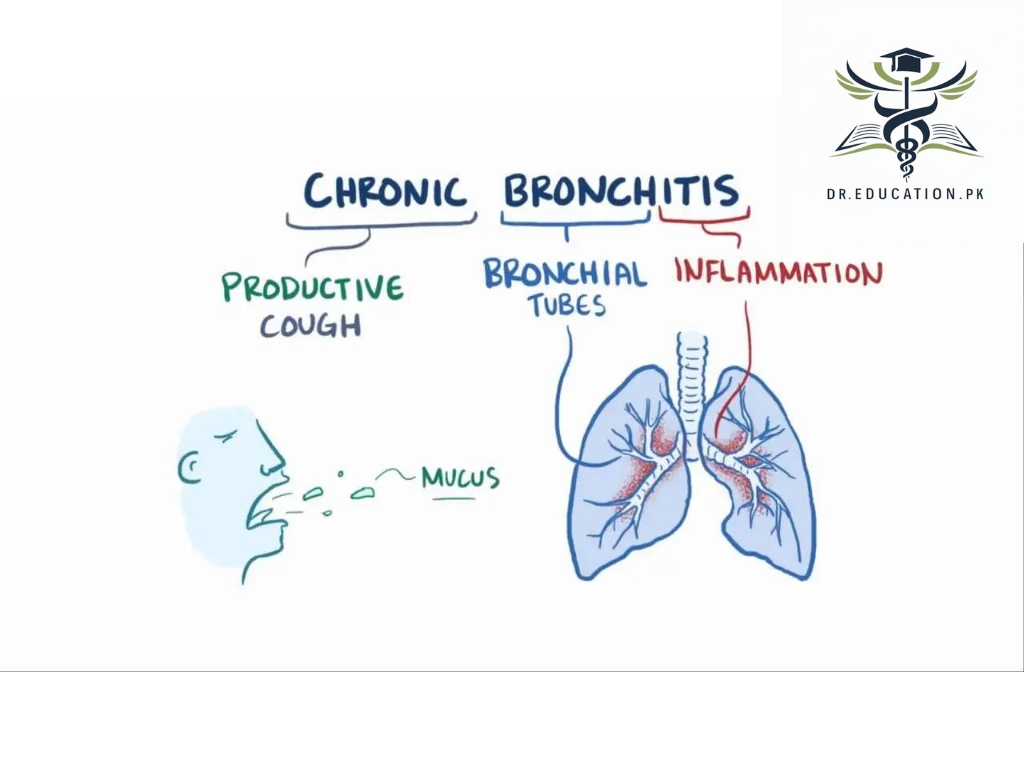
You have chronic bronchitis if you have a cough with mucus most days of the month for three months out of the year. This goes on for at least two years.
If you have chronic bronchitis, you may have chronic obstructive pulmonary disease (COPD). Ask your provider about whether you should get tested for COPD.
Who does bronchitis affect?
Anyone can get bronchitis, but you’re at higher risk if you:
- Smoke or are around someone who does.
- Have asthma, COPD or other breathing conditions.
- Have GERD (chronic acid reflux).
- Have an autoimmune disorder or other illness that causes inflammation.
- Are around air pollutants (like smoke or chemicals).
Symptoms
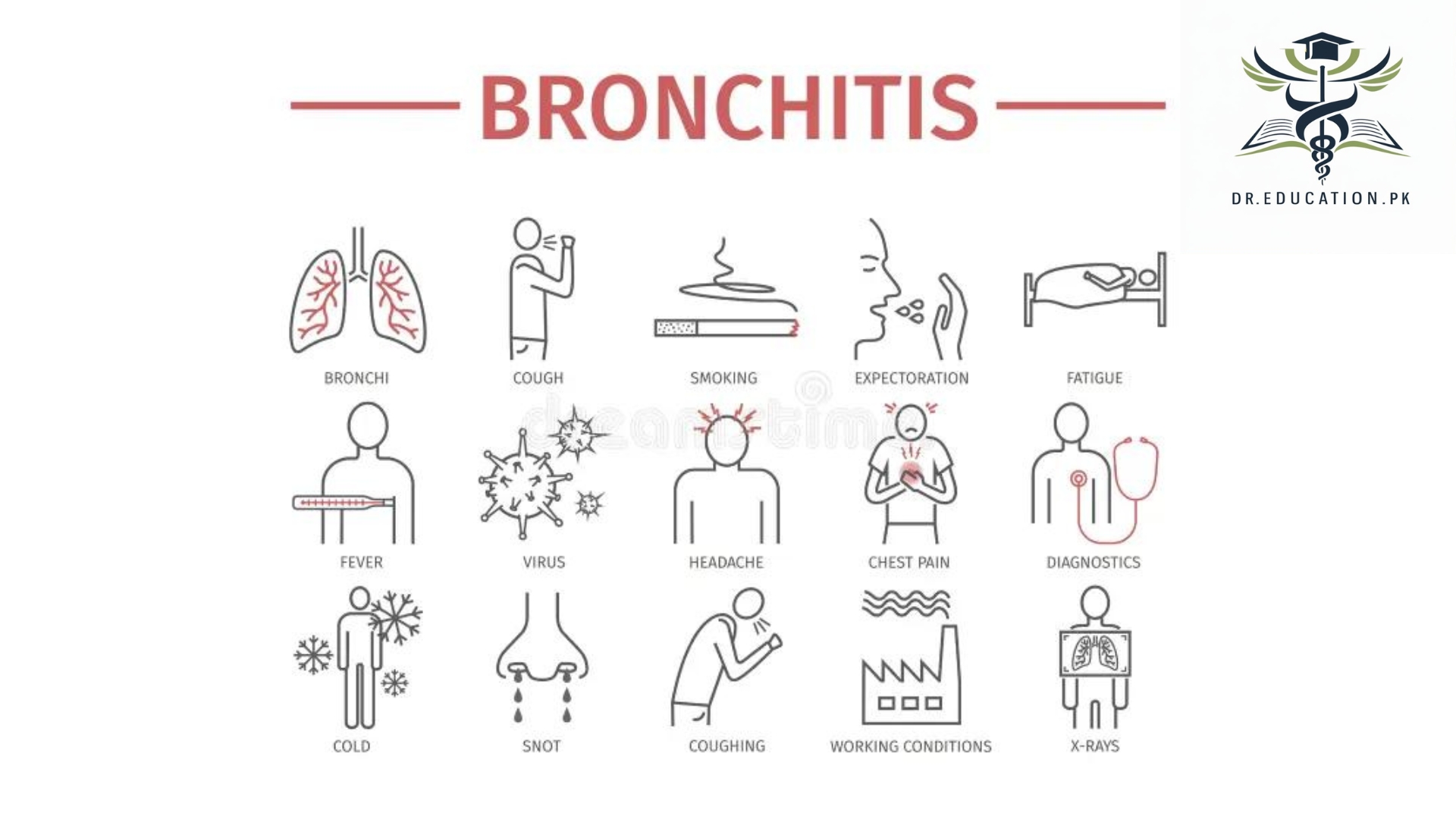
If you have acute bronchitis, you may have cold symptoms, such as:
- Cough
- Production of mucus (sputum), which can be clear, white, yellowish-gray or green in color — rarely, it may be streaked with blood
- Sore throat
- Mild headache and body aches
- Slight fever and chills
- Fatigue
- Chest discomfort
- Shortness of breath and wheezing
While these symptoms usually improve in about a week, you may have a nagging cough that lingers for several weeks.
For chronic bronchitis, signs and symptoms may include:
- Cough
- Production of mucus
- Fatigue
- Chest discomfort
- Shortness of breath
Chronic bronchitis is typically defined as a productive cough that lasts at least three months, with bouts that recur for at least two consecutive years. If you have chronic bronchitis, you’re likely to have periods when your cough or other symptoms worsen. It’s also possible to have an acute infection on top of chronic bronchitis.
What causes bronchitis?
You almost always get bronchitis from a virus. However, nearly anything that irritates your airways can cause it. Infectious and non-infectious causes of bronchitis include:
- Viruses. Viruses that cause bronchitis include influenza (the flu), respiratory syncytial virus (RSV), adenovirus, rhinovirus (the common cold) and Coronavirus(COVID-19).
- Bacteria. Bacteria that cause bronchitis include Bordetella pertussis, Mycoplasma pneumonia and Chlamydia pneumonia.
- Pollution.
- Smoking cigarettes or marijuana (cannabis).
When to see a doctor
Contact your doctor or clinic for advice if your cough:
- Is accompanied by a fever higher than 100.4 F (38 C).
- Produces blood.
- Is associated with serious or worsening shortness of breath or wheezing.
- Includes other serious signs and symptoms, for example, you appear pale and lethargic, have a bluish tinge to your lips and nail beds, or have trouble thinking clearly or concentrating.
- Lasts more than three weeks.
Before you go in, your doctor or clinic can give you guidance on how to prepare for your appointment.
READ MORE
Diagnosis and Tests
How is bronchitis diagnosed?
Your healthcare provider can tell if you have bronchitis based on your health history and symptoms (clinical diagnosis). They’ll listen to your lungs for signs of congestion and to make sure you’re breathing well. They might test you for viral infections, like the flu or COVID-19.
What tests will be done to diagnose this condition?
There aren’t any specific tests to diagnose bronchitis, but you might be tested for other conditions. Possible tests include:
- Nasal swab. Your healthcare provider may use a soft-tipped stick (swab) in your nose to test for viruses, like COVID-19 or the flu.
- Chest X-ray. If your cough lasts for a long time, you may get a chest X-ray to rule out more serious conditions. Your healthcare provider will use a machine to get pictures of your heart and lungs. They’ll look for signs of other diseases that could cause your symptoms.
- Blood tests. Your provider may do blood tests, using a needle in your arm, to look for infections or check your overall health.
- Sputum test. Your provider may have you cough and then spit into a tube. Your sample will be tested for signs of a virus or bacteria.
- Pulmonary function tests. If your provider thinks you have chronic bronchitis, they may use a machine to test how well your lungs work.
Treatment
Most cases of acute bronchitis get better without treatment, usually within a couple of weeks.
Medications
In some circumstances, your doctor may recommend other medications, including:
- Cough medicine. If your cough keeps you from sleeping, you might try cough suppressants at bedtime.
- Other medications. If you have allergies, asthma or chronic obstructive pulmonary disease (COPD), your doctor may recommend an inhaler and other medications to reduce inflammation and open narrowed passages in your lungs.
- Antibiotics. Because most cases of acute bronchitis are caused by viral infections, antibiotics aren’t effective. However, if your doctor suspects that you have a bacterial infection, he or she may prescribe an antibiotic.
Therapies
If you have chronic bronchitis, you may benefit from:
- Pulmonary rehabilitation. This is a breathing exercise program in which a respiratory therapist teaches you how to breathe more easily and increase your ability to be physically active.
- Oxygen therapy. This delivers extra oxygen to help you breathe.
Should I take antibiotics for bronchitis?
No, taking antibiotics won’t help you get over bronchitis in most cases. Antibiotics are used to destroy bacteria that make you sick. Bronchitis is caused by a virus 95% of the time. Antibiotics don’t help you get rid of a virus.
How do I manage the symptoms of bronchitis?
You can manage the symptoms of bronchitis at home with over-the-counter medicines and rest. Running a humidifier or taking warm showers can help loosen mucus and make breathing easier.
You can use ibuprofen (Advil®, Motrin®) or acetaminophen (Tylenol®) to help with the aches and pains that come with a viral infection.
Prevention
To reduce your risk of bronchitis, follow these tips:
- Get an annual flu shot. Many cases of acute bronchitis result from influenza, a virus. Getting a yearly flu vaccine can help protect you from getting the flu. Also ask your doctor or clinic if you need a vaccination that protects against certain types of pneumonia.
- Wash your hands. To reduce your risk of catching a viral infection, wash your hands frequently and get in the habit of using alcohol-based hand sanitizers. Also, avoid touching your eyes, nose and mouth.
- Avoid close contact with people who have a viral infection. Stay away from people who have the flu or another respiratory illness.
- Avoid cigarette smoke. Cigarette smoke increases your risk of chronic bronchitis.
- Wear appropriate face covering. If you have COPD, consider wearing a face mask at work if you’re exposed to dust or fumes. Talk to your employer about the appropriate protection. Wearing a face mask when you’re going to be among crowds helps reduce exposure to infections.
READ BOOKS
Outlook / Prognosis
What’s the outlook for bronchitis?
Acute bronchitis usually isn’t serious. While frustrating, you have to wait out the symptoms for a few weeks. If you’re living with a heart condition or another breathing condition, like asthma, it could make your symptoms worse or last longer.
Chronic bronchitis can be a serious condition and might mean you have lung damage. While the damage can’t be reversed, your provider can help you manage your symptoms and have fewer flare-ups.
Complications of bronchitis
If you have an ongoing condition like asthma, diabetes, chronic obstructive pulmonary disease or heart failure, bronchitis might make it worse (exacerbation). Tell your healthcare provider if you have any ongoing conditions.
Can bronchitis go away on its own?
Yes, acute bronchitis usually goes away on its own. It’s almost always caused by a virus, and you can’t get rid of most viruses with medicine. You can treat the symptoms at home while you wait for the inflammation to go down.
Bronchitis caused by something else may need treatment to help it go away. Chronic bronchitis usually doesn’t go away completely, but can get better with treatment.
How long does it take to get over bronchitis?
Most people get over bronchitis in about two weeks, but it might take as long as three to six weeks. You can manage your symptoms at home with over-the-counter medicines while you get better. If you don’t feel better after three weeks, see your healthcare provider.
Lifestyle and home remedies
If you have bronchitis, to help you feel better, you may want to try the following self-care measures:
- Get enough rest. Rest and sleep help your body heal.
- Drink plenty of fluids. Staying hydrated can help to thin mucus.
- Avoid lung irritants. Don’t smoke. Wear a mask when the air is polluted or if you’re exposed to irritants, such as paint or household cleaners with strong fumes.
- Use a humidifier. Warm, moist air helps relieve coughs and loosens mucus in your airways. Be sure to clean the humidifier according to the manufacturer’s recommendations to avoid the growth of bacteria and fungi in the water container.
- Consider a face covering in cold air. If cold air makes your cough worse and causes shortness of breath, put on a face mask or cover your mouth and nose with a scarf before you go outside.


