
What is Respiratory System?
The respiratory system includes the nose, mouth, throat, voice box, windpipe, and lungs. Air enters the respiratory system through the nose or the mouth. If it goes in the nostrils (also called nares), the air is warmed and humidified.
Overview
What Is the Respiratory System?
The respiratory system is the organs and other parts of your body involved in breathing, when you exchange oxygen and carbon dioxide.
All the cells in your body need oxygen to work. As they take in oxygen, they release carbon dioxide, which is called a “waste gas.” It goes into you bloodstream and gets carried to your lungs. You breathe it out when you exhale.
This vital function is called “gas exchange,” and your body is set up to do it automatically.
Respiratory System Function
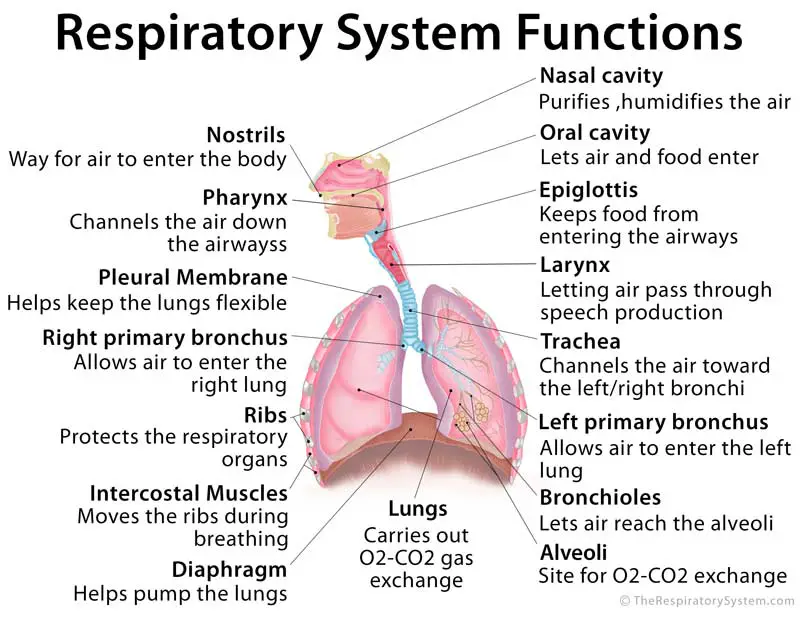
- Warming up air so that it matches your body temperature
- Moisturizing air to the humidity level your body needs
- Protecting your airways from things that might irritate or harm them
- Letting you smell and talk
Respiratory System Parts
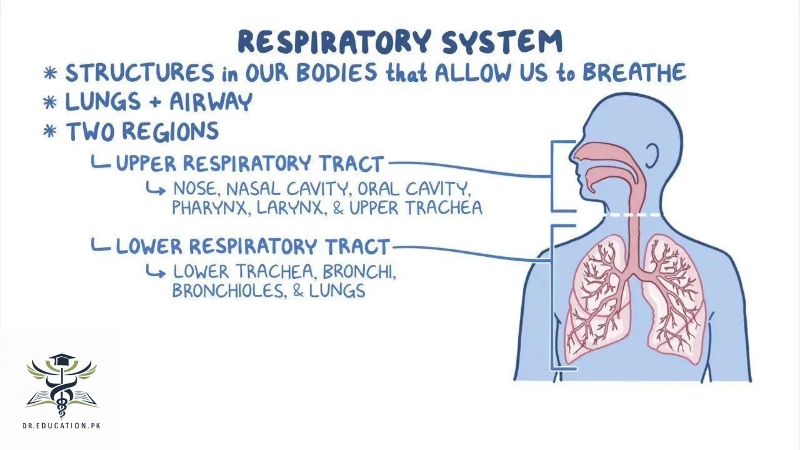
Your respiratory system is divided into two parts, upper and lower.
Your upper respiratory tract is made up of:
- Nose and nasal cavity
- Sinuses
- Mouth
- Throat (pharynx)
- Voice box (larynx)
The parts of your lower respiratory tract are:
- Windpipe (trachea)
- Diaphragm
- Lungs
- Bronchial tubes/bronchi
- Bronchioles
- Air sacs (alveoli)
- Capillaries
Respiratory System and Circulatory System
The circulatory system, also known as the cardiovascular system, moves blood around your body. It and your respiratory system work together to bring oxygen-rich blood to your cells.
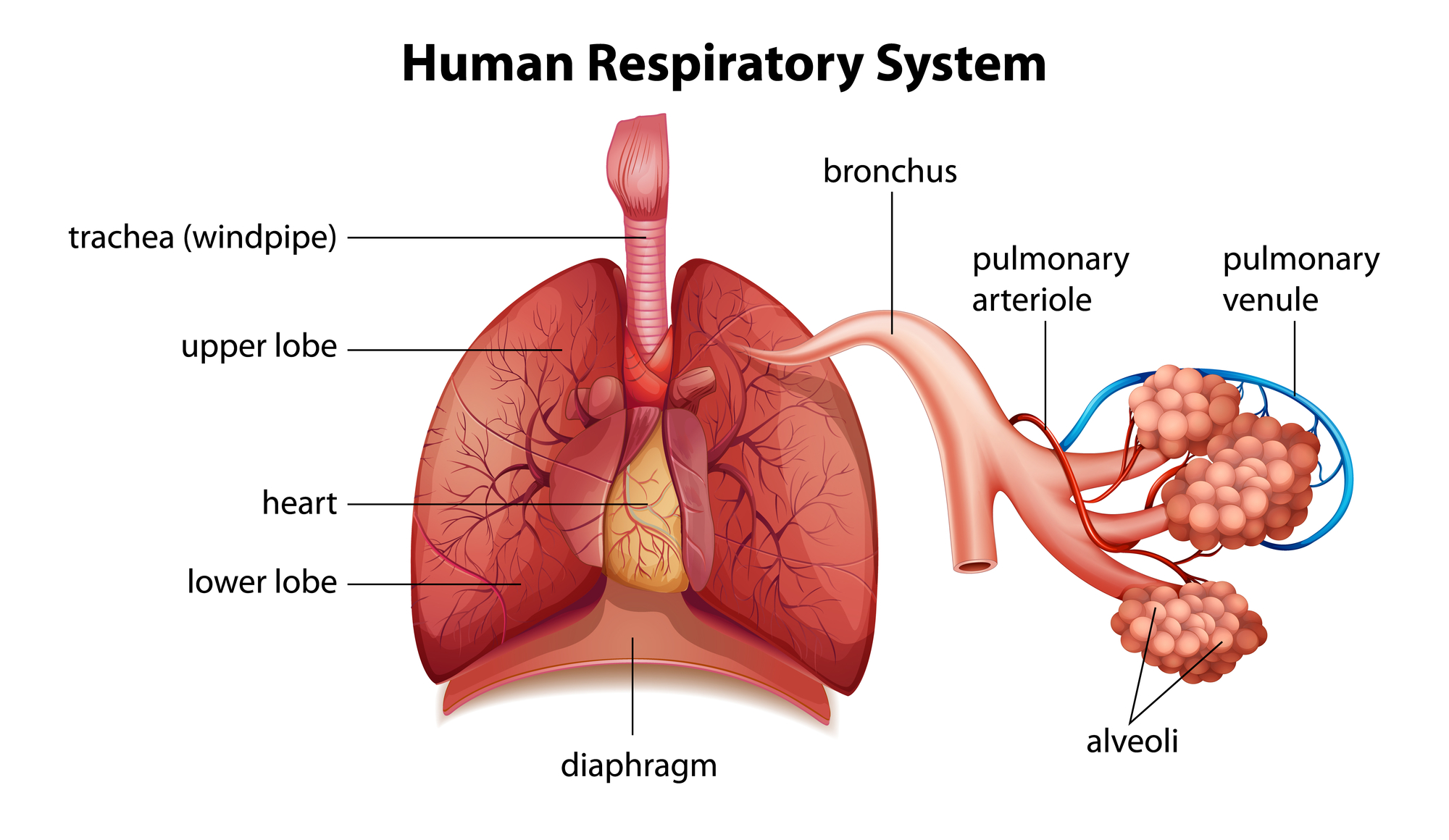
Breathing starts when you inhale air into your nose or mouth. It travels down the back of your throat and into your windpipe, which is divided into air passages called bronchial tubes.
For your lungs to perform their best, these airways need to be open. They should be free from inflammation or swelling and extra mucus.
As the bronchial tubes pass through your lungs, they divide into smaller air passages called bronchioles. The bronchioles end in tiny balloon-like air sacs called alveoli. Your body has about 600 million alveoli.
The alveoli are surrounded by a mesh of tiny blood vessels called capillaries. Here, oxygen from inhaled air passes into your blood.
After absorbing oxygen, blood goes to your heart. Your heart then pumps it through your body to the cells of your tissues and organs.
As the cells use the oxygen, they make carbon dioxide that goes into your blood. Your blood then carries the carbon dioxide back to your lungs, where it’s removed from your body when you exhale.
READ MORE
Inhalation and Exhalation
Inhalation and exhalation are how your body brings in oxygen and gets rid of carbon dioxide. The process gets help from a large dome-shaped muscle under your lungs called the diaphragm.
When you breathe in, your diaphragm pulls downward, creating a vacuum that causes a rush of air into your lungs.
The opposite happens with exhalation: Your diaphragm relaxes upward, pushing on your lungs, allowing them to deflate.
How Does the Respiratory System Clean the Air?
Your respiratory system has built-in methods to keep harmful things in the air from entering your lungs.
Hairs in your nose help filter out large particles. Tiny hairs, called cilia, along your air passages move in a sweeping motion to keep the passages clean. But if you breathe in harmful things like cigarette smoke, the cilia can stop working. This can lead to health problems like bronchitis.
Cells in your trachea and bronchial tubes make mucus that keeps air passages moist and helps keep dust, bacteria and viruses, and allergy-causing things out of your lungs.
Mucus can bring up things that reach deeper into your lungs. You then cough out or swallow them.
Respiratory System Diseases
Respiratory infections are common illnesses. Children are especially likely to get them. They can affect your upper or lower respiratory tract.
Upper respiratory infections include:
- The common cold
- Epiglottitis, a swelling of the top part of the trachea that sits at the back of your throat
- Laryngitis, inflammation of your voice box. You might become very hoarse or lose your voice altogether.
- Pharyngitis, otherwise known as a sore throat
- Sinusitis, an infection of your sinuses
Lower respiratory infections include:
- Bronchitis, an infection of your lungs that causes coughing and a fever
- Bronchiolitis, a lung infection that usually affects children
- Chest infection
- Pneumonia
Respiratory infections are caused by viruses or bacteria entering your system. They’re contagious, spread by sneezing, coughing, or touching things contaminated with germs.
You may have heard about RSV, which stands for respiratory syncytial virus. It’s a common upper respiratory virus that usually isn’t serious, but it can cause problems for older people and small children.
Influenza, or the flu, isn’t considered an upper respiratory virus, even though it can cause symptoms like coughing, a sore throat, and a runny nose. That’s because the flu virus affects more than one system in your body.
Common diseases of the respiratory system include:
- Asthma. Your airways narrow and make too much mucus.
- Bronchiectasis. Inflammation and infection make your bronchial walls thicker.
- Chronic obstructive pulmonary disease (COPD). This long-term condition gets worse over time. It includes bronchitis and emphysema.
- Pneumonia. An infection causes inflammation in your alveoli. They might fill up with fluid or pus.
- Tuberculosis. Bacteria cause this dangerous infection. It usually affects your lungs but might also involve your kidneys, spine, or brain.
- Lung cancer. Cells in your lung change and grow into a tumor. This often happens because of smoking or other chemicals you’ve breathed in.
- Cystic fibrosis. This disease is caused by a problem in your genes and gets worse over time. It causes lung infections that don’t go away.
- Pleural effusion. Too much fluid builds up between the tissues that line your lungs and chest.
- Idiopathic pulmonary fibrosis. Your lung tissue becomes scarred and can’t work the way it should.
- Sarcoidosis. Tiny clumps of inflammatory cells called granulomas form, often in your lungs and lymph nodes.
How to Take Care of Your Respiratory System
You can take steps to keep the parts of your respiratory system healthy and functioning well. They include:
- Don’t smoke. Smoking irritates your respiratory system and can make it harder to breathe. It raises your chances of COPD and lung cancer. Avoid secondhand smoke, too.
- Exercise regularly, which will make your lungs and your heart stronger.
- Stay hydrated. Water helps keep your mucus thin, which makes it easier to breathe. Thicker mucus can make you more likely to get an infection.
- Get checkups, so you and your doctor can stay on top of any respiratory problems.
- Get vaccinated. Vaccines can protect you against, COVID-19, the flu, RSV, and pneumonia. Talk to your doctor about which shots you should have. They’re especially important if you have a respiratory condition.
- Be aware of outdoor air pollution. Check the air quality where you are and follow recommendations to limit exposure when needed.
- Promote good indoor air quality. Dusting regularly, changing your home’s air filters, and keeping cigarette smoke out are a few ways to improve the air in your home.
- Take deep breaths. This can improve your lung function, and it also may help you manage stress.
- Wash your hands. It’s one of the best ways to avoid the spread of upper respiratory infections.
- Ask about a lung cancer screening. If you’re at high risk, this test could make sense for you. Ask your doctor.
Respiratory System FAQs
How does the respiratory system work with the muscular system?
Several muscles work with your respiratory system when you breathe. The main one is your diaphragm, which separates your lungs from your belly space. Muscles between your ribs, called intercostal muscles, and muscles in your belly area help out when you’re breathing hard; for instance, when you’re exercising. Muscles in your face, nose, and throat also help with breathing. And muscles in your neck and collarbone help you to inhale.
Can you live without one lung?
Yes. Most people can manage with one lung, as long as it’s healthy.
What doctor specializes in the respiratory system?
Pulmonologists focus on problems with the respiratory system.


