What is Dementia?
According to Wikipedia,
Dementia is a syndrome associated with many neurodegenerative diseases, characterized by a general decline in cognitive abilities that affects a person’s ability to perform everyday activities. This typically involves problems with memory, thinking, behavior, and motor control.
Overview
What is Dementia?
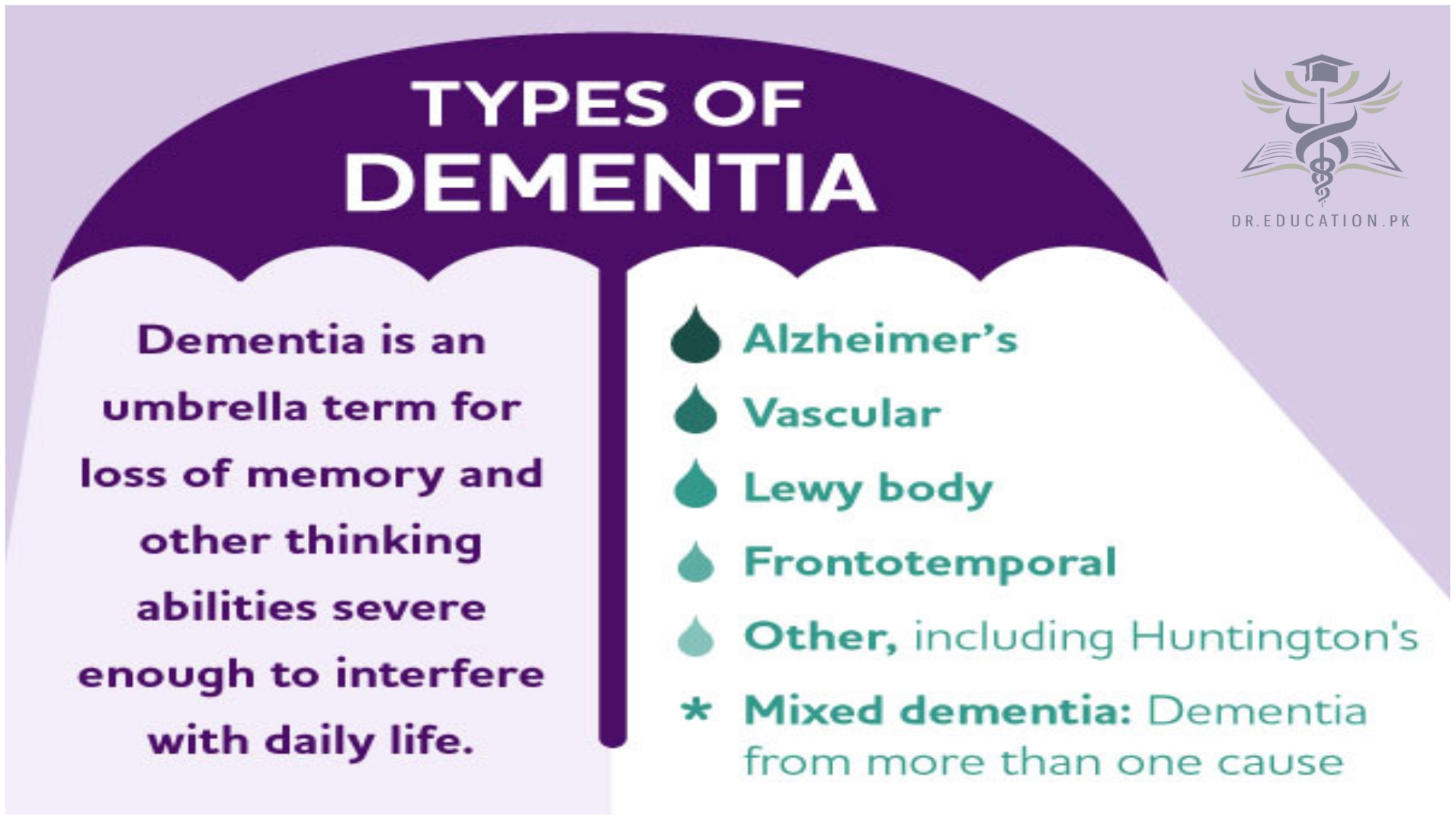
Dementia is a term used to describe a group of symptoms affecting memory, thinking and social abilities. In people who have dementia, the symptoms interfere with their daily lives. Dementia isn’t one specific disease. Several diseases can cause dementia.
Dementia generally involves memory loss. It’s often one of the early symptoms of the condition. But having memory loss alone doesn’t mean you have dementia. Memory loss can have different causes.
Alzheimer’s disease is the most common cause of dementia in older adults, but there are other causes of dementia. Depending on the cause, some dementia symptoms might be reversible.
But other known causes of dementia include:
- Vascular dementia.
- Dementia with Lewy bodies.
- Frontotemporal dementia.
- Mixed dementia.
- Dementia due to Parkinson’s disease.
- Dementia-like conditions due to reversible causes, such as medication side effects or thyroid problems.
What’s the difference between dementia and Alzheimer’s disease?
Dementia is a description of the state of a person’s mental function and not a specific disease. Dementia is an “umbrella category” describing mental decline that’s severe enough to interfere with daily living.
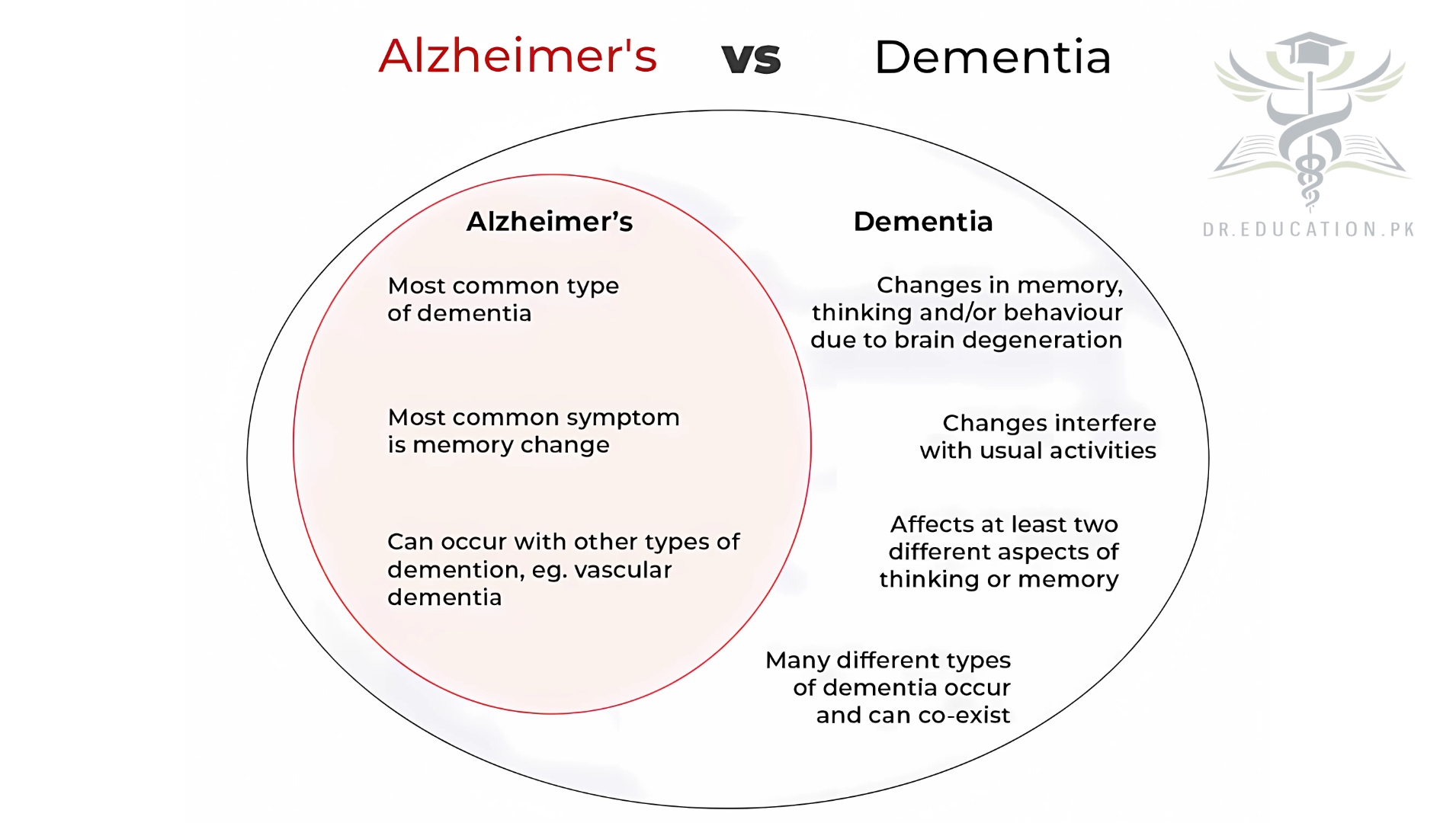
There are many underlying causes of dementia, including Alzheimer’s disease and Parkinson’s disease. Alzheimer’s disease is the most common underlying cause of dementia.
Types of Dementia
Several underlying medical conditions can cause damage that leads to dementia, including:
Alzheimer’s disease
This is the most common cause of dementia. In people with Alzheimer’s, pieces of a protein called amyloid cluster together to form plaques between their brain cells, and another protein called tau forms tangles inside their nerve cells. These proteins often start in the hippocampus, which is an area of your brain that controls how you form memories.
Over time, the plaques and tangles spread throughout the brain, leading to increased memory loss and trouble thinking. Eventually, individuals lose the ability to communicate and become dependent on others for their daily care.
Currently, some medicines can slow the progression of Alzheimer’s, but no treatment can completely stop the process or reverse it.
Vascular dementia
Vascular contributions to cognitive impairment and dementia (VCID) is caused by the same risk factors that increase your risk for stroke, such as atrial fibrillation, high blood pressure, diabetes, and high cholesterol. Your symptoms will depend on where you have blood circulation problems in your brain as well as how big they are and how many you have.
There are several forms of VCID, including:
- Vascular dementia
- Vascular cognitive impairment
- Poststroke dementia
- Multi-infarct dementia
- Cerebral autosomal dominant arteriopathy with subcortical infarcts and leukoencephalopathy (CADASIL)
- Subcortical vascular dementia (Binswanger’s disease)
- Cerebral amyloid angiopathy
Lewy body dementia (LBD)
After Alzheimer’s and vascular causes, LBD is the next most common cause of dementia. It’s caused by balloon-like clumps of abnormal proteins called Lewy bodies, which form in your nerve cells. People with LBD have problems with their thinking, behavior, body, and sleep. There are a couple of different types of LBD, including:
- Dementia with Lewy bodies (DLB)
- Parkinson’s disease dementia (PDD)
This is a group of neurodegenerative brain disorders that primarily affect the frontal and temporal lobes of your brain. Your frontal lobe partly controls your personality, decision-making, movement, and ability to smell and speak. Changes in this region of your brain would affect your ability to reason, make decisions, prioritize, multitask, act appropriately, and control movement. Your temporal lobe partly controls your short-term memory, speech, musical rhythm, and some of your ability to smell. Changes in this region of your brain affect your memory and your ability to understand the words that you hear, recognize things you’ve seen, and identify and respond to your emotions.
Mixed dementia
Some people live with more than one type of dementia at a time. This is called mixed dementia. The most common combination is vascular dementia and Alzheimer’s disease.
Mixed dementia has no specific set of symptoms. The symptoms you have will depend on the types of dementia you have. Typically when two types are combined, it makes the symptoms of each type worse than they would be alone.
Dementia due to other diseases and conditions
Other causes of dementia include:
- Huntington’s disease: A single defective gene causes this brain disorder. The disease causes a breakdown in your brain’s nerve cells, which causes body movement control problems, as well as thinking, decision-making and memory trouble, and personality changes.
- Parkinson’s disease: Many people in the later stages of Parkinson’s disease develop dementia. Symptoms include trouble with thinking and memory, hallucinations and delusions, depression and trouble with speech.
- Creutzfeldt-Jakob disease: This rare infective brain disease affects about only 1 in 1 million people. An abnormal protein in your brain called prions causes the disease. These prions clump together and cause nerve cell death in your brain. Symptoms include problems with thinking, memory, communication, planning and/or judgment, confusion, behavior changes, agitation and depression.
- Wernicke-Korsakoff syndrome: This brain disorder is caused by a severe thiamine (vitamin B1) deficiency. This can result in bleeding in key areas related to memory in your brain. It’s most commonly caused by alcohol use disorder but can also be due to malnutrition and chronic infection. Symptoms include double vision, loss of muscle coordination, and difficulty processing information, learning new skills and remembering things.
- Traumatic brain injury: Repeated blows to your head can cause this injury. It’s most often seen in football players, boxers, soldiers and people who’ve had a vehicle accident. Dementia symptoms, which appear years later, include memory loss, behavior or mood changes, slurred speech and headaches.
Symptoms
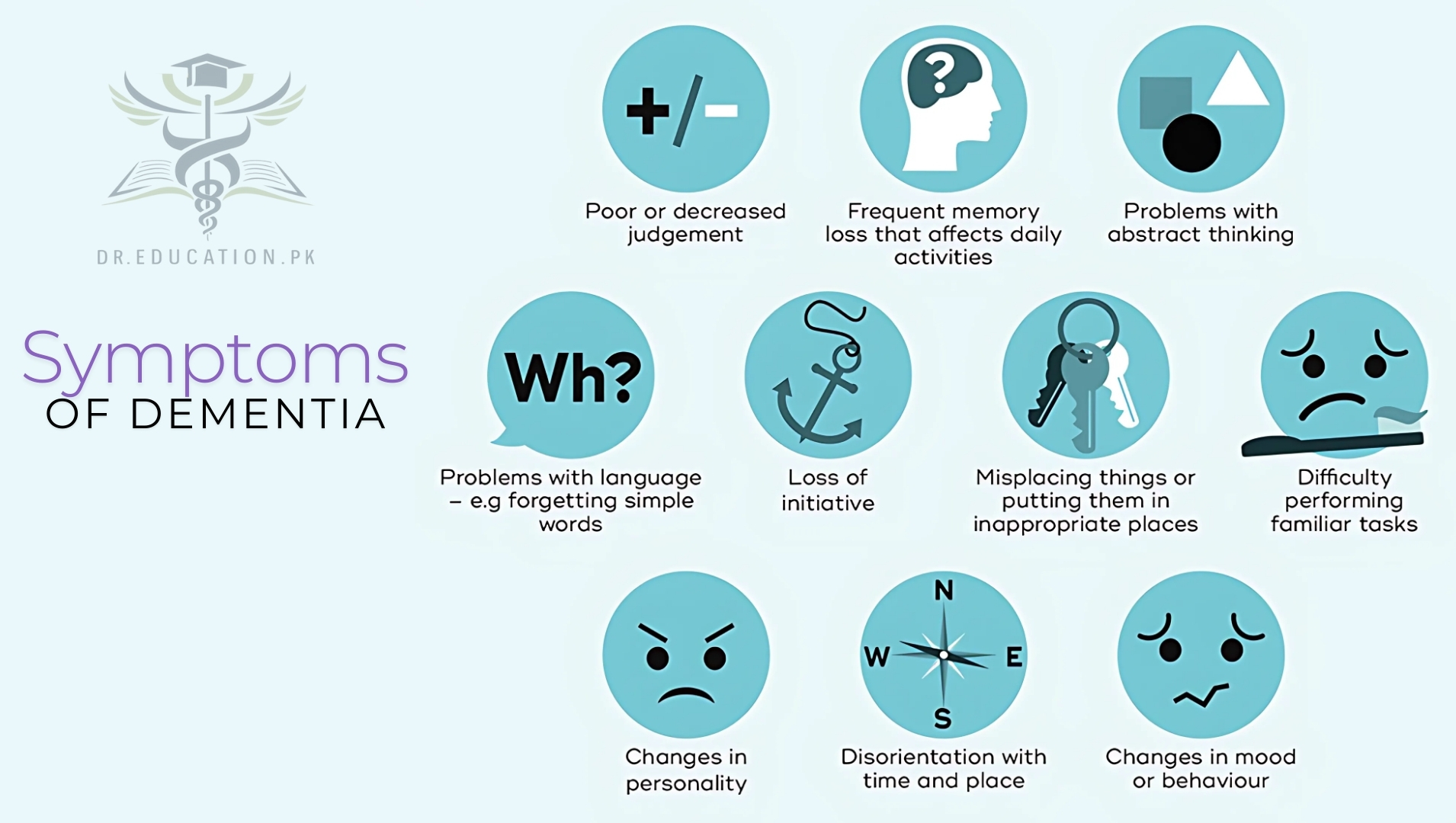
Dementia symptoms vary depending on the cause. Common symptoms include:
Cognitive changes
- Memory loss, which is usually noticed by someone else.
- Problems communicating or finding words.
- Trouble with visual and spatial abilities, such as getting lost while driving.
- Problems with reasoning or problem-solving.
- Trouble performing complex tasks.
- Trouble with planning and organizing.
- Poor coordination and control of movements.
- Confusion and disorientation.
Psychological changes
- Personality changes.
- Depression.
- Anxiety.
- Agitation.
- Inappropriate behavior.
- Being suspicious, known as paranoia.
- Seeing things that aren’t there, known as hallucinations.
What are the causes of dementia?
Dementia is caused by damage to your brain. Dementia affects your brain’s nerve cells, which destroys your brain’s ability to communicate with its various areas. Dementia can also result from blocked blood flow to your brain, depriving it of needed oxygen and nutrients. Without oxygen and nutrients, brain tissue dies.
Damage to your brain results in different symptoms, depending on the area of your brain affected. Some dementias aren’t reversible and will worsen over time. Other dementias are due to other medical conditions that also affect your brain. Another group of health issues can result in dementia-like symptoms. Many of these conditions are treatable, and the dementia symptoms are reversible.
All of the possible causes of dementia are discussed in the question, “Are there different types of dementia?”
Dementia-like conditions that can be reversed
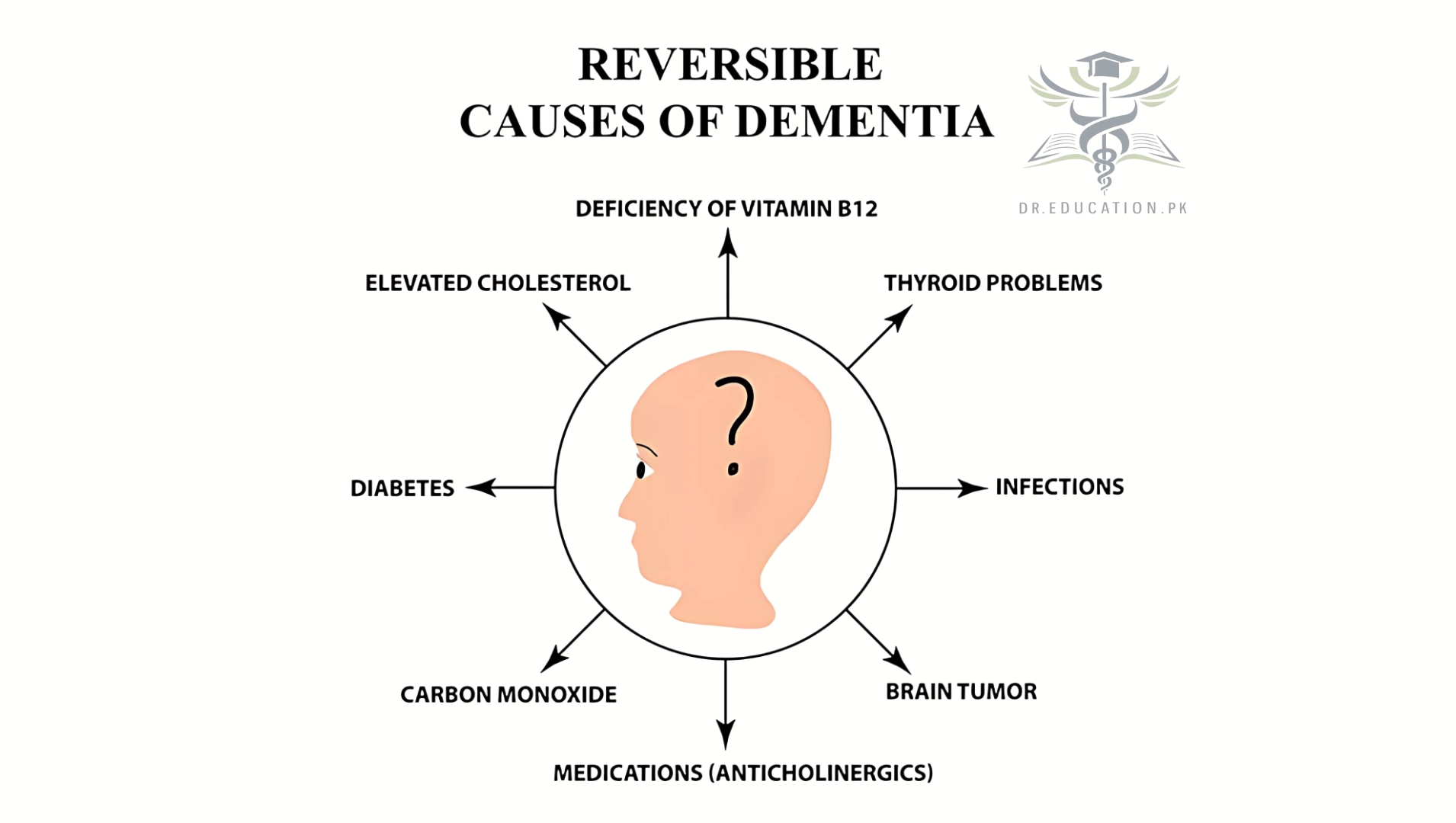
Some causes of dementia-like symptoms can be reversed with treatment. They include:
- Infections and immune disorders. Dementia-like symptoms can result from a fever or other side effects of the body’s attempt to fight off an infection. Multiple sclerosis and other conditions caused by the body’s immune system attacking nerve cells also can cause dementia.
- Metabolic or endocrine problems. People with thyroid problems and low blood sugar can develop dementia-like symptoms or other personality changes. This also is true for people who have too little or too much sodium or calcium, or problems absorbing vitamin B-12.
- Low levels of certain nutrients. Not getting enough of certain vitamins or minerals in your diet can cause dementia symptoms. This includes not getting enough thiamin, also known as vitamin B-1, which is common in people with alcohol use disorder. It also includes not getting enough vitamin B-6, vitamin B-12, copper or vitamin E. Not drinking enough liquids, leading to dehydration, also can cause dementia symptoms.
- Medicine side effects. Side effects of medicines, a reaction to a medicine or an interaction of several medicines can cause dementia-like symptoms.
- Subdural bleeding. Bleeding between the surface of the brain and the covering over the brain can be common in older adults after a fall. Subdural bleeding can cause symptoms similar to those of dementia.
- Brain tumors. Rarely, dementia can result from damage caused by a brain tumor.
- Normal-pressure hydrocephalus. This condition is a buildup of fluid in the cavities in the brain known as ventricles. It can result in walking problems, loss of bladder control and memory loss.
Risk Factors for Dementia
Certain physical and lifestyle factors can raise your chances of dementia, including:
- Your age
- Family history of dementia
- Illnesses including diabetes, Down syndrome, multiple sclerosis, heart disease, and sleep apnea
- Depression
- Lifestyle factors, such as smoking, heavy alcohol use, poor diet, and lack of exercise
- Brain injury from accidents, high-impact sports, and military service
- Strokes
- Infection of the brain (for example, meningitis and syphilis)
- Hearing loss
- Low levels of some vitamins and nutrients such as vitamins D and B12
- Sleep problems and disorders, including insomnia or dependence on sleep medications
- Pollutants in your environment
- Cognitive reserve, which is your brain’s ability to handle diseases and comes from doing mentally stimulating work
Complications
Dementia can affect many body systems and, therefore, the ability to function. Dementia can lead to:
- Poor nutrition. Many people with dementia eventually reduce or stop eating, affecting their nutrient intake. Ultimately, they may be unable to chew and swallow.
- Pneumonia. Trouble swallowing increases the risk of choking. And food or liquids can enter the lungs, known as aspiration. This can block breathing and cause pneumonia.
- Inability to perform self-care tasks. As dementia gets worse, people have a hard time bathing, dressing, and brushing their hair or teeth. They need help using the toilet and taking medicines as directed.
- Personal safety challenges. Some day-to-day situations can present safety issues for people with dementia. These include driving, cooking, and walking and living alone.
- Death. Coma and death can occur in late-stage dementia. This often happens because of an infection.
Dementia Diagnosis
No single test can diagnose dementia. Your doctor will diagnose you based on your symptoms, medical history, physical exam, and cognitive tests.
Some tests your doctor may order include:
- Blood and urine tests
- Chest X-ray
- PET, MRI, or CT scans to show your brain activity
- Electroencephalogram (EEG)
- Spinal fluid analysis
- Neurological tests for memory
Your doctor will use certain criteria to diagnose dementia. These include impairment of:
- Attention
- Orientation
- Memory
- Judgment
- Language, motor, and spatial skills and function
- Overall mental health, as conditions such as major depression and schizophrenia can cause similar symptoms as dementia
Treatment
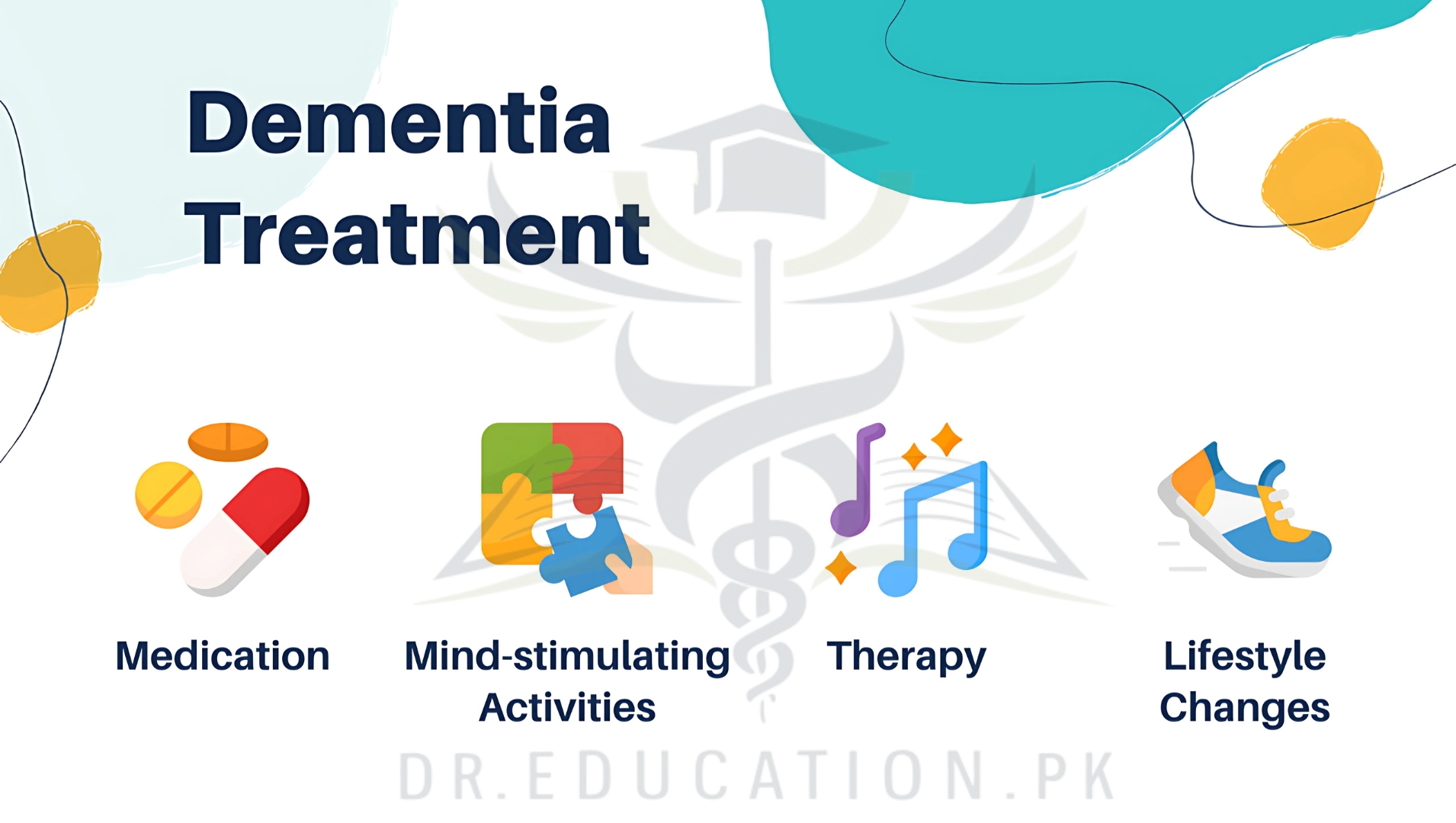
Most types of dementia can’t be cured, but there are ways to manage your symptoms.
Medications
The following are used to temporarily improve dementia symptoms.
- Cholinesterase inhibitors. These medicines work by boosting levels of a chemical messenger involved in memory and judgment. They include donepezil (Aricept, Adlarity), rivastigmine (Exelon) and galantamine (Razadyne ER).Although primarily used to treat Alzheimer’s disease, these medicines also might be prescribed for other dementias. They might be prescribed for people with vascular dementia, Parkinson’s disease dementia and Lewy body dementia. Side effects can include nausea, vomiting and diarrhea. Other possible side effects include slowed heart rate, fainting and sleep problems.
- Memantine. Memantine (Namenda) works by regulating the activity of glutamate. Glutamate is another chemical messenger involved in brain functions such as learning and memory. Memantine is sometimes prescribed with a cholinesterase inhibitor.A common side effect of memantine is dizziness.
- Other medicines. You might take other medicines to treat symptoms or other conditions. You may need treatment for depression, sleep problems, hallucinations, parkinsonism or agitation.
Therapies
Several dementia symptoms and behavior problems might be treated initially with therapies other than medicine. These may include:
- Occupational therapy. An occupational therapist can show you how to make your home safer and teach coping behaviors. The purpose is to prevent accidents, such as falls. The therapy also helps you manage behavior and prepare you for when the dementia progresses.
- Changes to the environment. Reducing clutter and noise can make it easier for someone with dementia to focus and function. You might need to hide objects that can threaten safety, such as knives and car keys. Monitoring systems can alert you if the person with dementia wanders.
- Simpler tasks. Breaking tasks into easier steps and focusing on success, not failure, can be helpful. Structure and routine help reduce confusion in people with dementia.
Preventing Dementia
Both genetics and lifestyle choices can contribute to the development of dementia. While there is no way to prevent dementia completely, your lifestyle choices can help reduce your risk.
Lifestyle choices that can help prevent dementia include:
- Adopting healthy behaviors during midlife (between ages 40 and 65)
- Early and continuing education throughout life
- Exercising regularly
- Limited alcohol intake
- Avoiding smoking
- Staying socially active
- Taking care of mental health
- Eating a healthy diet to avoid high blood pressure, diabetes, and obesity
- Protecting your hearing
- Protecting your head from injuries
- Avoiding highly polluted areas
Conclusion from Dreducation.pk
Dementia is a complex syndrome with a range of causes, symptoms, and outcomes. Though Alzheimer’s disease is the most recognized cause, various other conditions—including vascular issues, Lewy body dementia, and traumatic brain injuries—also contribute to its onset. Dementia disrupts cognitive abilities, impacting memory, decision-making, and everyday functioning, often requiring significant support from family and caregivers.
While treatments can manage symptoms temporarily, most forms of dementia remain progressive and irreversible. Preventive steps—such as staying mentally active, maintaining physical health, and avoiding harmful habits—can help lower the risk. Early detection and lifestyle changes remain key to managing dementia’s impact and improving quality of life.