Anxiety Disorders
According to Wikipedia,
- Anxiety is an emotion which is characterised by an unpleasant state of inner turmoil and includes feelings of dread over anticipated events.
- Anxiety is different from fear in that fear is defined as the emotional response to a present threat, whereas anxiety is the anticipation of a future one.
- It is often accompanied by nervous behavior such as pacing back and forth, somatic complaints, and rumination.
Overview
Anxiety Disorders
Experiencing occasional anxiety is a normal part of life. However, people with anxiety disorders frequently have intense, excessive and persistent worry and fear about everyday situations. Often, anxiety disorders involve repeated episodes of sudden feelings of intense anxiety and fear or terror that reach a peak within minutes (panic attacks).
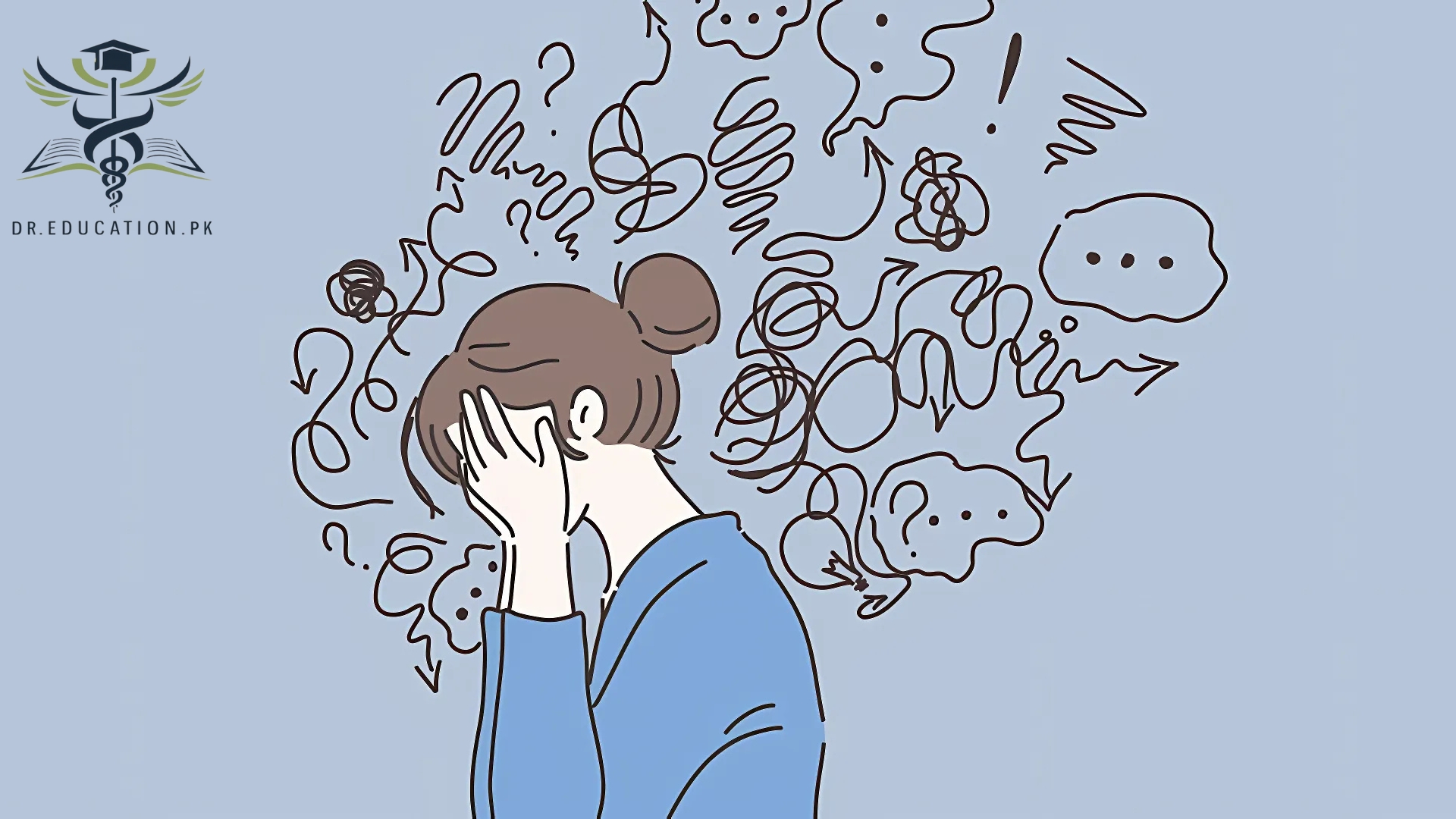
These feelings of anxiety and panic interfere with daily activities, are difficult to control, are out of proportion to the actual danger and can last a long time. You may avoid places or situations to prevent these feelings. Symptoms may start during childhood or the teen years and continue into adulthood.
Examples of anxiety disorders include generalized anxiety disorder, social anxiety disorder (social phobia), specific phobias and separation anxiety disorder. You can have more than one anxiety disorder. Sometimes anxiety results from a medical condition that needs treatment.
Types of anxiety disorders
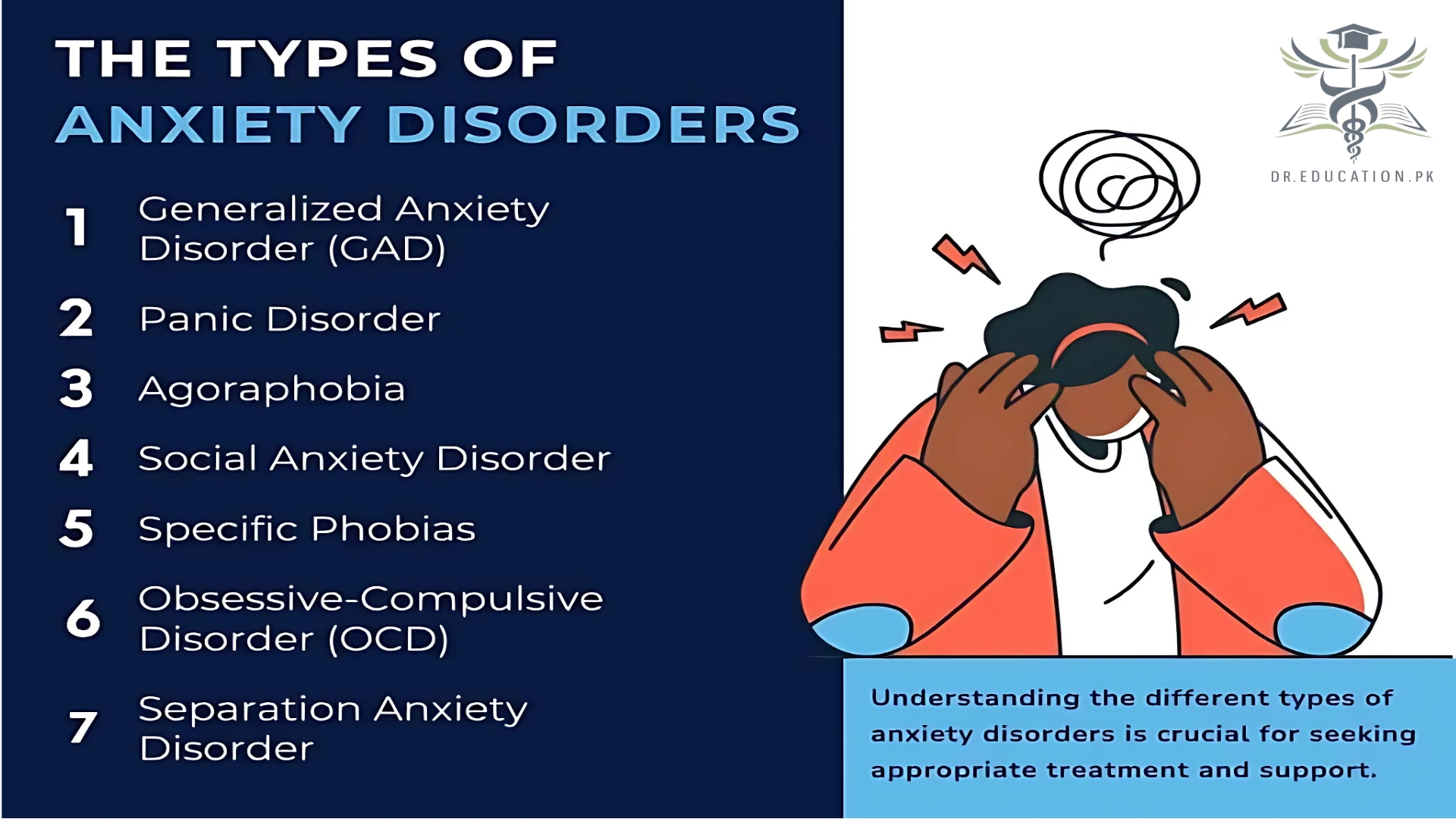
There are several types of anxiety disorders according to the American Psychiatric Association. This is the standard reference manual for diagnosing mental health conditions. Types of anxiety disorders include:
- Generalized anxiety disorder (GAD): This condition causes fear, worry and a constant feeling of being overwhelmed. It’s characterized by excessive, frequent and unrealistic worry about everyday things, such as job responsibilities, health or chores.
- Agoraphobia: This condition causes an intense fear of becoming overwhelmed or unable to escape or get help. People with agoraphobia often avoid new places and unfamiliar situations, like large, open areas or enclosed spaces, crowds and places outside of their homes.
- Panic disorder: This condition involves multiple unexpected panic attacks. A main feature of the condition is that the attacks usually happen without warning and aren’t due to another mental health or physical condition. Some people with panic disorder also have agoraphobia.
- Specific phobias: A phobia is when something causes you to feel fear or anxiety that’s so severe it consistently and overwhelmingly disrupts your life. There are hundreds of different types of phobias, and there’s one diagnosis for almost all of them: specific phobia. Only one phobia, agoraphobia, is a distinct diagnosis.
- Social anxiety disorder: This condition (formerly known as social phobia) happens when you experience intense and ongoing fear of being judged negatively and/or watched by others.
- Separation anxiety disorder: This condition happens when you feel excessive anxiety when you’re separated from a loved one, like a primary caregiver. While separation anxiety in babies and toddlers is a normal stage of development, separation anxiety disorder can affect children and adults.
- Selective mutism: This condition happens when you don’t talk in certain situations because of fear or anxiety. It usually affects young children, but it can also affect adolescents and adults.
Other mental health conditions share features with anxiety disorders. These include post-traumatic stress disorder (PTSD), acute stress disorder and obsessive-compulsive disorder (OCD). But the American Psychiatric Association classifies them as distinct conditions and not anxiety disorders.
Anxiety Disorders Symptoms
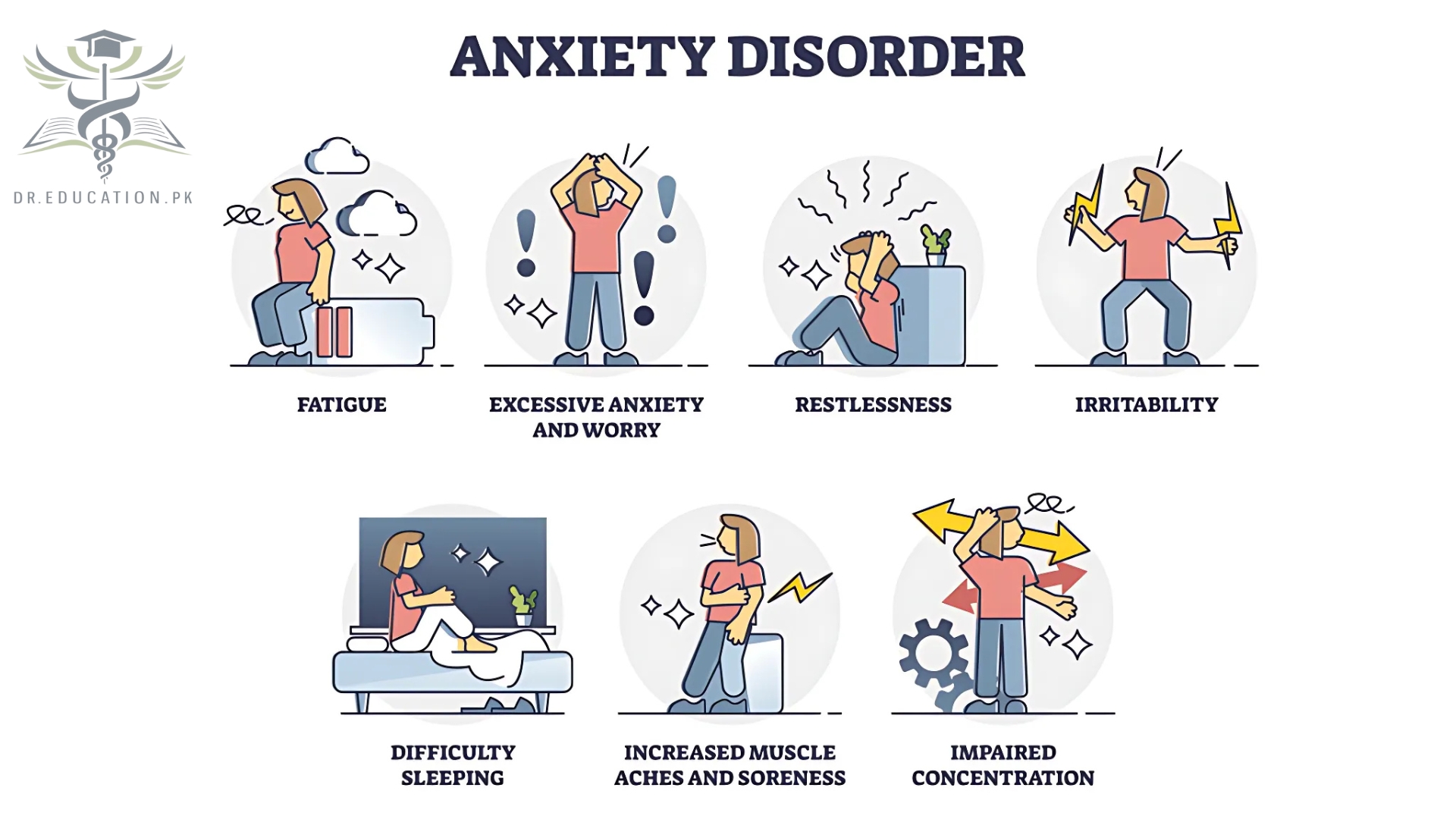
Common anxiety signs and symptoms include:
- Feeling nervous, restless or tense
- Having a sense of impending danger, panic or doom
- Having an increased heart rate
- Breathing rapidly (hyperventilation)
- Sweating
- Trembling
- Feeling weak or tired
- Trouble concentrating or thinking about anything other than the present worry
- Having trouble sleeping
- Experiencing gastrointestinal (GI) problems
- Having difficulty controlling worry
- Having the urge to avoid things that trigger anxiety
How common are anxiety disorders?
Anxiety disorders are some of the most common mental health conditions:
- Specific phobias affect up to 12% of the U.S. population.
- Social anxiety disorder affects about 7% of the U.S. population.
- Generalized anxiety disorder affects about 3% of the U.S. population.
- Agoraphobia affects up to 1.7% of the U.S. population.
- Separation anxiety disorder affects about 4% of children, 1.6% of adolescents and up to 1.9% of adults.
- Selective mutism is the least common anxiety disorder. It affects between 0.47% and 0.76% of the U.S. population.
Causes of Anxiety Disorder
There isn’t a complete understanding of where anxiety disorders come from. Some causes of anxiety disorders include:
Genetics. Anxiety disorders can run in families.
Brain chemistry. Some research suggests anxiety disorders may be linked to faulty circuits in the brain that control fear and emotions.
Environmental stress. This refers to stressful events you have seen or lived through. Life events often linked to anxiety disorders include childhood abuse and neglect, the death of a loved one, or being attacked or seeing violence.
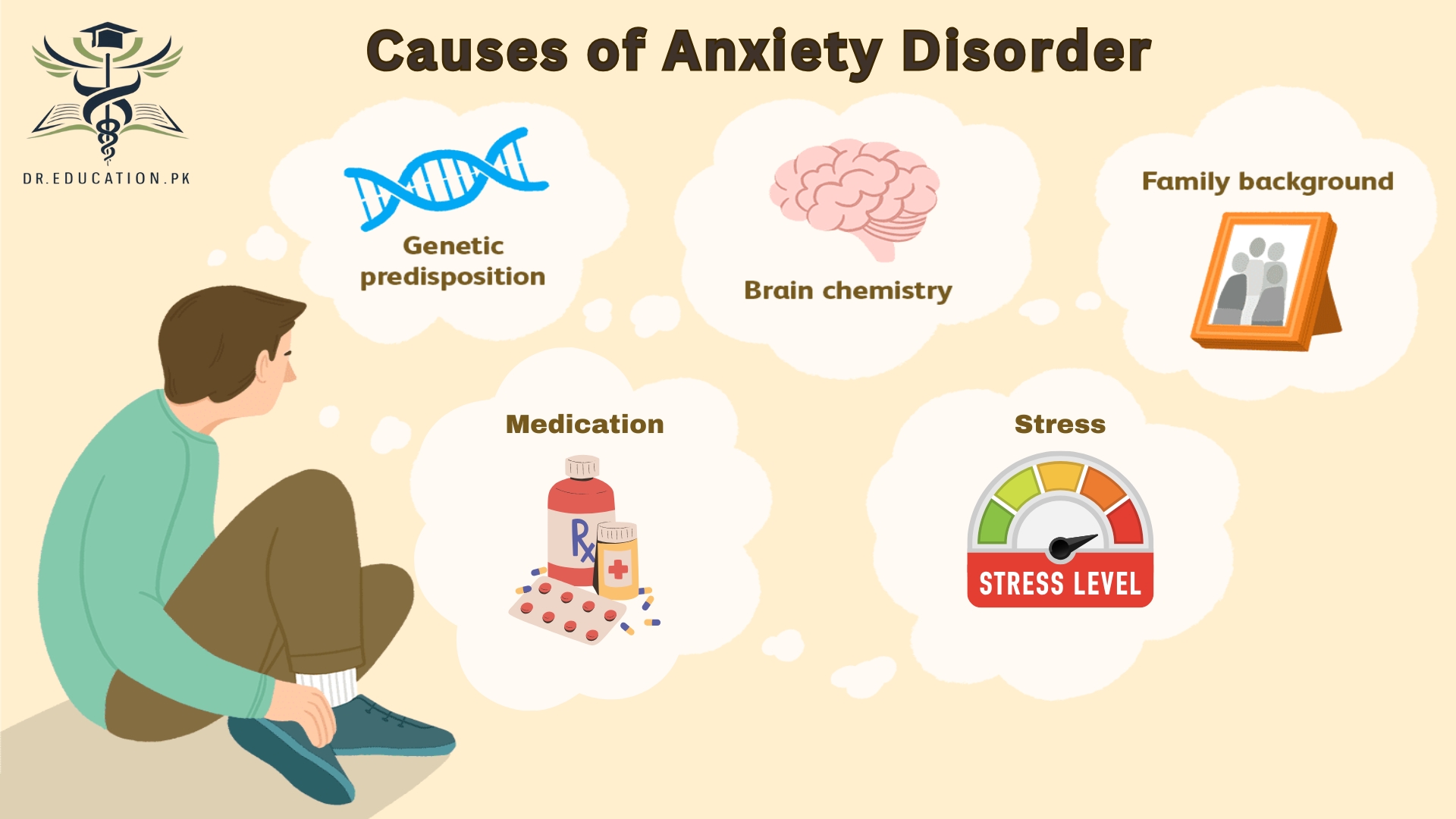
Drug or alcohol withdrawal or misuse. Certain drugs may be used to hide or decrease certain anxiety symptoms. Anxiety disorder often goes hand in hand with alcohol and substance use.
Medical conditions. Some heart, lung, and thyroid conditions can cause symptoms similar to anxiety disorders or make anxiety symptoms worse. GI disorders (such as irritable bowel syndrome), respiratory conditions (such as asthma), and tumors that create certain hormones can be linked to anxiety.
It’s important to get a full physical exam to rule out other medical conditions when talking to your doctor about anxiety. Also, anxiety symptoms can be a first signal of a medical condition.
Certain medications. Withdrawal from certain medications, such as anti-anxiety drugs, can cause anxiety symptoms.
Risk factors for Anxiety Disorders
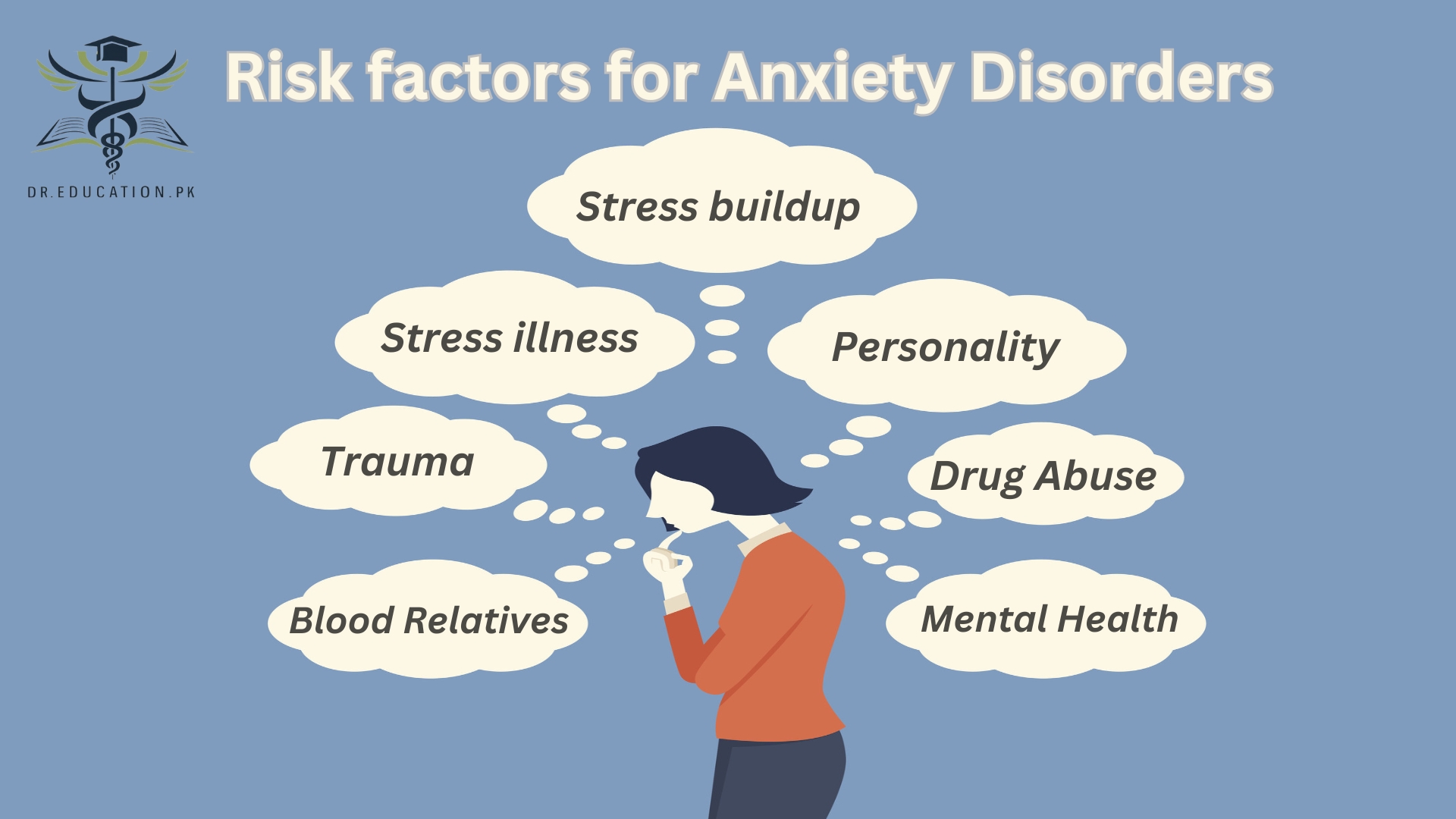
These factors may increase your risk of developing an anxiety disorder:
- Trauma. Children who endured abuse or trauma or witnessed traumatic events are at higher risk of developing an anxiety disorder at some point in life. Adults who experience a traumatic event also can develop anxiety disorders.
- Stress due to an illness. Having a health condition or serious illness can cause significant worry about issues such as your treatment and your future.
- Stress buildup. A big event or a buildup of smaller stressful life situations may trigger excessive anxiety — for example, a death in the family, work stress or ongoing worry about finances.
- Personality. People with certain personality types are more prone to anxiety disorders than others are.
- Other mental health disorders. People with other mental health disorders, such as depression, often also have an anxiety disorder.
- Having blood relatives with an anxiety disorder. Anxiety disorders can run in families.
- Drugs or alcohol. Drug or alcohol use or misuse or withdrawal can cause or worsen anxiety.
Anxiety Disorder Diagnosis
If you have symptoms, your doctor will examine you and ask questions about your medical history.
Anxiety disorder test
They may run tests to rule out other health conditions that might be causing your symptoms. No lab tests can specifically diagnose anxiety disorders.
If your doctor doesn’t find any physical reason for how you’re feeling, they may send you to a psychiatrist, psychologist, or another mental health specialist. Those doctors will ask you questions and use tools and testing to find out if you may have an anxiety disorder.
Your doctors will consider how long you’ve had symptoms and how intense they are when diagnosing you. It’s important to let your doctors or counselors know if your anxiety makes it hard to enjoy or complete everyday tasks at home, work, or school.
The United States Preventive Service Task Force recommends screening for anxiety in children and adolescents ages 8-18 years and screening for major depressive disorder (MDD) in adolescents ages 12-18 years.
Management and Treatment
How are anxiety disorders treated?
An anxiety disorder is like any other health condition that requires treatment. You can’t will it away. It’s not a matter of self-discipline or attitude. Researchers have made a lot of progress in the last few decades in treating mental health conditions. Your healthcare provider will tailor a treatment plan that works for you. Your plan may include a combination of medication and psychotherapy (talk therapy).
Medication for anxiety disorders
Medications can’t cure an anxiety disorder. But they can improve the symptoms and help you function better. Medications for anxiety disorders often include:
- Antidepressants: While they mainly treat depression, these medications can also help with anxiety disorders. They adjust how your brain uses certain chemicals to improve mood and reduce stress. Antidepressants may take some time to work, so try to be patient. SSRIs and SNRIs are the go-to types of antidepressants for anxiety. Tricyclic antidepressants are another option, but they cause more side effects.
- Benzodiazepines: This class of medications may decrease your anxiety, panic and worry. They work quickly, but you can build up a tolerance to them. They also have addiction potential, so you have to take them cautiously. Your healthcare provider may prescribe a benzodiazepine for the short term, then taper you off. Benzodiazepines that can help treat anxiety disorders include alprazolam, clonazepam, diazepam and lorazepam.
- Beta-blockers: These medications can help reduce some of the physical symptoms of anxiety disorders, like rapid heartbeat, shaking and trembling. They don’t treat the psychological aspects of anxiety disorders.
Your healthcare provider will work with you to find the right medication combination and dosage. Don’t change the dose or stop taking medications without talking to your provider first. They’ll monitor you to make sure the medicines are working without causing negative side effects.
Psychotherapy for anxiety disorders
“Psychotherapy,” also called talk therapy, is a term for a variety of treatment techniques that aim to help you identify and change unhealthy emotions, thoughts and behaviors. A mental health provider talks through strategies to help you better understand and manage an anxiety disorder. Approaches include:
- Cognitive behavioral therapy (CBT): This is the most common type of psychotherapy to help manage anxiety disorders. CBT for anxiety teaches you to recognize and identify thought patterns and behaviors that lead to troublesome feelings. You then work on changing the thoughts and your reactions to triggering situations.
- Exposure therapy: This is a type of therapy in which a mental health provider creates a safe environment to expose you to your fears. Fears may be things, situations and/or activities. Exposure therapy helps show you that you’re capable of confronting your fears. You’ll learn to attach new, more realistic beliefs to the things you’re afraid of. You’ll become more comfortable with the experience of fear.
Managing Anxiety Disorder Symptoms
These tips may help you control or lessen your symptoms:
Learn about your disorder. The more you know, the better prepared you will be to manage symptoms and problems along the way. Don’t be afraid to ask your doctor any questions you might have. Remember, you are a key part of your health care team.
Stick to your treatment plan. Suddenly stopping your meds can cause unpleasant side effects and even trigger anxiety symptoms.
Cut down on caffeine. Avoid foods and drinks containing caffeine, such as coffee, tea, cola, energy drinks, and chocolate. Caffeine is a mood-altering drug, and it may make symptoms of anxiety disorders worse.
Don’t use alcohol and recreational street drugs. Substance abuse increases your risk of anxiety disorders.
Eat right and exercise. Brisk aerobic exercises, such as jogging and biking, help release brain chemicals that cut stress and improve your mood.
Get better sleep. Sleep problems and anxiety disorder often go hand in hand. Make getting good rest a priority. Follow a relaxing bedtime routine. Talk to your doctor if you still have trouble sleeping.
Learn to relax. Stress management is an important part of your anxiety disorder treatment plan. Things like meditation or mindfulness can help you unwind after a stressful day and may make your treatment work better.
Keep a journal. Writing down your thoughts before the day is done may help you relax so you’re not tossing and turning with anxious thoughts all night.
Manage your negative thoughts. Thinking positive thoughts instead of worrisome ones can help reduce anxiety. This can be challenging if you have certain types of anxiety, however. Cognitive behavioral therapy can teach you how to redirect your thoughts.
Get together with friends. Whether it’s in person, on the phone, or on the computer, social connections help people thrive and stay healthy. People who have a close group of friends that support and chat with them have lower levels of social anxiety.
Seek support. Some people find it helpful and uplifting to talk to others who are experiencing the same symptoms and emotions. Self-help or support groups let you share your concerns and achievements with others who are or who have been there.
Complications of Anxiety Disorders
Having an anxiety disorder does more than make you worry. It can also lead to, or worsen, other mental and physical conditions, such as:
- Depression (which often occurs with an anxiety disorder) or other mental health disorders
- Substance misuse
- Trouble sleeping (insomnia)
- Digestive or bowel problems
- Headaches and chronic pain
- Social isolation
- Problems functioning at school or work
- Poor quality of life
- Suicide
World Anxiety Disorder Day
World Anxiety Day, also known as Action Anxiety Day (AAD), is celebrated on June 10 each year. The day’s purpose is to raise awareness about anxiety disorders, reduce the stigma around them, and educate people about anxiety management and treatment.
Conclusion from Dreducation.pk
In conclusion, anxiety disorders are complex mental health conditions that significantly affect individuals’ daily lives, relationships, and overall well-being. They encompass various forms, such as generalized anxiety disorder, social anxiety, panic disorder, and specific phobias, each with unique characteristics and challenges.
Understanding the causes, symptoms, and treatments for anxiety disorders is crucial in managing and improving mental health. From medical conditions to environmental stress and genetics, several factors contribute to the development of anxiety disorders. Effective management includes a combination of psychotherapy, medication, lifestyle changes, and strong support systems.
With timely intervention and treatment, individuals can learn to control symptoms, improve their quality of life, and reduce the risk of complications. Mental health is a journey, and seeking help is the first and most critical step toward recovery.