Splenomegaly (Enlarged Spleen)
According to Wikipedia,
Splenomegaly is an enlargement of the spleen. The spleen usually lies in the left upper quadrant (LUQ) of the human abdomen.
Splenomegaly is one of the four cardinal signs of hypersplenism which include:
some reduction in number of circulating blood cells affecting granulocytes, erythrocytes or platelets in any combination; a compensatory proliferative response in the bone marrow; and the potential for correction of these abnormalities by splenectomy.
Overview
What Is a Spleen?
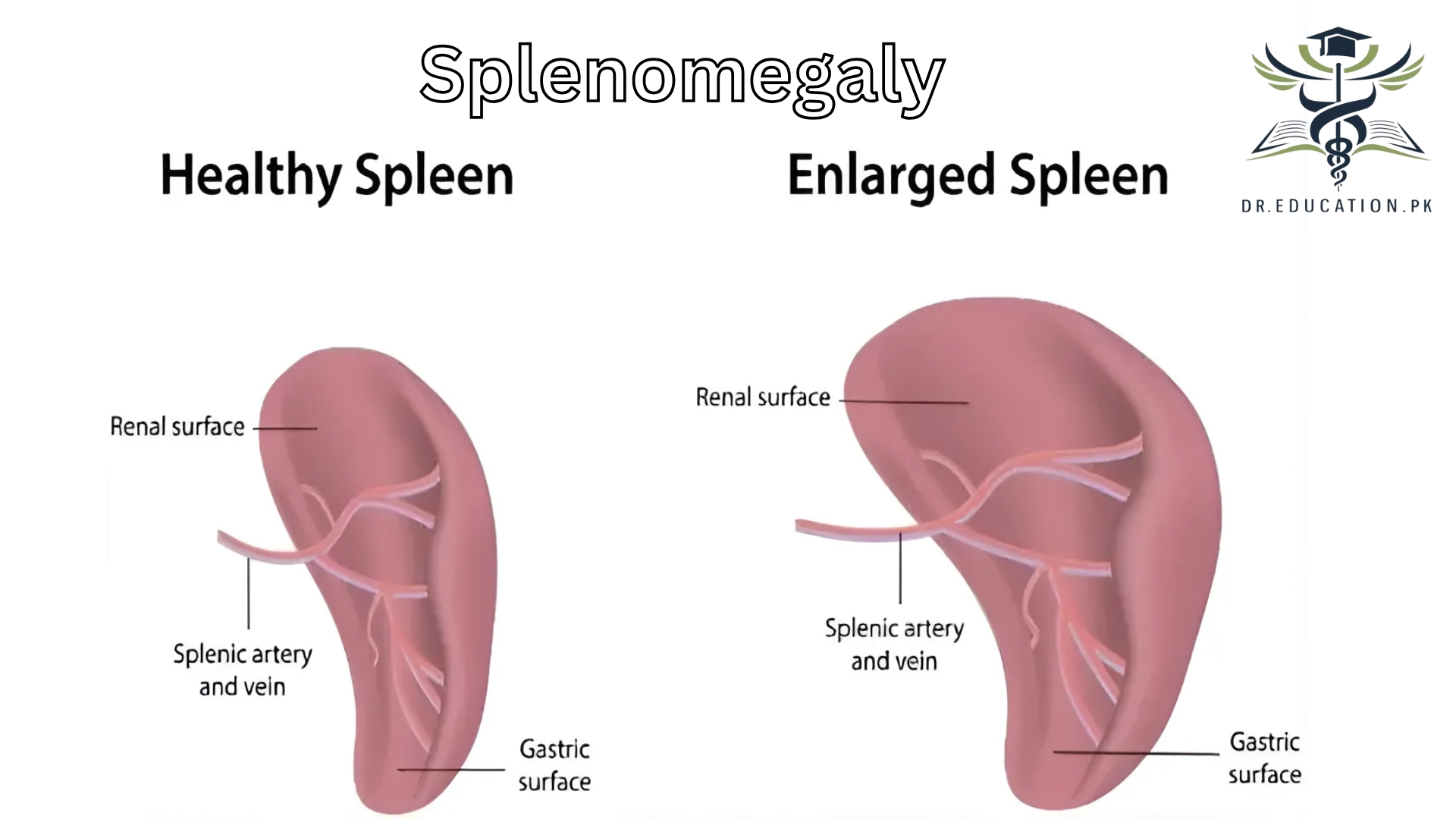
Your spleen sits under your rib cage in the upper left part of your abdomen toward your back. This organ helps filter your blood, trapping old and damaged red blood cells. It also contains white blood cells, which are an important part of your immune system and help fight off infections.
What is an enlarged spleen (splenomegaly)?
Your spleen is a normally fist-sized organ that’s located on the upper left side of your abdomen, under your left ribcage. Your spleen belongs to your lymphatic system and your immune system. It filters your blood, removes waste products and produces white blood cells to fight infections. Conditions affecting the spleen itself or the blood that passes through it can cause it to become swollen and enlarged.
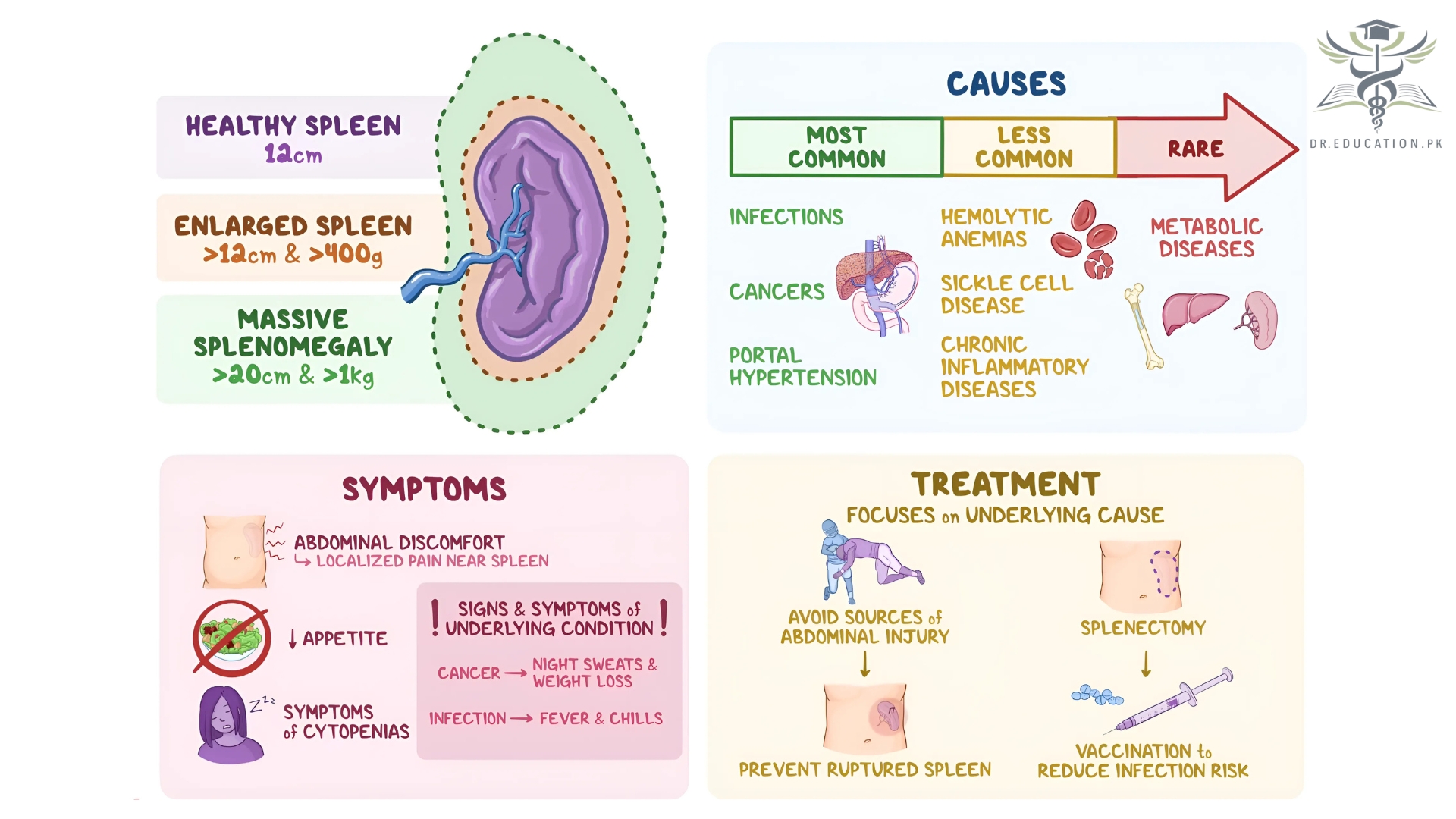
A normal, healthy spleen is up to 12 cm long and 70 g in weight. An enlarged spleen may be up to 20 cm long and can weigh more than 1,000 g. Several things can cause your spleen to enlarge, including inflammation, fat storage, pooled blood, benign or malignant growths and overproduction of cells. Some causes are temporary and others may indicate a chronic or progressive condition.
Symptoms of Enlarged spleen
An enlarged spleen typically causes no signs or symptoms, but sometimes it causes:
- Pain or fullness in the left upper belly that can spread to the left shoulder
- A feeling of fullness without eating or after eating a small amount because the spleen is pressing on your stomach
- Low red blood cells (anemia)
- Frequent infections
- Bleeding easily
What are Causes of Enlarged spleen?
Common causes include:
- Infections. Viral infections such as mononucleosis and HIV, bacterial infections such as tuberculosis and endocarditis and parasite infections such as malaria and toxoplasmosis stress the immune function of the spleen. They can cause it to overproduce antibodies and immune cells (hyperplasia).
- Liver disease. Conditions affecting the liver, such as chronic hepatitis or cirrhosis, can cause pressure to build up in the blood vessels that run through the liver and spleen (portal hypertension). Vascular pressure can cause blood to pool and cause your spleen to enlarge.
Other possible causes include:
- Cancer. Blood cancers such as leukemia or myeloproliferative neoplasms (MPNs) and lymphomas can infiltrate the spleen with foreign cells that continue to multiply.
- Focal lesions. Benign growths such as a cyst or abscess, as well as metastatic cancer that spreads from somewhere else, can enlarge the spleen.
- Autoimmune diseases. Chronic inflammatory conditions such as lupus, sarcoidosis and rheumatoid arthritis can cause an overactive immune response and spleen hyperplasia.
- Blood disorders. Conditions such as hemolytic anemia and neutropenia that cause early destruction of red blood cells can overload the spleen, whose job is to remove them.
- Inherited metabolic disorders. Conditions that cause various substances to build up in your blood and store in your organs, such as Niemann-Pick disease, Gaucher disease and sickle cell disease, can infiltrate the spleen.
- Thrombosis. A blood clot that blocks one of the vessels in your liver or spleen can cause pressure and blood to build up in your spleen.
Enlarged Spleen Complications
Getting treatment for an enlarged spleen quickly can prevent some of these complications:
- Tissue death: If your spleen gets very large, your blood vessels might not be able to supply enough blood to keep the tissues alive.
- Hypersplenism: A very large spleen can become overactive. When this happens it might remove too many blood cells from your body, which can cause anemia — a condition in which you don’t have enough red blood cells. It can also lower your levels of white blood cells (which are important for your immune system) and platelets (which help your blood clot).
- Rupture: If your spleen gets too large, it could rupture or burst. This could happen suddenly, or it could be caused by an impact. A ruptured spleen can cause a lot of blood loss and be life-threatening.
Enlarged spleen Risk factors
Anyone can develop an enlarged spleen at any age, but certain groups are at higher risk, including:
- Children and young adults with infections, such as mononucleosis
- People who have Gaucher disease, Niemann-Pick disease, and several other inherited metabolic disorders affecting the liver and spleen
- People who live in or travel to areas where malaria is common
Enlarged Spleen Diagnosis
Your doctor will ask you questions and do a physical exam to diagnose an enlarged, painful spleen. This involves palpating (examining by touch) your spleen. You will also likely need tests to confirm the cause of your swollen spleen, such as:
- Blood tests to check blood cell count and see how your liver is working
- An ultrasound or CT scan to see the size of your spleen and whether it’s getting too close to other organs
- An MRI to see how blood is flowing through your spleen
- Bone marrow analysis. Your provider might take a bone marrow aspiration and/or bone marrow biopsy to test the blood cell content in your bone marrow tissues. This can give them information about how your spleen is functioning and can indicate certain disorders.
Enlarged spleen Treatment
Treatment for an enlarged spleen focuses on the what’s causing it. For example, if you have a bacterial infection, treatment will include antibiotics.
Watchful waiting
If you have an enlarged spleen but don’t have symptoms and the cause can’t be found, your doctor might suggest watchful waiting. You see your doctor for re-evaluation in 6 to 12 months or sooner if you develop symptoms.
Spleen removal surgery
If an enlarged spleen causes serious complications or the cause can’t be identified or treated, surgery to remove your spleen (splenectomy) might be an option. In chronic or critical cases, surgery might offer the best hope for recovery.
Elective spleen removal requires careful consideration. You can live an active life without a spleen, but you’re more likely to get serious or even life-threatening infections after spleen removal.
Reducing infection risk after surgery
After spleen removal, certain steps can help reduce your risk of infection, including:
- A series of vaccinations before and after the splenectomy. These include the pneumococcal (Pneumovax 23), meningococcal and haemophilus influenzae type b (Hib) vaccines, which protect against pneumonia, meningitis and infections of the blood, bones and joints. You’ll also need the pneumococcal vaccine every five years after surgery.
- Taking penicillin or other antibiotics after your surgery and anytime you or your doctor suspects the possibility of an infection.
- Calling your doctor at the first sign of a fever, which could indicate an infection.
- Avoiding travel to parts of the world where certain diseases, such as malaria, are common.
Lifestyle and home remedies
Avoid contact sports — such as soccer, football and hockey — and limit other activities as recommended to reduce the risk of a ruptured spleen.
It’s also important to wear a seat belt. If you’re in a car accident, a seat belt can help protect your spleen.
Finally, be sure to keep your vaccinations up to date because your risk of infection is increased. That means at least an annual flu shot, and a tetanus, diphtheria and pertussis booster every 10 years. Ask your doctor if you need other vaccines.
When to See a Doctor: Enlarged Spleen (Splenomegaly)
You should see a doctor if you experience any of the following symptoms or risk factors:
Symptoms to Watch For
- Pain or discomfort in the upper left abdomen, which may radiate to your left shoulder.
- A feeling of fullness after eating small amounts of food.
- Fatigue, weakness, or symptoms of anemia (e.g., pale skin, shortness of breath).
- Frequent or unusual infections.
- Easy bruising or excessive bleeding.
- Unexplained weight loss or persistent fever.
Seek Immediate Medical Attention If:
- You have sudden, severe pain in the upper left abdomen.
- You experience symptoms of internal bleeding, such as dizziness, rapid heartbeat, or low blood pressure, especially after trauma.
If You Are in a High-Risk Group
- Frequent infections: Children, young adults, or those with conditions like mononucleosis.
- Chronic conditions: Liver diseases, autoimmune diseases, or inherited metabolic disorders.
- Travel to areas with malaria or other tropical infections.
Why It’s Important
- Early medical evaluation can help diagnose and address the underlying cause of splenomegaly, preventing complications like spleen rupture or excessive destruction of blood cells (hypersplenism).
Living With
How should I take care of myself if I have an enlarged spleen?
If you have a chronically enlarged spleen, be careful to avoid trauma to your abdomen. An enlarged spleen is more vulnerable to rupture. It’s best to avoid high-contact sports. Your spleen may also be at risk of losing its functionality, or of becoming overactive. Look out for signs of anemia, such as paleness and fatigue. Your healthcare provider may want to check your blood levels periodically.
Are there particular foods to avoid with an enlarged spleen?
Healthcare providers aren’t sure if your diet directly affects your spleen, but it does affect your overall health. If you have an enlarged spleen, you can consider yourself immunocompromised. A healthy diet is one of the easiest ways to help protect your immunity. It may also influence the underlying health conditions that are causing your enlarged spleen, especially inflammatory conditions and liver disease.
Healthcare providers will always recommend that you avoid or minimize fast and processed foods, including packaged snacks, sweets and deli meats. These foods are highly inflammatory, and they promote LDL cholesterol, which is bad for your liver and metabolism. An anti-inflammatory diet emphasizes fresh, whole foods and unsaturated fats, such as those found in fish and nuts.
Conclusion from Dreducation.pk
Splenomegaly, or an enlarged spleen, is a condition that often stems from infections, liver diseases, blood disorders, or immune system dysfunctions. While it may not always present noticeable symptoms, its complications, such as tissue death, hypersplenism, or rupture, highlight the importance of early detection and treatment.
To safeguard your health, seek medical advice if you experience unexplained abdominal discomfort, anemia-related fatigue, frequent infections, or other signs linked to splenomegaly. Regular check-ups and lifestyle precautions, such as avoiding abdominal trauma, maintaining a healthy diet, and staying up-to-date with vaccinations, can help manage risks and improve overall well-being.
If necessary, medical interventions, including antibiotics or surgery, can address the underlying cause and prevent complications. By remaining proactive about your health, you can better navigate life with or without a spleen.