HIV & AIDS
According to WHO,
Human immunodeficiency virus (HIV) is a virus that attacks the body’s immune system. Acquired immunodeficiency syndrome (AIDS) occurs at the most advanced stage of infection.
HIV targets the body’s white blood cells, weakening the immune system. This makes it easier to get sick with diseases like tuberculosis, infections and some cancers.
Overview
HIV & AIDS
HIV (human immunodeficiency virus) is a virus that damages the cells in your immune system and weakens your ability to fight everyday infections and disease.
AIDS (acquired immune deficiency syndrome) is the name used to describe a number of potentially life-threatening infections and illnesses that happen when your immune system has been severely damaged by the HIV virus.
While AIDS cannot be transmitted from 1 person to another, the HIV virus can.
There’s currently no cure for HIV, but there are very effective drug treatments that enable most people with the virus to live a long and healthy life.
With an early diagnosis and effective treatments, most people with HIV will not develop any AIDS-related illnesses and will live a near-normal lifespan.
What’s the difference between HIV and AIDS?
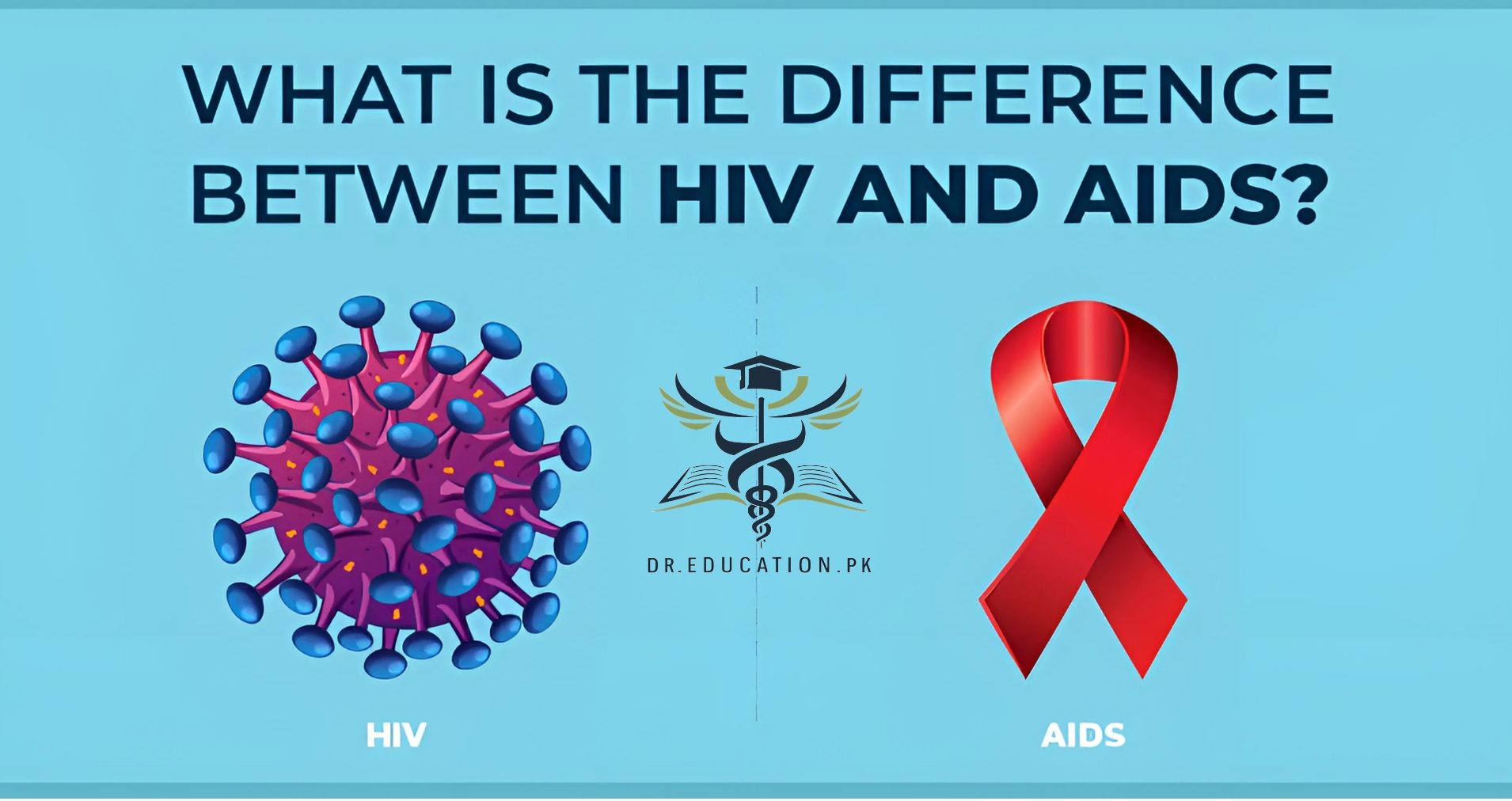
The difference between HIV and AIDS is that HIV is a virus that weakens your immune system. AIDS is a condition that can happen as a result of an HIV infection when your immune system is severely weakened.
You can’t get AIDS if you aren’t infected with HIV. Thanks to treatment that slows down the effects of the virus, not everyone with HIV progresses to AIDS. But without treatment, almost all people living with HIV will advance to AIDS.
What’s a retrovirus?
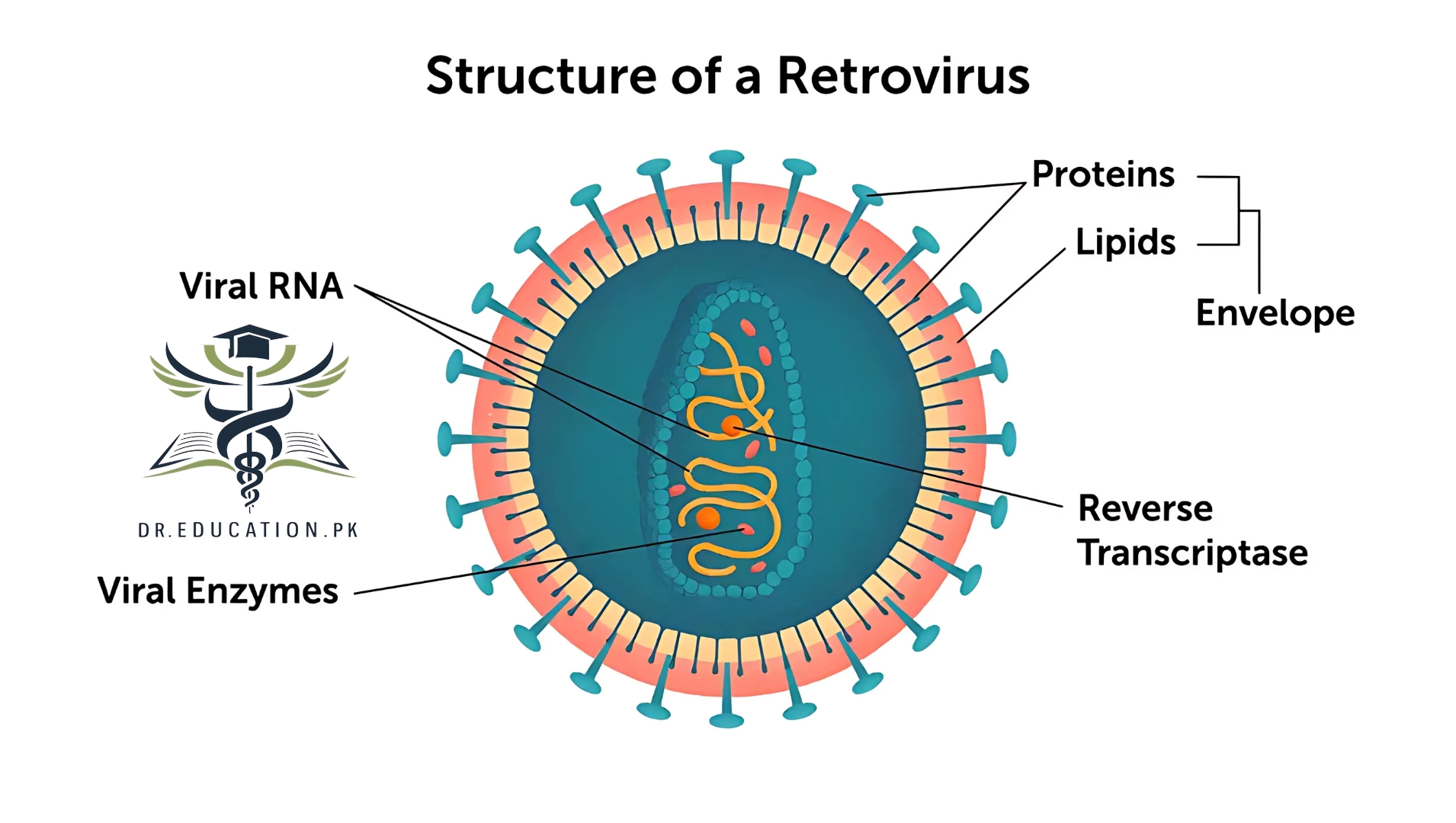
A retrovirus is a virus that works backward from the way human cells do. Human cells have instructions (DNA) that send a message (RNA) to make building blocks for your body (proteins).
Retroviruses have their instructions written on RNA. When a retrovirus invades your cells, it changes its RNA to look like your cells’ instructions (DNA). Then it cuts your cells’ DNA and inserts its instructions into them. Your cell then acts as though the virus’ instructions are its own.
HIV is a retrovirus. All viruses invade your cells and then use your cells’ “machinery” to make more copies of themselves. HIV not only uses your cells to make more of itself, but it also inserts its instructions into your DNA.
How HIV spreads
You can get infected with HIV if infected blood, semen or fluids from a vagina enter your body. This can happen when you:
- Have sex. You may become infected if you have vaginal or anal sex with an infected partner. Oral sex carries less risk. The virus can enter your body through mouth sores or small tears that can happen in the rectum or vagina during sex.
- Share needles to inject illicit drugs. Sharing needles and syringes that have been infected puts you at high risk of HIV and other infectious diseases, such as hepatitis.
- Have a blood transfusion. Sometimes the virus may be transmitted through blood from a donor. Hospitals and blood banks screen the blood supply for HIV So this risk is small in places where these precautions are taken. The risk may be higher in resource-poor countries that are not able to screen all donated blood.
- Have a pregnancy, give birth or breastfeed. Pregnant people who have HIV can pass the virus to their babies. People who are HIV positive and get treatment for the infection during pregnancy can greatly lower the risk to their babies.
How common is HIV?
The number of new HIV infections has declined. In 2019, 1.2 million people in the US were living with HIV. About 13% of those don’t know they have it, which is why routine testing for HIV is important.
Symptoms and Causes
What are the symptoms of HIV?
You can have HIV without having any symptoms. This is why it’s important to get tested even if you don’t feel sick.
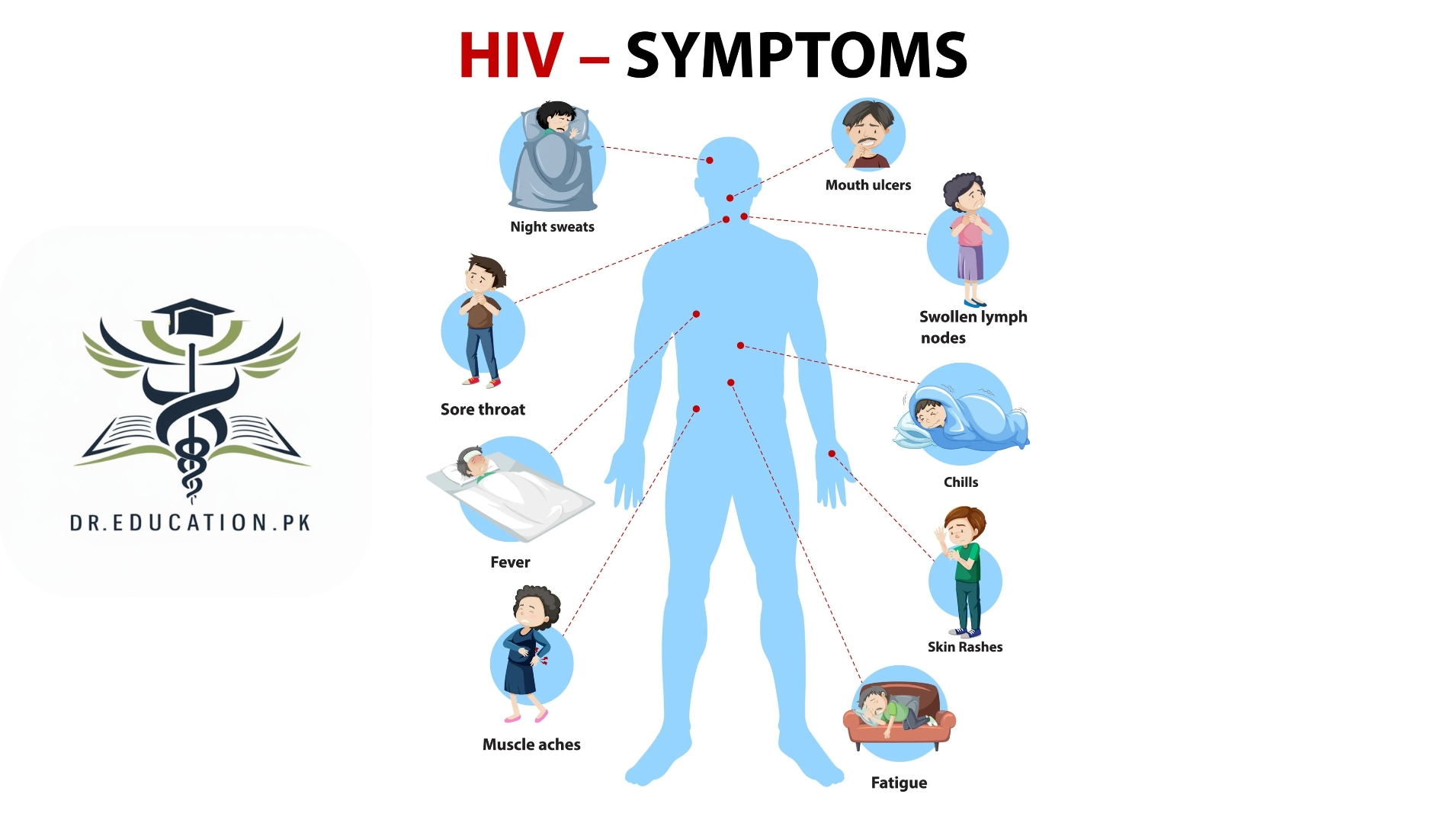
Sometimes you’ll have flu-like symptoms when you first get infected with HIV. These can include:
-
- Fever.
- Chills.
- Fatigue.
- Sore throat.
- Muscle aches.
- Night sweats.
- Rash.
- Swollen lymph nodes.
- Mouth sores.
What are the stages of HIV?
HIV (Human Immunodeficiency Virus) progresses through several stages, each with varying degrees of severity and impact on the immune system. Understanding these stages is crucial for proper treatment and management. Here are the three main stages of HIV:
1. Acute HIV Infection (Stage 1)
- Timing: Typically occurs 2 to 4 weeks after initial exposure to the virus.
- Symptoms: Often resembles flu-like symptoms, including fever, sore throat, rash, muscle aches, and swollen lymph nodes. Some may not experience symptoms at all.
- Viral Load: During this stage, the virus multiplies rapidly, and the viral load (amount of HIV in the blood) is very high, making the person highly infectious.
- CD4 Cell Count: The immune system begins to respond by producing antibodies, but the CD4 (immune cells) count starts to decrease.
- Key Feature: It’s the earliest stage and may be referred to as “primary” or “acute” infection. Many people are unaware they are infected at this point.
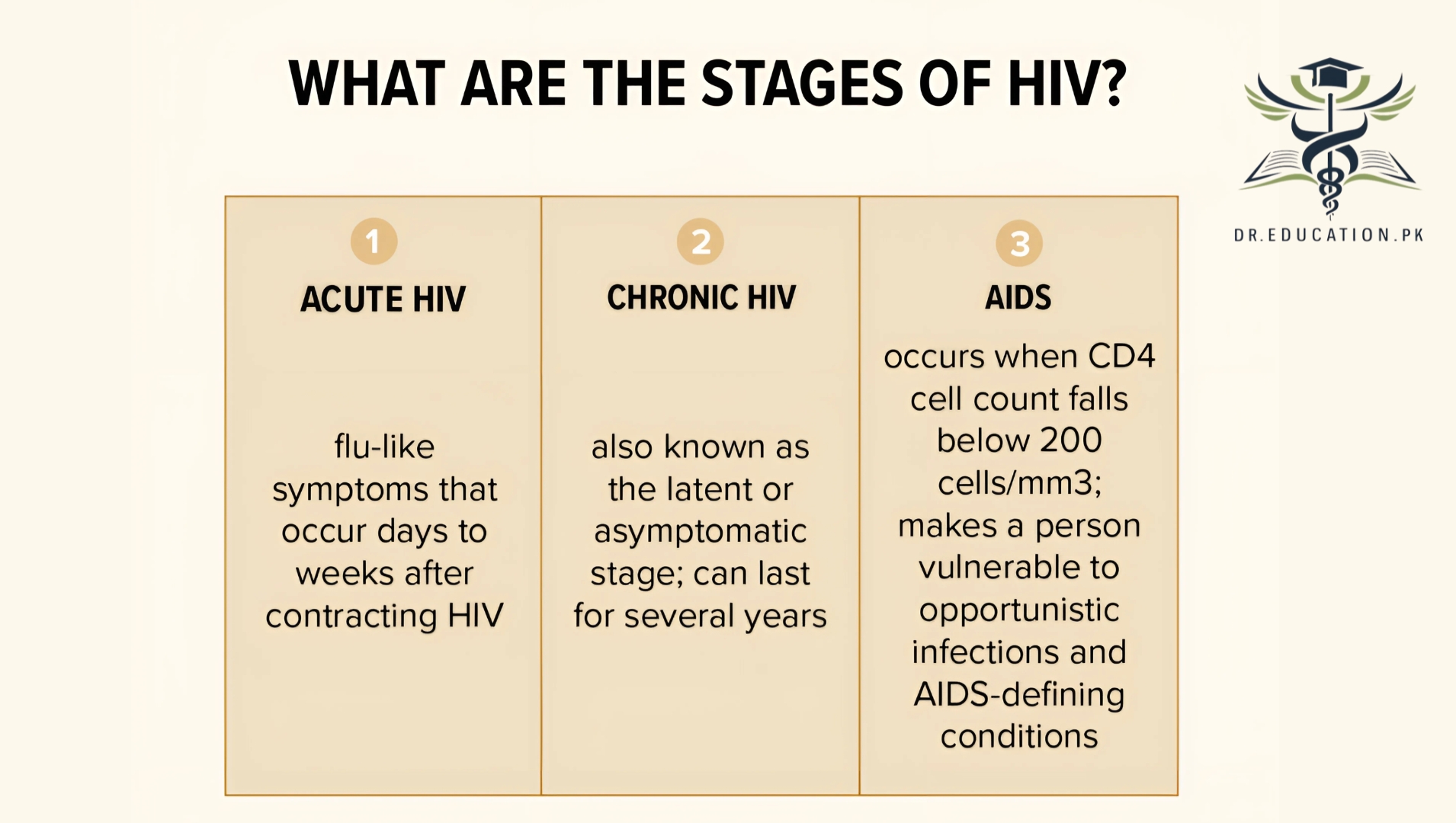
2. Chronic HIV Infection (Clinical Latency Stage)
- Timing: Can last for several years (up to a decade or longer) without treatment.
- Symptoms: Often asymptomatic, though some may experience mild symptoms. HIV continues to reproduce at low levels but is still active.
- Viral Load: The viral load is lower than in the acute stage, but the virus is still active. People are less likely to transmit the virus during this stage than in the acute phase, but transmission is still possible.
- CD4 Cell Count: Continues to decrease gradually over time.
- Key Feature: With antiretroviral therapy (ART), this stage can be prolonged for decades, with the virus kept under control and minimal symptoms.
3. AIDS (Acquired Immunodeficiency Syndrome)
- Timing: This stage occurs if HIV is untreated and the immune system becomes severely damaged.
- Symptoms: Severe weight loss, persistent fever, fatigue, chronic diarrhea, night sweats, and opportunistic infections (such as tuberculosis, pneumonia, and certain cancers).
- Viral Load: Very high, and the person is extremely infectious.
- CD4 Cell Count: Falls below 200 cells per cubic millimeter of blood (normal range is 500–1,600), making the body susceptible to opportunistic infections.
Key Feature: AIDS is the most severe phase of HIV infection and is life-threatening without treatment. However, with proper treatment, most people with HIV never develop AIDS.
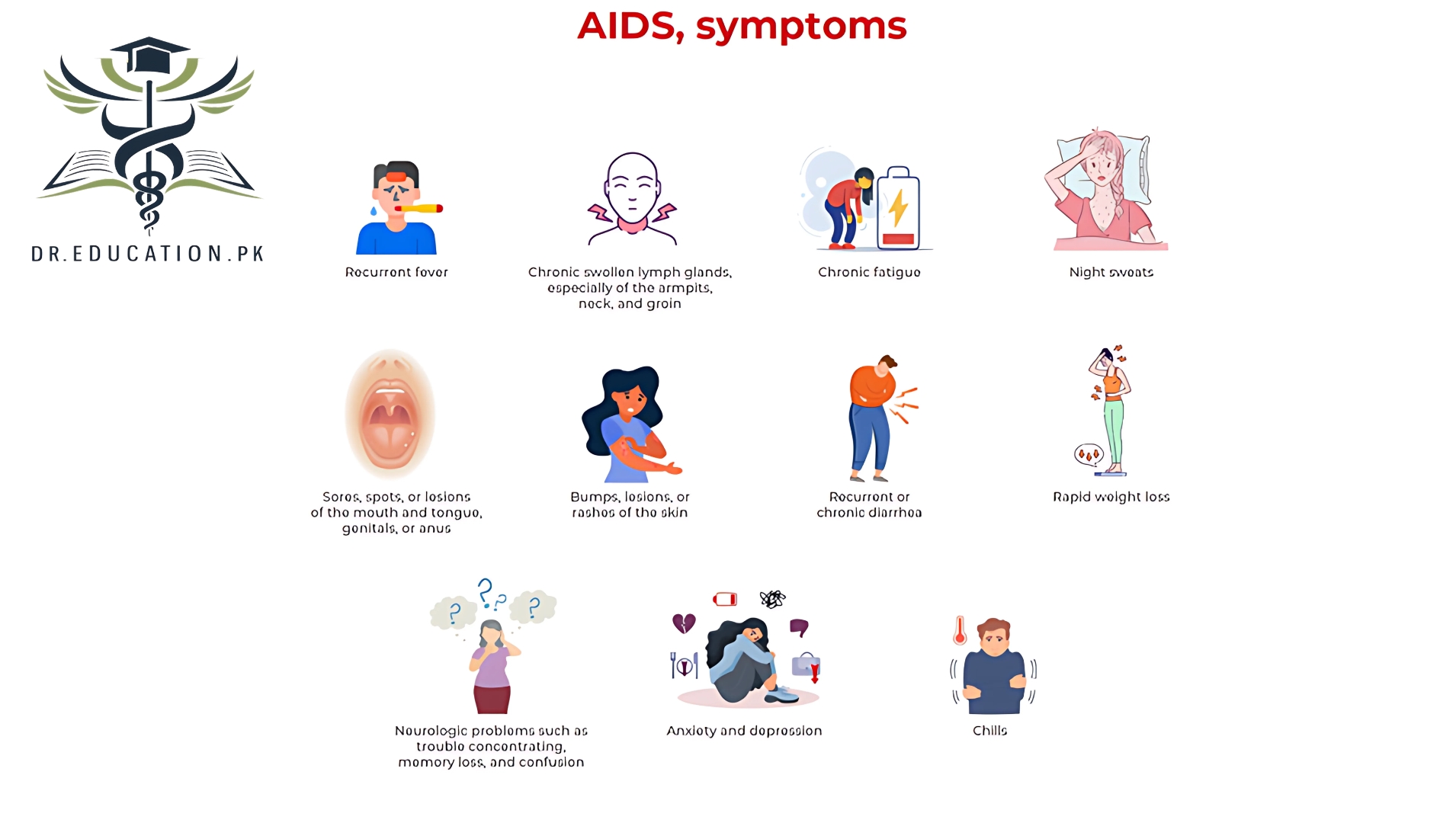
What are the symptoms of AIDS?
Symptoms of AIDS can be caused by HIV infection, but many are from illnesses that take advantage of your weakened immune system.
How is HIV/AIDS caused?
HIV is caused by the human immunodeficiency virus. The virus attacks the helper T-cells of your immune system, leaving it weakened.
AIDS is caused by having too few immune cells to fight off other illnesses.
Can you get HIV from kissing?
Since HIV is not spread through spit, kissing is not a common way to get infected. In certain situations where other body fluids are shared, such as if both people have open sores in their mouths or bleeding gums, there is a chance you could get HIV from deep, open-mouthed kissing.
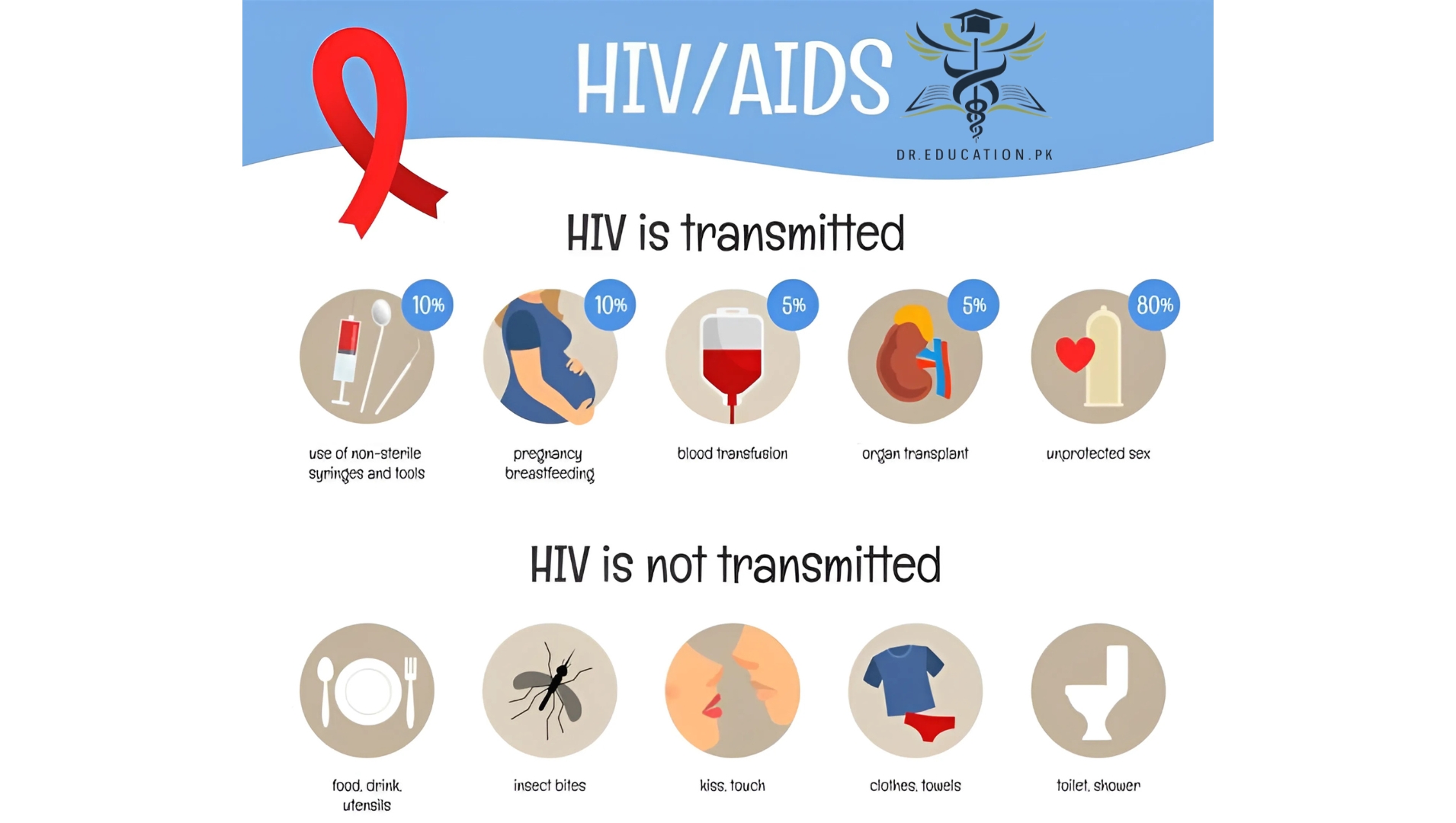
You also don’t get HIV from:
-
- Touching or hugging someone who has HIV/AIDS.
- Public bathrooms or swimming pools.
- Sharing cups, utensils or telephones with someone who has HIV/AIDS.
- Bug bites.
- Donating blood.
Diagnosis and Tests
HIV diagnosis involves testing for the presence of the virus in the body. The earlier the diagnosis, the better the chances of managing the condition with treatment. Here are the main methods used to diagnose HIV:
1. HIV Antibody Tests (Standard and Rapid Tests)
These tests detect antibodies produced by the immune system in response to HIV infection. The body typically takes several weeks to produce detectable levels of antibodies after infection.
- Standard Antibody Test (ELISA or EIA): A laboratory-based test that involves drawing blood and sending it to a lab for analysis. Results usually take a few days.
- Rapid Antibody Test: A finger prick or oral swab test that provides results in 20 to 30 minutes. These are often used in clinics, community health centers, or at-home testing kits.
- Window Period: It can take 3 to 12 weeks after exposure for enough antibodies to be detected. A negative result during this period may require a follow-up test.
2. HIV Antigen/Antibody Combination Test (4th Generation Test)
This test looks for both HIV antibodies and p24 antigens, which appear earlier than antibodies after infection. This test is more accurate and can detect HIV as early as 2 to 4 weeks after exposure.
- Blood Test: A sample is sent to the lab, and results usually take a few days.
- Advantages: It can detect HIV infection earlier than antibody tests alone.
3. Nucleic Acid Test (NAT)
NAT detects the actual presence of the HIV virus (HIV RNA) in the blood and can identify infection within 1 to 4 weeks after exposure. It’s more expensive and is usually reserved for high-risk cases or if someone has early symptoms of acute HIV infection.
- Procedure: A blood sample is taken and sent to a lab for analysis.
- Advantages: Highly accurate and detects HIV in the earliest stages of infection, even before antibodies or antigens are present.
4. Home HIV Testing Kits
There are two types of at-home HIV tests:
- Rapid Self-Test: Uses an oral swab and provides results in about 20 minutes. It’s similar to the rapid test conducted in clinics.
- Mail-in Self-Test: Involves collecting a blood sample via a finger prick and mailing it to a lab. The results are usually available in a few days.
- Advantages: Convenient and private, but a positive result should always be confirmed with a healthcare provider.
5. Confirmatory Testing
- If any initial test (rapid or laboratory-based) comes back positive, a confirmatory test (like a Western blot or immunofluorescence assay) is done to ensure accuracy and rule out false positives.
6. Follow-Up Testing (If Needed)
- Post-Exposure Testing: If you’ve had a possible exposure to HIV, follow-up testing may be necessary at 3 months and 6 months after the potential exposure to ensure accurate results.
CD4 Count and Viral Load Testing: Once diagnosed, these tests help monitor the progression of HIV and the effectiveness of treatment.
Management and Treatment
Is there a cure for HIV?
There is currently no cure for HIV, but there are many treatment options that can slow the progression of HIV significantly.
How is HIV treated?
HIV is treated with a combination of medicines (pills) taken by mouth every day. This combination of pills is called antiretroviral therapy (ART).
Taking a combination of types of pills, rather than just one, is the most effective way to keep HIV from multiplying and destroying your cells. There are also combination pills that have several medications in a single pill. Your healthcare provider will carefully select a combination specifically for you.
The goal of ART is to reduce HIV in the blood (viral load) to an amount that’s not detectable by an HIV test and to slow HIV’s weakening of your immune system.
Medications used to treat HIV
Each type of pill used in ART has a different way of keeping HIV from making more copies of itself or from infecting your cells. There can be many different brand names of the same type of ART drug.
Types of ART medications include:
- Nucleoside reverse transcriptase inhibitors (NRTIs).
- Non-nucleoside reverse transcriptase inhibitors (NNRTIs).
- Protease inhibitors (PIs).
- Fusion inhibitors.
- CCR5 antagonists.
- Integrase strand transfer inhibitors (INSTIs).
- Attachment inhibitors.
- Post-attachment inhibitors.
- Pharmacokinetic enhancers.
- Combination of HIV medicines.
How can I take care of myself while living with HIV?
It’s very important to take your medications as prescribed and to make sure you don’t miss appointments. This is called treatment adherence.
If you miss medications, even by accident, HIV can change how it infects your cells (mutate), potentially causing your medications to stop working. If your schedule prevents you from taking medications on time or making it to appointments, talk to your healthcare provider.
Lifestyle and home remedies
Besides getting medical treatment, you need to take an active role in your own care. The following may help you stay healthy longer:
- Eat healthy foods. Fresh fruits and vegetables, whole grains, and lean protein help keep you strong, give you more energy and support your immune system. Eat enough calories to keep your weight stable.
- Avoid raw meat, eggs and more. Foodborne illnesses can be severe in people who are infected with HIV Cook meat until it’s well done. Don’t use dairy products that aren’t treated for bacteria, called pasteurized. Don’t eat raw eggs and raw seafood such as oysters, sushi or sashimi. Don’t drink water you don’t know is safe.
- Get the right vaccinations. These may prevent common infections such as pneumonia, influenza, COVID-19 and Mpox. Your healthcare professional also may suggest other vaccinations, including those for HPV hepatitis A and hepatitis B. Vaccines that don’t have live viruses mostly are safe. But most vaccines with live viruses are not safe because of your weakened immune system.
- Take care with pets. Some animals may carry parasites that can cause infections in people who are HIV positive. Cat stool can cause toxoplasmosis, reptiles can carry salmonella, and birds can carry cryptococcus or histoplasmosis. Wash hands thoroughly after handling pets or emptying litter boxes.
When to see a Doctor?
You should see a doctor for HIV testing and evaluation in the following situations:
1. After Possible Exposure to HIV
- If you think you’ve been exposed to HIV, it’s crucial to see a doctor as soon as possible, ideally within 72 hours. In such cases, doctors may prescribe post-exposure prophylaxis (PEP), which can reduce the risk of contracting HIV if started early.
- Situations of possible exposure include:
- Unprotected sex with an HIV-positive or unknown-status partner.
- Sharing needles or syringes for drug use.
- Exposure to blood or body fluids, especially in healthcare settings.
- Sexual assault.
2. If You Experience Symptoms of Acute HIV Infection
- Symptoms of acute HIV infection (which may appear 2 to 4 weeks after exposure) resemble flu-like symptoms and include:
- Fever
- Fatigue
- Rash
- Sore throat
- Swollen lymph nodes
- Night sweats
- Muscle and joint pain
- These symptoms are often mistaken for other illnesses, so if you’ve had possible exposure to HIV and experience these symptoms, see a doctor for testing.
3. Regular Testing for High-Risk Individuals
- If you engage in high-risk behaviors, regular testing is important to monitor your health. You should consider seeing a doctor if you:
- Have multiple sexual partners.
- Engage in unprotected sex with partners of unknown HIV status.
- Share needles or equipment for injecting drugs.
- Are a sex worker or engage in transactional sex.
- Are a man who has sex with men (MSM) and do not use protection regularly.
- The CDC recommends annual testing for individuals in high-risk groups, but testing every 3 to 6 months may be advisable in certain situations.
4. If You Are Pregnant or Planning Pregnancy
- If you are pregnant or planning to become pregnant, get tested for HIV early in your pregnancy or before conception. HIV can be transmitted from mother to child during pregnancy, childbirth, or breastfeeding, but early diagnosis and treatment can significantly reduce this risk.
5. If You’ve Been Diagnosed with Another Sexually Transmitted Infection (STI)
- Having other STIs like gonorrhea, chlamydia, or syphilis can increase your risk of HIV infection. If you’ve been diagnosed with an STI, it’s essential to be tested for HIV and see a doctor for a full evaluation.
6. To Begin or Manage HIV Prevention Medication (PrEP)
- If you are at risk for HIV but haven’t been exposed, talk to a doctor about pre-exposure prophylaxis (PrEP). This daily medication can significantly reduce the risk of HIV infection.
- If you’re already on PrEP, regular follow-up appointments are necessary to monitor your health and ensure you’re taking the medication correctly.
7. If You Receive a Positive HIV Test
- A positive HIV test requires immediate follow-up with a healthcare provider for further testing and to begin antiretroviral therapy (ART). Early treatment is crucial to controlling the virus and maintaining your health.
8. If You’ve Been Diagnosed with HIV and Need Treatment Monitoring
- After an HIV diagnosis, regular visits with a doctor are important for monitoring your CD4 count, viral load, and overall health. These checkups help assess the effectiveness of treatment and manage any potential side effects or complications.
Conclusion from Dreducation.pk
HIV, a virus that weakens the immune system, and AIDS, its most advanced stage, remain significant health concerns despite medical advancements. While there is no cure for HIV, modern treatments like antiretroviral therapy (ART) enable people living with HIV to lead long and healthy lives. Early diagnosis through regular testing, especially for high-risk individuals, is critical in preventing the progression to AIDS. Preventive measures such as safe sex practices, PrEP, and prompt treatment after potential exposure can significantly reduce transmission. With effective management and a proactive approach to care, those affected by HIV can maintain their well-being and enjoy a near-normal lifespan.