
What is Liver Cirrhosis?
According to Wikipedia,
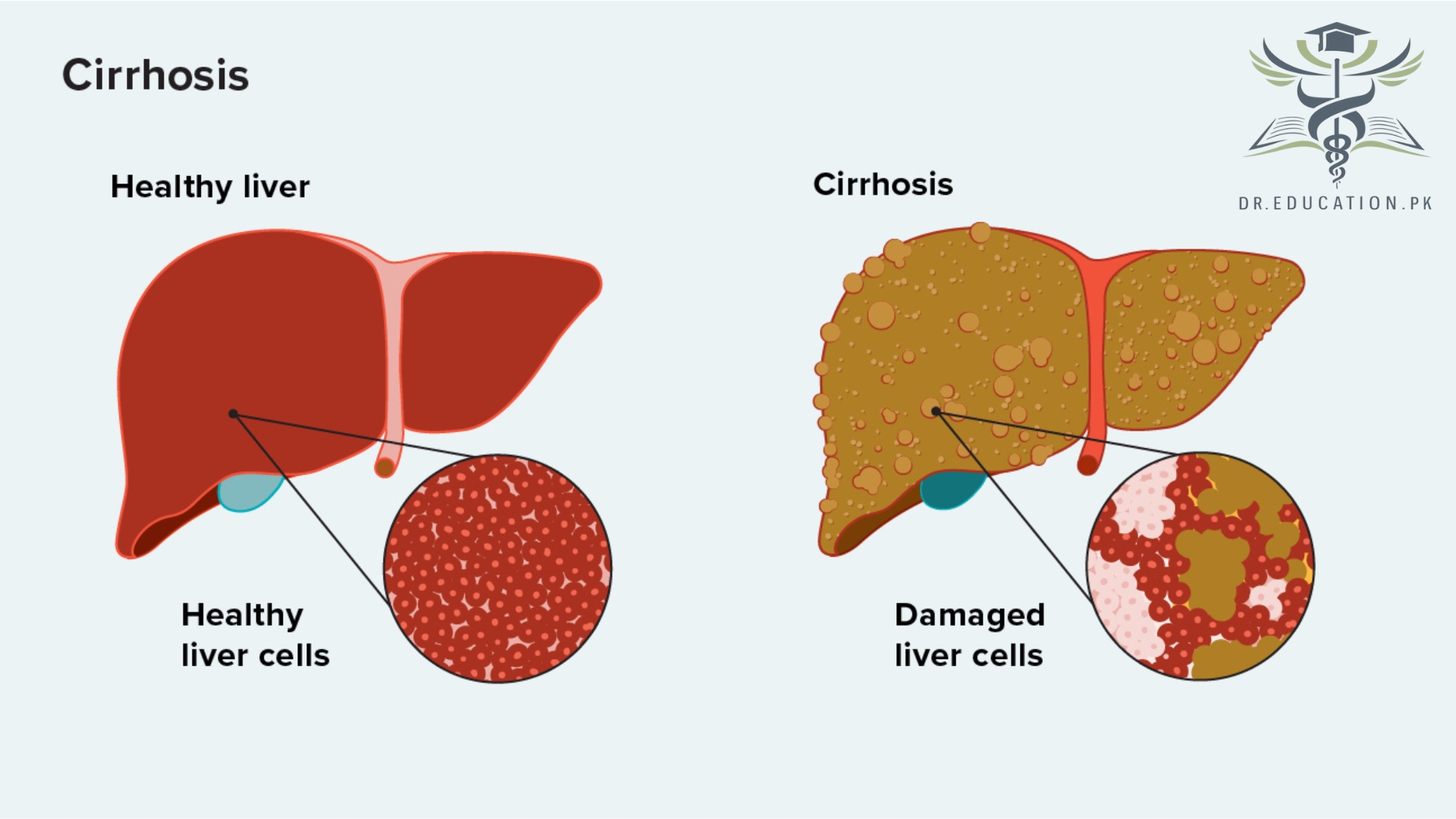
Cirrhosis, also known as liver cirrhosis or hepatic cirrhosis, and end-stage liver disease, is a condition of the liver in which the normal functioning tissue, or parenchyma, is replaced with scar tissue (fibrosis) and regenerative nodules as a result of chronic liver disease.
Damage to the liver leads to repair of liver tissue and subsequent formation of scar tissue. Over time, scar tissue and nodules of regenerating hepatocytes can replace the parenchyma, causing increased resistance to blood flow in the liver’s capillaries—the hepatic sinusoids—and consequently portal hypertension, as well as impairment in other aspects of liver function.
The disease typically develops slowly over months or years.
Overview
What is Liver Cirrhosis?
Cirrhosis is severe scarring of the liver. This serious condition can be caused by many forms of liver diseases and conditions, such as hepatitis or chronic alcoholism.
Each time your liver is injured — whether by excessive alcohol consumption or another cause, such as infection — it tries to repair itself. In the process, scar tissue forms. As cirrhosis gets worse, more and more scar tissue forms, making it difficult for the liver to do its job. Advanced cirrhosis is life-threatening.
The liver damage caused by cirrhosis generally can’t be undone. But if liver cirrhosis is diagnosed early and the underlying cause is treated, further damage can be limited. In rare cases, it may be reversed.
Stages of Cirrhosis
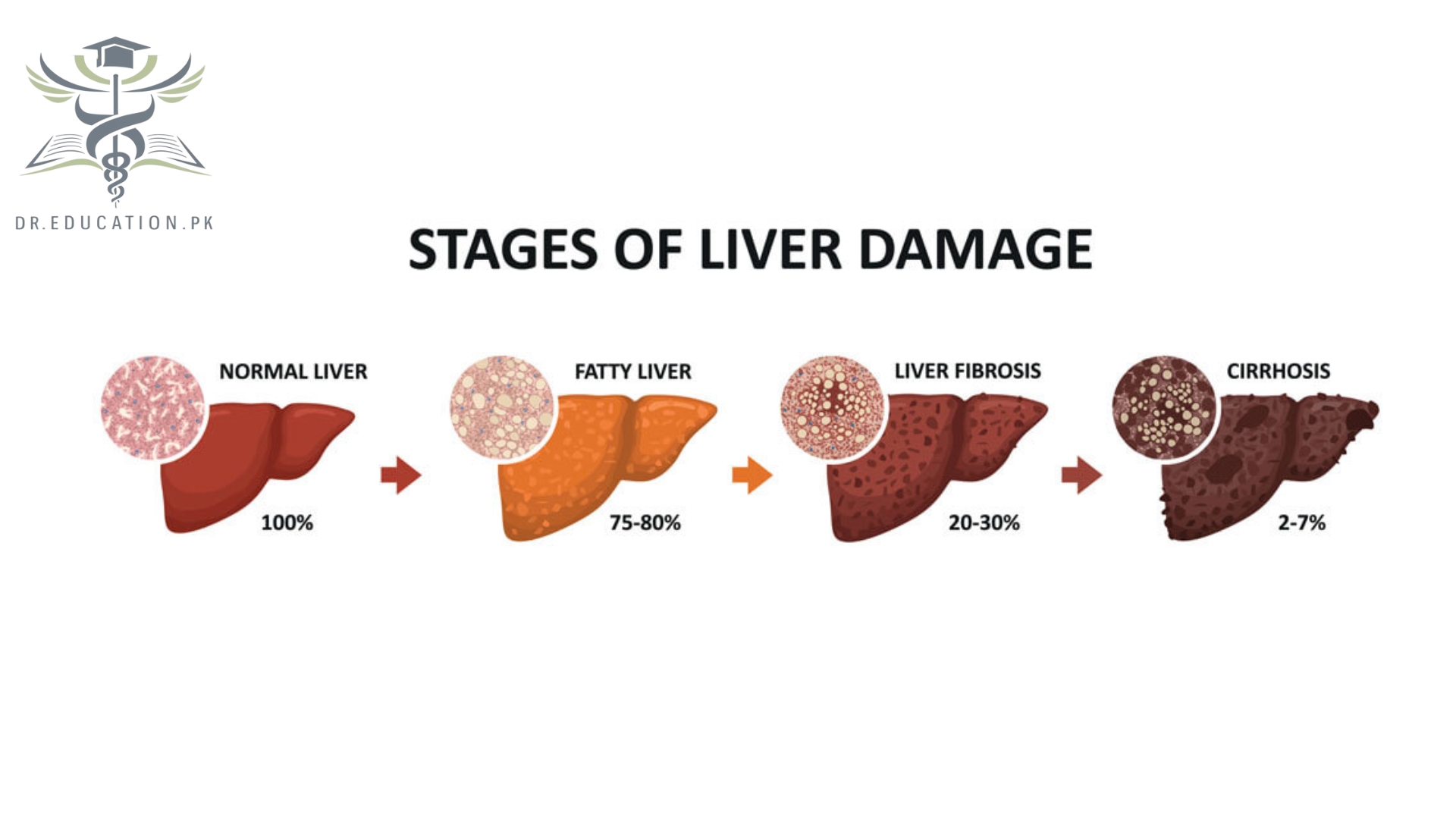
Liver cirrhosis has two basic stages. If you find out you have it, your doctor will tell you what stage you’re in. Depending on how well your liver is working, they’ll say it’s either “compensated” or “decompensated.” Which one it is makes a difference in the kind of treatment you get.
Compensated cirrhosis
If you have compensated cirrhosis, you won’t have any symptoms. Your liver can still do its job because there are enough healthy cells to make up for the damaged cells and scar tissue caused by cirrhosis. You can stay in this stage for many years.
Decompensated cirrhosis
Decompensated cirrhosis is the more advanced of the two cirrhosis stages. At this point, your liver has so much scarring that you develop complications.
Your doctor will know you have decompensated cirrhosis if you show signs of one or more of these conditions:
- Jaundice. It’s caused when your liver can’t get rid of bilirubin, a blood waste product. It can make your skin and eyes yellow.
- Ascites. This refers to fluid buildup in your belly.
- Bleeding varices. Varices are enlarged blood vessels. Signs that you have bleeding varices include black, tarry, or bloody stools or throwing up blood. This is an emergency that needs treatment right away.
- Hepatic encephalopathy (HE). Toxins can build up in your brain and make you confused and very tired. You may have trouble doing daily activities such as driving or writing.
Your liver disease can also lead to a kidney disease called hepatorenal syndrome, a lung disease called hepatopulmonary syndrome, and liver cancer.
How does cirrhosis affect my liver and body?
Scarring in your liver blocks the flow of blood and oxygen through your liver tissues. This slows your liver’s ability to process your blood, metabolize nutrients and filter out toxins.
Cirrhosis reduces your liver’s ability to produce bile and essential blood proteins. Scar tissue can also compress blood vessels running through your liver, including the important portal vein system, leading to a condition called portal hypertension.
Cirrhosis Symptoms
Cirrhosis may not cause any symptoms at first. But as the damage to your liver gets worse, you may start to notice some signs.
What are the first signs of cirrhosis?
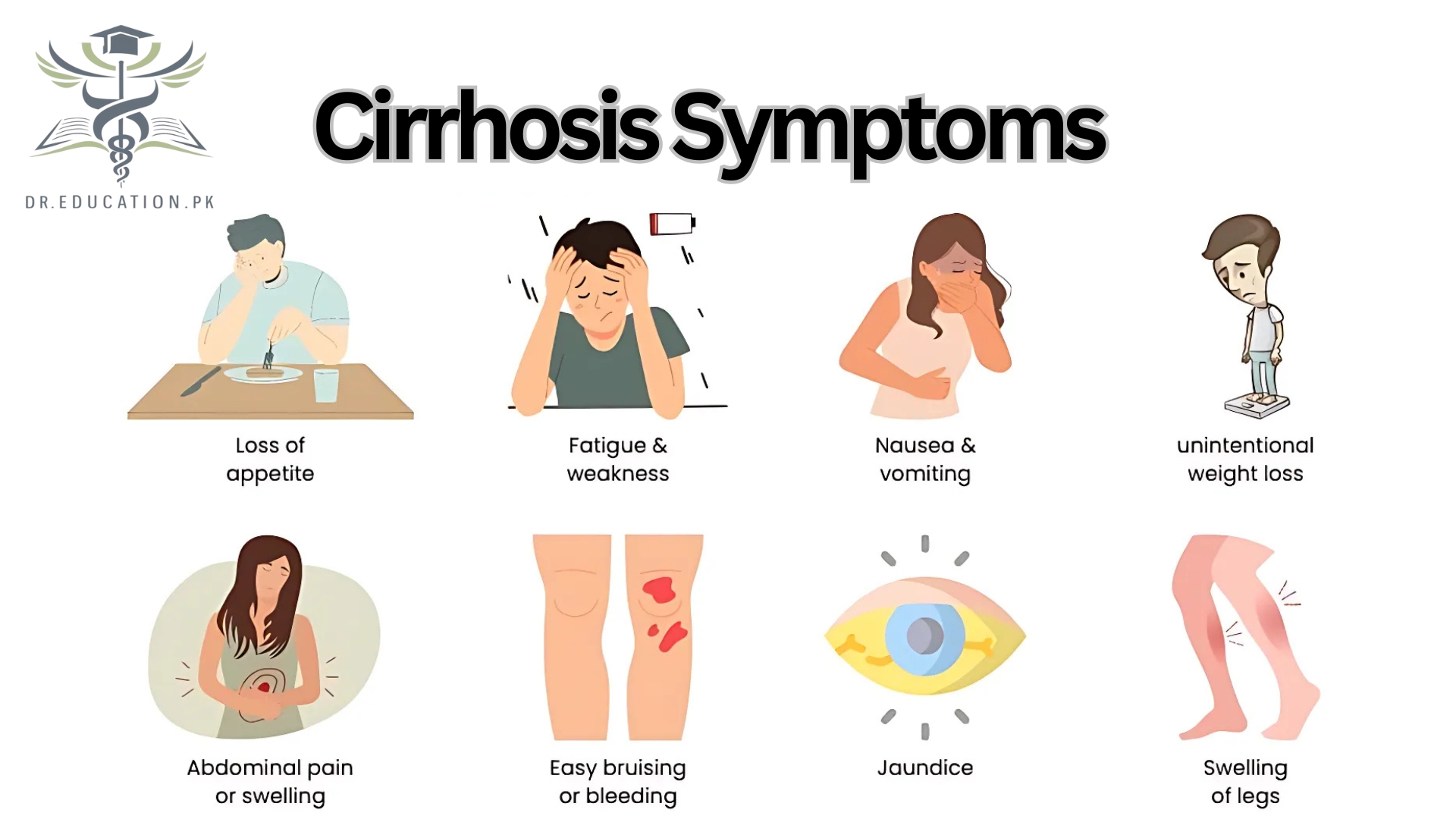
Early cirrhosis symptoms can be the same as those of other diseases, so it’s important to talk to your doctor when you have them. They can include:
- Swelling in your belly, ankles, or legs
- Feeling very tired or weak
- Poor appetite and weight loss
- Nausea and vomiting
- Muscle weakness or cramps
- Pain on the top right side of your belly
Cirrhosis skin
- Itching, which may be intense
- Spider web-like blood vessels on your face, chest, or arms
- Redness in the palms of your hands or whitening of your nails
- Jaundice (when your skin and eyes turn yellow)
Other symptoms of cirrhosis
If you don’t get treatment for the cause of your cirrhosis, it’ll get worse. The symptoms will get worse, too. They might include:
- Changes to the way you think, such as problems with concentration or memory
- Trouble sleeping
- Wider or thicker fingertips (clubbed fingers)
- Hair loss
- Nosebleeds or bleeding gums
- Lack of sex drive or ability
- Pee that looks brownish or orange
- Light-colored poop
- Blood in your poop
- Vomiting blood
- Fever
- Bones that break more easily
- You stop having periods if you’re a woman (or were assigned as female at birth)
- You see shrinkage in your testicles or start to develop breasts if you’re a man or were assigned male at birth
Keep in mind that you may not have all these symptoms, and some of these problems are also signs of other conditions.
Go to the emergency room if:
- Your stools are black or look like tar.
- You’re vomiting blood.
- You have serious belly pain.
- You feel very confused and sleepy.
- You have a high fever and can’t stop shaking.
- The whites of your eyes suddenly turn yellow.
What causes cirrhosis of the liver?
Cirrhosis is a gradual scarring process that’s triggered by chronic inflammation in your liver. Any chronic liver disease that causes chronic hepatitis can lead to cirrhosis. The most common causes include:
- Alcohol-induced hepatitis. This is chronic liver damage from chronic heavy alcohol use. Alcohol may be the most well-known cause of liver cirrhosis, but non-alcoholic causes are also common.
- Non-alcohol-related steatohepatitis. This is chronic damage from excess fat storage in your liver. It’s related to metabolic factors like high blood lipids, blood sugar and blood pressure.
- Chronic hepatitis C infection. Hepatitis C is a viral infection that becomes chronic in most people. It’s now curable with antivirals, but many people don’t realize they have it.
- Chronic hepatitis B infection. Hepatitis B is a viral infection that may become chronic in a minority of people. If it does, you’ll have it for life. It’s treatable, but not curable.
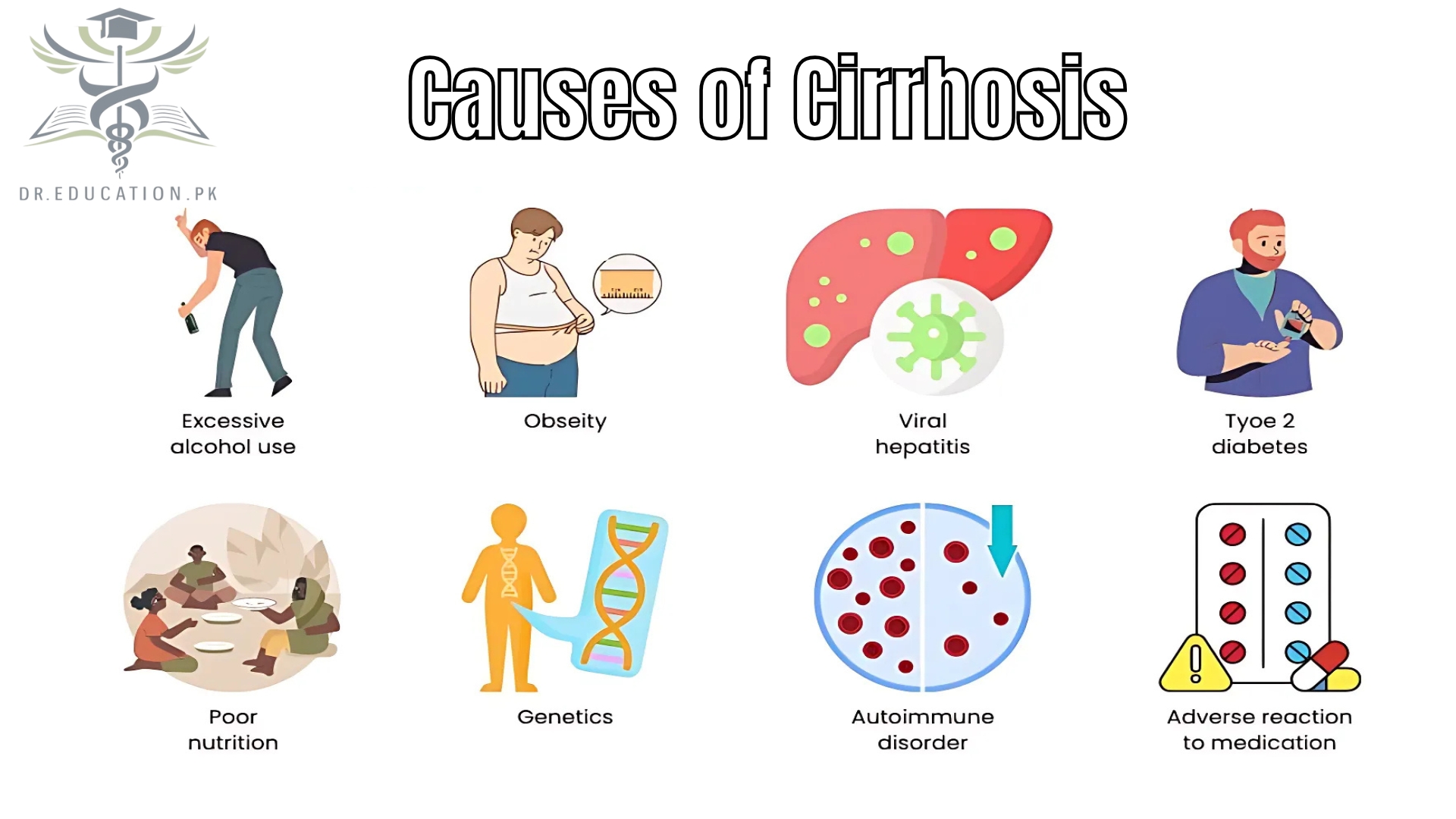
Less common causes of cirrhosis include:
- Autoimmune biliary disease. Certain autoimmune diseases can cause chronic liver inflammation, including autoimmune hepatitis, primary biliary cholangitis and primary sclerosing cholangitis.
- Genetic disorders. Certain inherited conditions can cause toxic substances to build up in your liver and damage it, such as glycogen storage disease, cystic fibrosis and Wilson disease.
- Toxic hepatitis. Long-term exposure to certain environmental toxins or use of certain medications may cause chronic liver damage, including over-the-counter painkillers.
- Cardiovascular disease. Conditions that cause blood to build up in your liver (congestive heart failure) or that prevent blood from reaching your liver (chronic ischemia) can damage it.
Complications of Cirrhosis
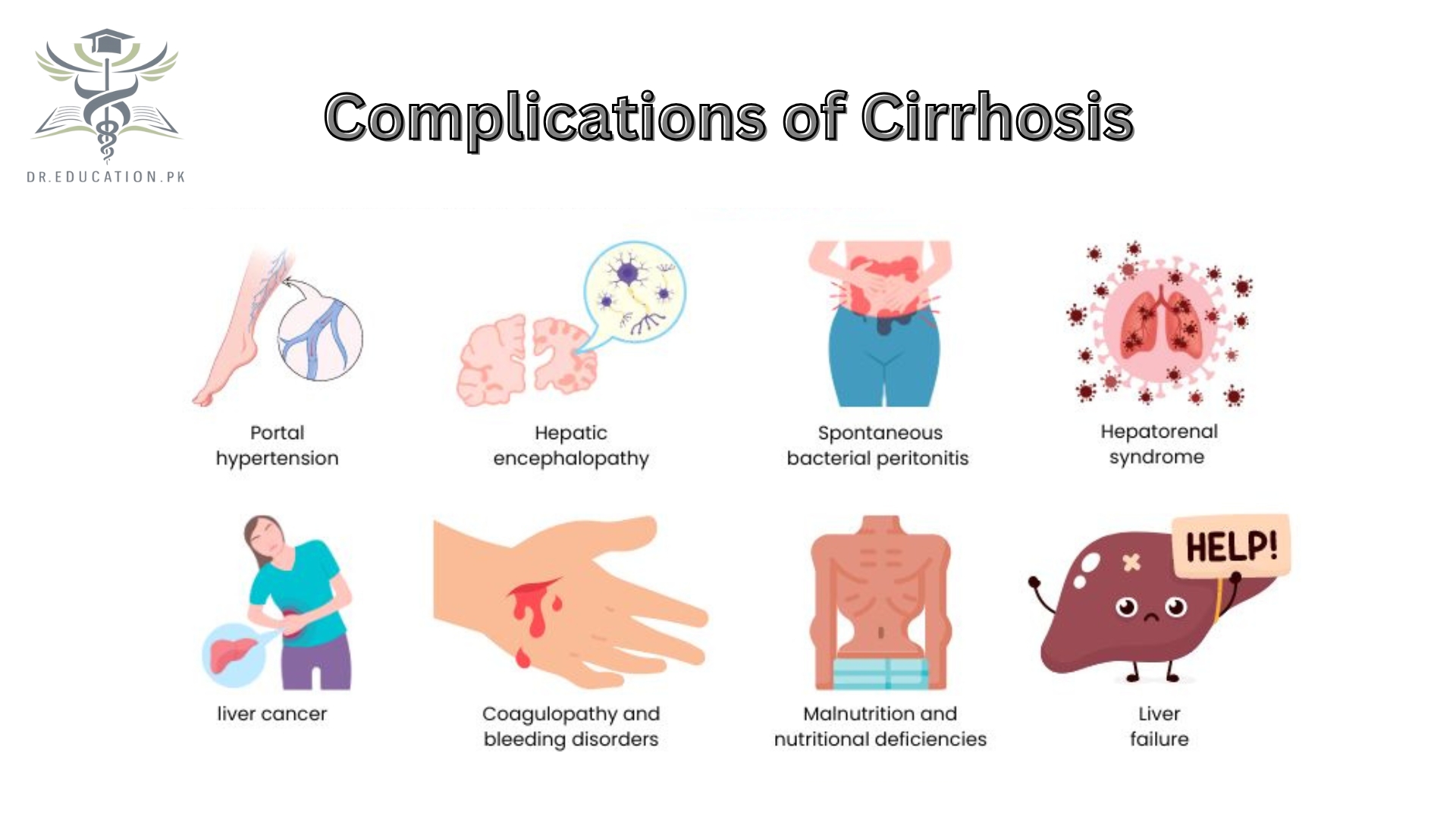
Complications of cirrhosis can include:
- High blood pressure in the veins that supply the liver. This condition is known as portal hypertension. Cirrhosis slows the regular flow of blood through the liver. This increases pressure in the vein that brings blood to the liver.
- Swelling in the legs and abdomen. The increased pressure in the portal vein can cause fluid to accumulate in the legs, called edema, and in the abdomen, called ascites. Edema and ascites also may happen if the liver can’t make enough of certain blood proteins, such as albumin.
- Enlargement of the spleen. Portal hypertension can cause the spleen to trap white blood cells and platelets. This makes the spleen swell, a condition known as splenomegaly. Fewer white blood cells and platelets in your blood can be the first sign of cirrhosis.
- Bleeding. Portal hypertension can cause blood to be redirected to smaller veins. Strained by the extra pressure, these smaller veins can burst, causing serious bleeding. Portal hypertension also may cause enlarged veins, called varices (VAIR-uh-seez), in the esophagus or the stomach. These varices also may lead to life-threatening bleeding. If the liver can’t make enough clotting factors, this also can contribute to continued bleeding.
- Infections. If you have cirrhosis, your body may have a hard time fighting infections. Ascites can lead to bacterial peritonitis, a serious infection.
- Malnutrition. Cirrhosis may make it more difficult for your body to process nutrients, leading to weakness and weight loss.
- Buildup of toxins in the brain. A liver damaged by cirrhosis can’t clear toxins from the blood as well as a healthy liver can. These toxins can then build up in the brain and cause mental confusion and difficulty concentrating. This is known as hepatic encephalopathy. With time, hepatic encephalopathy can progress to unresponsiveness or coma.
- Jaundice. Jaundice occurs when the diseased liver doesn’t remove enough bilirubin, a blood waste product, from your blood. Jaundice causes yellowing of the skin and whites of the eyes and darkening of urine.
- Bone disease. Some people with cirrhosis lose bone strength and are at greater risk of fractures.
- Increased risk of liver cancer. A large proportion of people who develop liver cancer have pre-existing cirrhosis.
- Acute-on-chronic cirrhosis. Some people end up experiencing multiorgan failure. Researchers now believe this is a complication in some people who have cirrhosis. However, they don’t fully understand what causes it.
Diagnosis and Tests
A healthcare provider will begin by physically examining you for signs and symptoms of cirrhosis of the liver. They’ll ask you about when your symptoms began and whether they’ve changed over time. They’ll also ask questions about your medical history, what medications, herbs or supplements you take, and your diet and lifestyle. They’ll look for clues that might suggest a history of liver disease or liver damage.
They’ll follow up with medical tests to look for evidence of cirrhosis of the liver. Tests may include:
- Blood tests. A panel of liver function tests can show signs of liver disease and liver failure. These measure liver products like liver enzymes, proteins and bilirubin levels in your blood. Blood tests may also indicate specific diseases or known side effects, like reduced blood clotting.
- Imaging tests. Imaging tests like an abdominal ultrasound, CT scan or MRI can show the size, shape and texture of your liver. A special type of imaging test called elastography uses ultrasound or MRI technology to measure the level of stiffness or fibrosis in your liver.
- Liver biopsy. A liver biopsy is a minor procedure to take a small tissue sample from your liver to test in a lab. A healthcare provider can usually take the sample through a hollow needle. While not always necessary, a liver biopsy can confirm cirrhosis and may help determine the cause.
Cirrhosis Treatment
Cirrhosis isn’t curable, but it’s treatable. Doctors have two main goals in treating this disease: to stop the damage to your liver and prevent complications. Your doctor will personalize your treatment based on what caused your cirrhosis, and how much liver damage you have.
They may recommend:
Alcohol abuse treatment
Your liver breaks down and removes toxins from your body. Alcohol is a toxin. When you drink too much, your liver has to work extra hard to process it.
To protect your liver, you must stop drinking. That can be hard to do, especially if you’ve become dependent on alcohol. Ask your doctor about things you can try that may help you stop drinking, such as:
- 12-step and other support programs such as Alcoholics Anonymous (AA)
- One-on-one counseling with a therapist
- Support groups to help you manage the things that lead you to drink
- Inpatient rehab programs
- Prescription medicines such as acamprosate and naltrexone
Hepatitis treatments
Treatments for hepatitis can help prevent liver damage. For hepatitis C, there are antiviral treatments that lead to a cure in the vast majority of people.
Options include:
- Antiviral drugs. These attack the hepatitis virus. Which antiviral drug you get depends on the type of hepatitis you have. The most common side effects of these medicines are weakness, headache, nausea, and sleep problems.
- Interferon (interferon alpha 2b, pegylated interferon). This helps your immune system fight off the hepatitis virus. Side effects can include trouble breathing, dizziness, weight changes, and depression. Interferon isn’t often used to treat hepatitis C because it can be cured with antiviral medications.
Nonalcoholic fatty liver disease treatments
The best way to combat this cause of liver damage is to lose excess weight with the help of diet and exercise. With any liver disease, it’s important to stay away from alcohol and, in some cases, avoid taking vitamin E.
When you have fat in your liver, but it hasn’t yet done any damage, this condition is called nonalcoholic fatty liver disease (NAFLD). When you have fat in your liver along with signs of inflammation and cell damage, it’s known as nonalcoholic steatohepatitis (NASH).
NASH treatment
There’s no medication to reverse the fatty buildup from NASH. However, controlling the conditions that may contribute to it can help stop liver damage. In some cases, liver damage has been known to reverse itself.
Your doctor may suggest vitamin E or pioglitazone to help. Vitamin E alone is often prescribed for people who have NASH and don’t have diabetes or cirrhosis.
Treatments for autoimmune hepatitis and primary biliary cirrhosis
In both of these diseases, your body’s natural defense system (immune system) attacks and damages your liver. Primary biliary cirrhosis destroys the bile duct, which is the tube that carries the digestive fluid (bile) from your liver to your gallbladder and intestine.
Doctors treat autoimmune hepatitis with steroid drugs and other medicines that stop the immune system from attacking the liver. Side effects may include weight gain, diabetes, weak bones, and high blood pressure.
The main treatment for primary biliary cirrhosis is to slow liver damage with the drug ursodiol. Ursodiol can cause side effects such as diarrhea, constipation, dizziness, and back pain.
Treating the complications
Once your healthcare provider has diagnosed cirrhosis, they’ll also check for common side effects. Portal hypertension is the most common side effect and comes with its own set of complications, each requiring specific treatments.
You might need:
- A minor procedure to seal a bleeding vein.
- Blood transfusion to replace blood cell count.
- Kidney dialysis.
- Oxygen therapy.
- Paracentesis and antibiotics for ascites.
- Laxatives to absorb and purge toxins from your GI tract.
Liver cancer
Primary liver cancer (hepatocellular carcinoma) is another possible complication of cirrhosis. Not everyone with cirrhosis develops liver cancer, but most people who do develop liver cancer have cirrhosis.
If you develop cancer with cirrhosis, your provider might treat it with cancer therapies like radiation or chemotherapy. Or they might judge that the best solution is a complete liver transplant.
Liver transplantation
Healthcare providers recommend liver transplantation when they feel that your health will continue to decline without one. This might be the case if you are in active liver failure, have liver cancer and/or you aren’t responding to treatment for your liver disease. If you meet the qualifications for a liver transplant, you’ll join a national waiting list to receive one. Your condition will determine your place on the list.
Prevention
Lower your risk of cirrhosis by taking these steps to care for your liver:
- Do not drink alcohol if you have cirrhosis. If you have liver disease, you should not drink alcohol.
- Eat a healthy diet. Choose a diet that’s full of fruits and vegetables. Select whole grains and lean sources of protein. Cut down on the amount of fatty and fried foods you eat.
- Maintain a healthy weight. Too much body fat can damage your liver. Talk to your health care provider about a weight-loss plan if you are obese or overweight.
- Reduce your risk of hepatitis. Sharing needles and having unprotected sex can increase your risk of hepatitis B and C. Ask your provider about hepatitis vaccinations.
If you’re concerned about your risk of liver cirrhosis, talk to your health care provider about ways you can reduce your risk.
Cirrhosis Self-Care
Some lifestyle changes can help keep your liver as healthy as possible:
- Eat a liver-friendly diet. Cirrhosis can rob your body of nutrients and weaken your muscles. To combat these effects, eat lots of healthy foods such as fruits, vegetables, and lean protein from poultry or fish. Avoid oysters and other raw shellfish, because they contain bacteria that could cause an infection. Also, limit salt, which increases fluid buildup in your body.
- Get vaccinated. Both cirrhosis and some of its treatments can weaken your immune system and make it harder to fight off infections. Protect yourself by getting vaccinated against hepatitis A and B, COVID-19, the flu, and pneumonia.
- Be careful when you take medicine. Cirrhosis damage makes it harder for your liver to process and remove medicines. Ask your doctor before you take any over-the-counter drug, including herbal remedies. Be very cautious about medicines that can cause liver damage, such as acetaminophen, aspirin, or ibuprofen. You can’t take these medications if you have ascites.
It’s also important to:
- Keep all your doctor’s appointments.
- Eat enough protein. People with cirrhosis need more than most folks.
- Practice good hygiene. Wash your hands often.
- Drink enough fluids, even if you have ascites, to avoid dehydration.
- Eat a low-salt diet if you have ascites.
- Eat a high-protein, high-calorie diet.
- Take a diuretic (a water pill) if your doctor prescribes one to help manage ascites.
- Take medicine your doctor prescribes if you have constipation (trouble pooping).
Conclusion from Dreducation.pk
In conclusion, liver cirrhosis is a severe, progressive condition characterized by irreversible scarring of the liver. This condition is often caused by chronic liver diseases, including hepatitis and alcoholism, but it can also result from other factors like non-alcoholic fatty liver disease or genetic disorders.
As cirrhosis advances, the liver’s ability to perform essential functions, such as filtering toxins and aiding in digestion, is compromised. The resulting complications—ranging from portal hypertension and infections to liver cancer—underscore the importance of early diagnosis and intervention. While cirrhosis cannot typically be cured, its progression can be slowed or managed through lifestyle changes, medication, and, in advanced cases, liver transplantation.
2Preventative measures such as avoiding alcohol, maintaining a healthy diet, managing body weight, and reducing risk factors for hepatitis are vital for reducing the likelihood of cirrhosis. Consulting with healthcare providers regularly and adhering to recommended treatments are crucial steps in managing this serious liver disease.


