
Hyperlipidemia (High Cholesterol)
According to Wikipedia,
Hyperlipidemia is abnormally high levels of any or all lipids (e.g. fats, triglycerides, cholesterol, phospholipids) or lipoproteins in the blood. The term hyperlipidemia refers to the laboratory finding itself and is also used as an umbrella term covering any of various acquired or genetic disorders that result in that finding. Hyperlipidemia represents a subset of dyslipidemia and a superset of hypercholesterolemia. Hyperlipidemia is usually chronic and requires ongoing medication to control blood lipid levels.
Overview
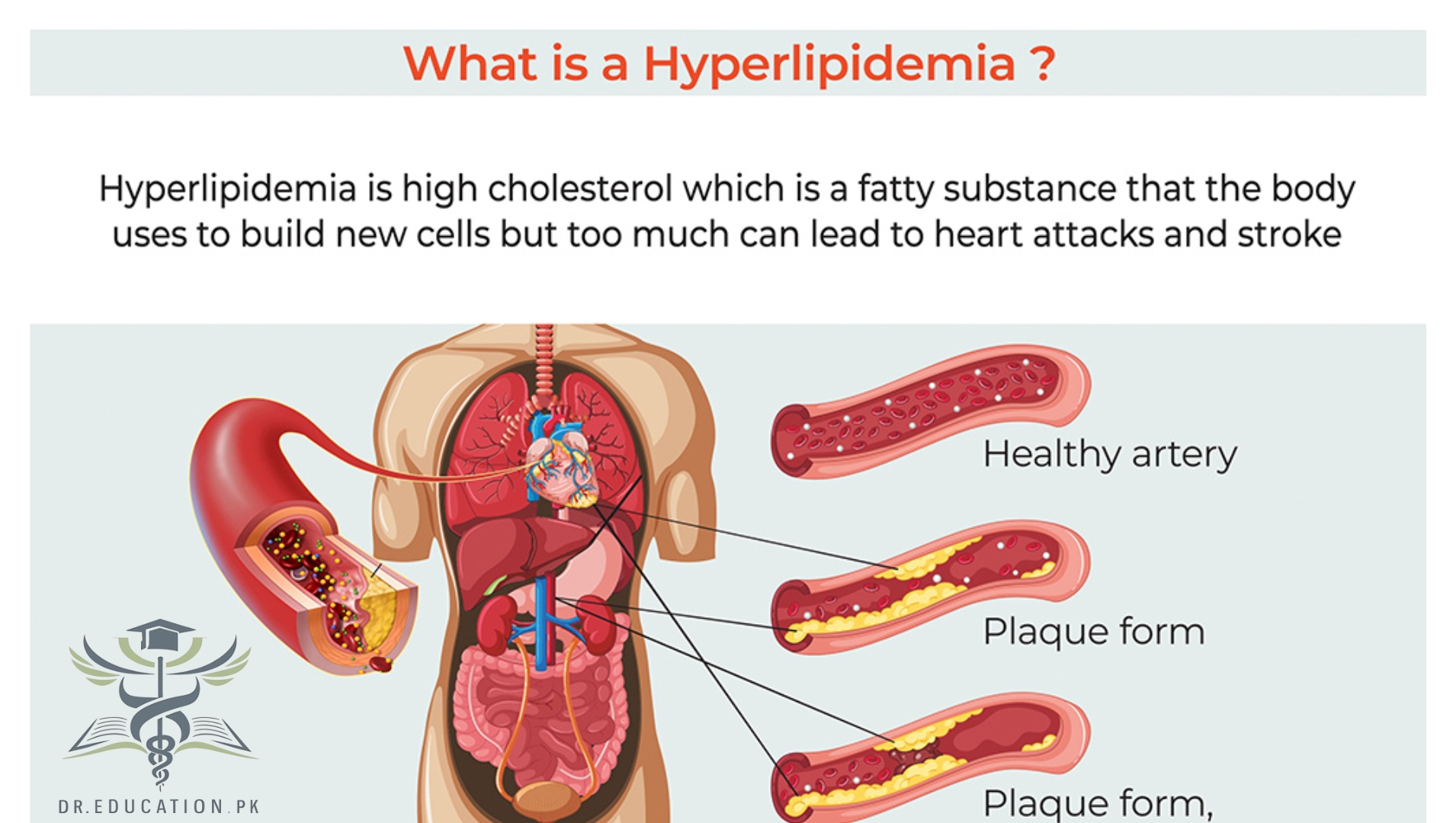
Hyperlipidemia is a medical term for abnormally high levels of fats (lipids) in the blood, which include cholesterol and triglycerides. You can inherit it or develop it from lifestyle factors, including diet and too little physical activity.
The most common type of hyperlipidemia is high cholesterol. Other forms of hyperlipidemia include hypertriglyceridemia and mixed hyperlipidemia, in which both cholesterol and triglyceride levels are high.
You call it high cholesterol. Your doctor calls it hyperlipidemia, or dyslipidemia. No matter what name you use, it’s a common problem.
The term covers several disorders that result in extra fats, also known as lipids, in your blood. You can control some of its causes, but not all of them.
How Common is Hyperlipidemia?
Hyperlipidemia is very common, especially in modern developed countries. It’s also increasing around the world.
In the United States, 94 million people over age 20 have elevated total cholesterol levels. This amounts to about 50 percent of all U.S. adults.
Understanding cholesterol
Your liver creates cholesterol to help you digest food and make things like hormones. But you also eat cholesterol in foods from the meat and dairy aisles. As your liver can make as much cholesterol as you need, the cholesterol in foods you eat is extra.
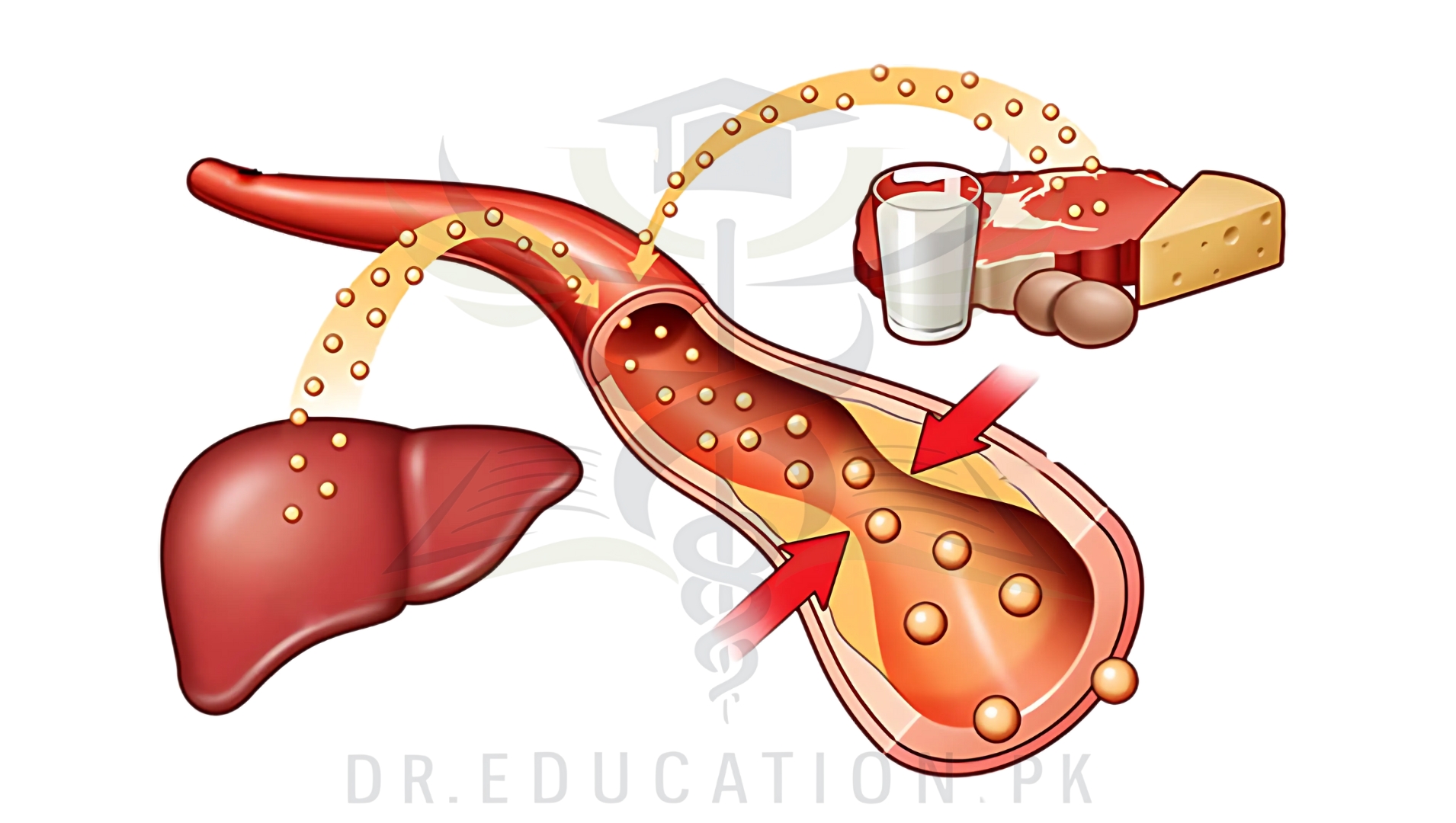
Too much cholesterol (200 mg/dL to 239 mg/dL is borderline high and 240 mg/dL is high) isn’t healthy because it can create roadblocks in your artery highways where blood travels around to your body. This damages your organs that don’t receive enough blood from your arteries.
Bad cholesterol (LDL) is the most dangerous type because it causes hardened cholesterol deposits (plaque) to collect inside of your blood vessels. This makes it harder for your blood to get through, which puts you at risk for a stroke or heart attack. The plaque itself can be irritated or inflamed, which can cause a clot to form around it. This can cause a stroke or heart attack depending on where the blockage is.
Think of cholesterol, a kind of fat, as traveling in lipoprotein cars through your blood.
- Low-density lipoprotein (LDL) is known as bad cholesterol because it can clog your arteries like a large truck that broke down and is blocking a traffic lane. (Borderline high number: 130 mg/dL to 159 mg/dL. High: 160 mg/dL to 189 mg/dL.)
- Very low-density lipoprotein (VLDL) is also called bad because it carries triglycerides that add to artery plaque. This is another type of traffic blocker.
- High-density lipoprotein (HDL) is known as good cholesterol because it brings cholesterol to your liver, which gets rid of it. This is like the tow truck that removes the broken down vehicles from the traffic lanes so vehicles can move. In this case, it’s clearing the way for your blood to get through your blood vessels. For your HDL, you don’t want to have a number lower than 40 mg/dL.
It’s important to know that providers consider other factors in addition to your cholesterol numbers when they make treatment decisions.
Hyperlipidemia vs. Hypercholesterolemia
If you have hyperlipidemia, you have high lipid levels – including triglycerides and LDL – in your blood.
Another type of cholesterol problem is called hypercholesterolemia. That means only your LDL levels are too high.
What are the risk factors for hyperlipidemia?
Several things can put you at a higher risk of hyperlipidemia, including:
- Having a family history of high cholesterol.
- Having hypothyroidism.
- Having obesity.
- Not eating a nutritious diet.
- Drinking too much alcohol.
- Having diabetes.
- Smoking.
Signs and Symptoms
How do you feel if your cholesterol is high?
Early on, you feel normal when you have high cholesterol. It doesn’t give you symptoms. However, after a while, plaque buildup (made of cholesterol and fats) can slow down or stop blood flow to your heart or brain. The symptoms of coronary artery disease can include chest pain with exertion, jaw pain and shortness of breath.
When a plaque of cholesterol ruptures and a clot covers it, it closes off an entire artery. This is a heart attack, and the symptoms include severe chest pain, flushing, nausea and difficulty breathing. This is a medical emergency.
Are there any warning signs of high cholesterol?
Most people don’t have symptoms when their cholesterol is high. People who have a genetic problem with cholesterol clearance that causes very high cholesterol levels may get xanthomas (waxy, fatty plaques on their skin) or corneal arcus (cholesterol rings around the iris of their eye). Conditions such as obesity have a link to high cholesterol, and this may prompt a provider to evaluate your cholesterol level.
How serious is high cholesterol?
Hyperlipidemia can be very serious if it’s not managed. As long as high cholesterol is untreated, you’re letting plaque accumulate inside of your blood vessels. This can lead to a heart attack or stroke because your blood has a hard time getting through your blood vessels. This deprives your brain and heart of the nutrients and oxygen they need to function.
Cardiovascular disease is the leading cause of death in Americans.
Causes
What causes cholesterol to get high?
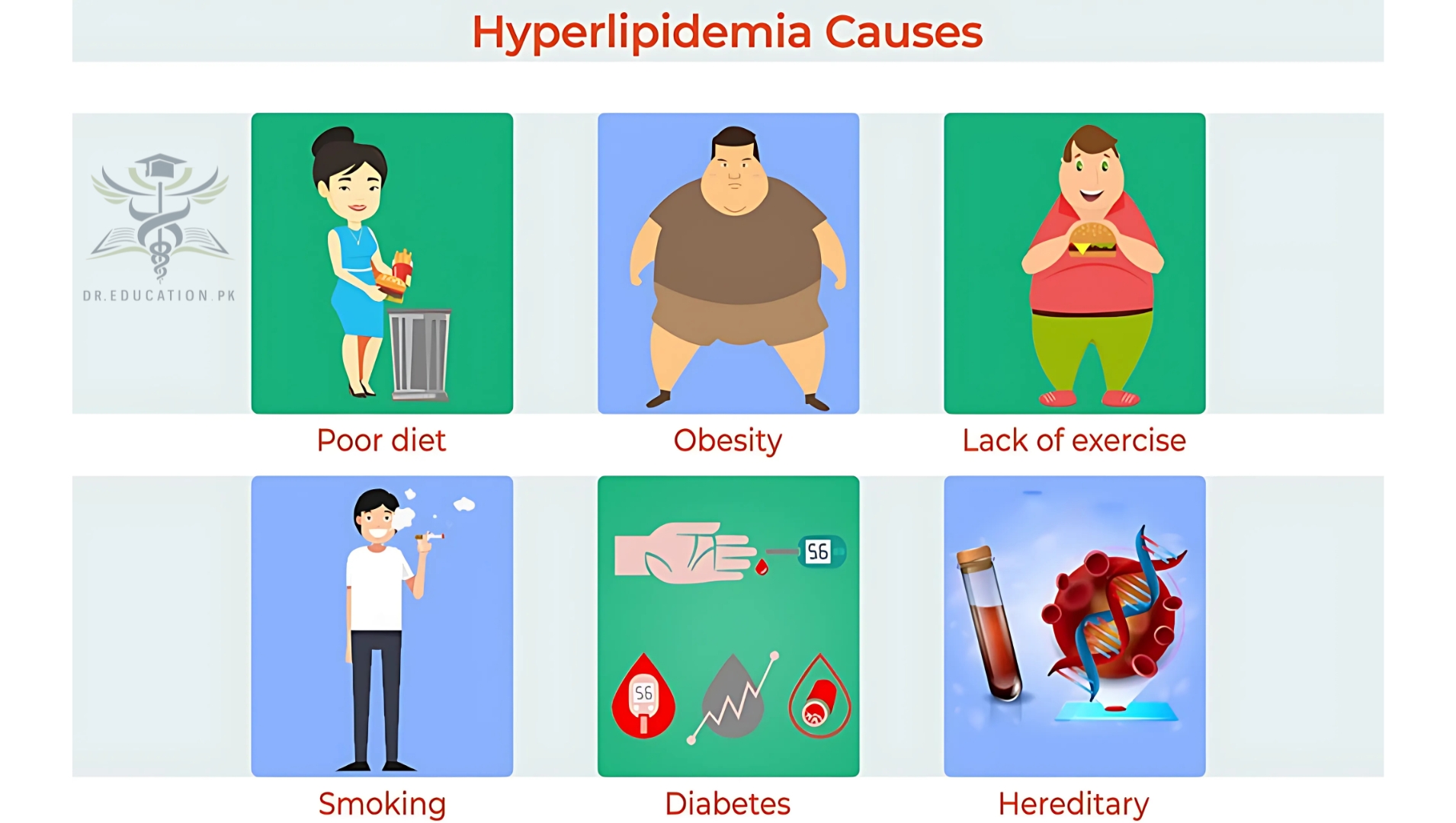
Various hyperlipidemia causes include:
- Smoking.
- Drinking a lot of alcohol.
- Eating foods that have a lot of saturated fats or trans fats.
- Sitting too much instead of being active.
- Being stressed.
- Inheriting genes that make your cholesterol levels unhealthy.
Medications that are helpful for some problems can make your cholesterol levels fluctuate, such as:
- Beta-blockers.
- Diuretics.
- Hormonal birth control.
- Steroids.
- Antiretrovirals for HIV.
Medical problems can also affect how much cholesterol you have. These include:
- Having overweight or obesity.
- Liver disease.
- Pancreas disease.
- Multiple myeloma.
- Polycystic ovary syndrome (PCOS).
- Hypothyroidism.
- Primary biliary cholangitis.
- Chronic kidney disease.
- Diabetes.
- Lupus.
- Sleep apnea.
- HIV.
How does hyperlipidemia (high cholesterol) affect my body?
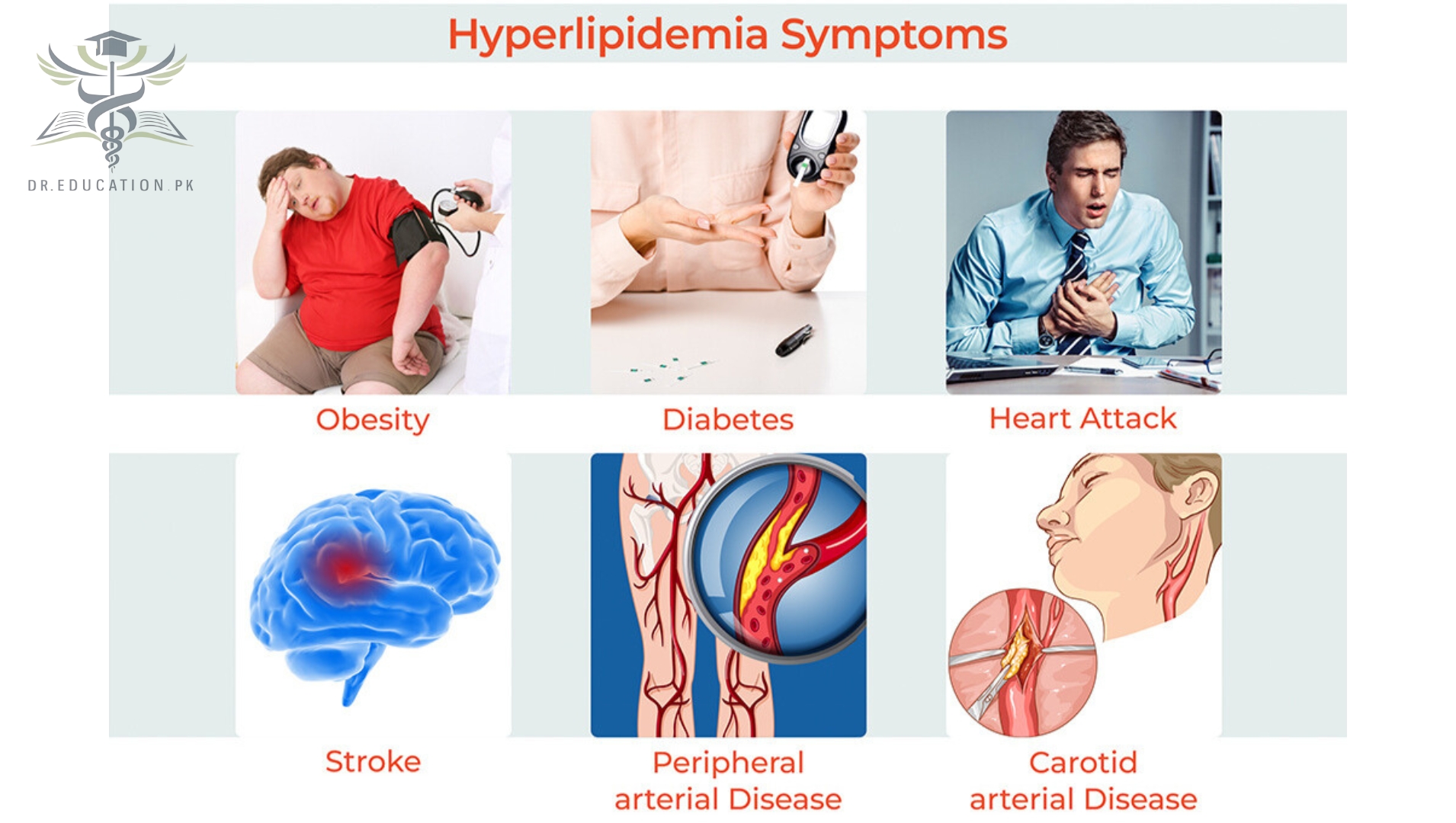
Hyperlipidemia (high cholesterol) that’s not treated can allow plaque to collect inside of your body’s blood vessels (atherosclerosis). This can bring on hyperlipidemia complications that include:
- Heart attack.
- Stroke.
- Coronary heart disease.
- Carotid artery disease.
- Sudden cardiac arrest.
- Peripheral artery disease.
- Microvascular disease.
Hyperlipidemia Diagnosis
To diagnose hyperlipidemia, your health care provider will order a test that checks the levels of cholesterol and triglycerides in your blood. Names for this test include lipid panel, lipid test, lipoprotein panel, and lipid profile.
Your doctor should check your lipid levels regularly.
Lipid panel
The results of this test show the levels of:
LDL cholesterol: The “bad” cholesterol that builds up inside your arteries
Triglycerides: Another type of fat in your blood
Total cholesterol: A combination of the other three numbers
The American Heart Association recommends that adults 20 and older have their cholesterol checked every 4 to 6 years. You may have to fast 9 to 12 hours before the test.
Total cholesterol of 200 milligrams per deciliter (mg/dL) or more is out of the normal range. Your doctor will consider things like your age, whether you smoke, and whether a close family member has heart problems to decide whether your specific test numbers are high and what to do about them. Each measurement is broken down further into categories. For total cholesterol, the numbers used in the U.S. are:
- Below 200 mg/dL is the goal
- 200-239 mg/dL is borderline high
- 240 or more is high
- Below 40 mg/dL for men and 50 mg/dL for women is poor
- 40-59 mg/dL (men) and 50-59 mg/dL (women) is better
- Above 60 mg/dL is best
Management and Treatment
How is hyperlipidemia (high cholesterol) treated?
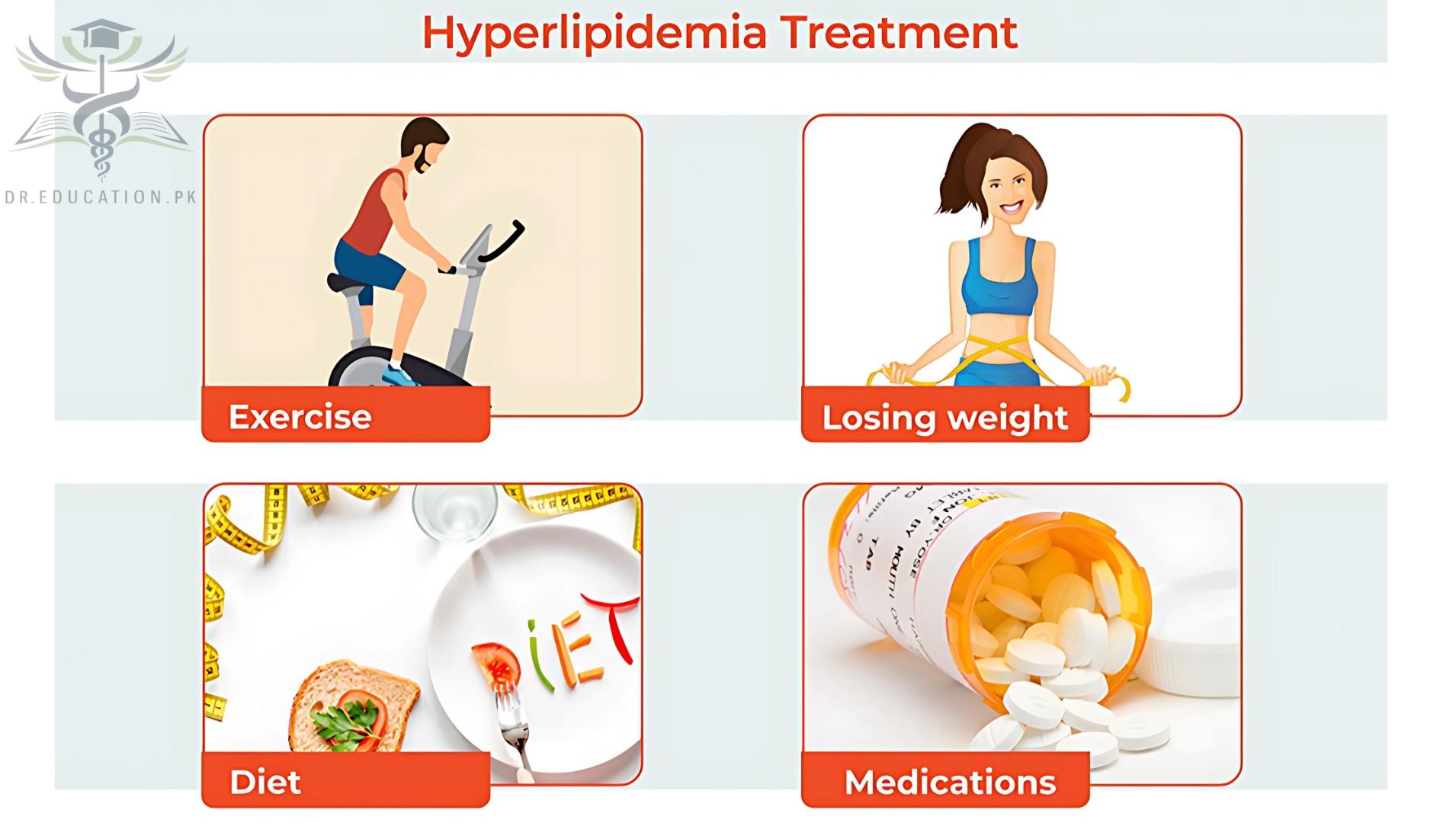
Some people can just change their lifestyles to improve their cholesterol numbers. For other people, that’s not enough and they need medication.
Things you can do include:
- Exercising.
- Quitting smoking.
- Sleeping at least seven hours each night.
- Keeping your stress level well managed.
- Eating healthier foods.
- Limiting how much alcohol you drink.
- Losing a few pounds to reach a healthy weight.
What medications are used for hyperlipidemia?
People who need medicine to treat their high cholesterol usually take statins. Statins are a type of medication that decreases how much bad cholesterol is circulating in your blood. Your provider may order a different type of medicine if:
- You can’t take a statin.
- You need another medicine in addition to a statin.
- You have familial hypercholesterolemia, a genetic problem that makes your bad (LDL) cholesterol number extremely high.
Are there side effects of hyperlipidemia (high cholesterol) treatment?
Any medication can have side effects, but the benefits of statins far outweigh the risks of minor side effects. Let your provider know if you aren’t doing well on your medicine so they can develop a plan to manage your symptoms.
How soon will the hyperlipidemia (high cholesterol) treatment start working?
Your provider will order another blood test about two or three months after you start taking hyperlipidemia medication. The test results will show if your cholesterol levels have improved, which means the medicine and/or lifestyle changes are working. The risk of cholesterol causing damage to your body is a long-term risk, and people usually take cholesterol-lowering treatments for a long time.
How to prevent high cholesterol?
You can make changes to your lifestyle to prevent high cholesterol or reduce your risk of developing hyperlipidemia:
- Exercise several days per week, if you can.
- Eat a diet lower in saturated and trans fats.
- Include lots of fruits, vegetables, beans, nuts, whole grains, and fish regularly into your diet.
- Limit red meat and processed meats like bacon, sausage, and cold cuts.
- Maintain a weight that’s healthy for you.
- Eat lots of healthy fats, like avocado, almonds, and olive oil.
You may want to try a heart healthy eating plan like the Mediterranean diet, which includes a lot of the nutritious foods mentioned above.
Living With
How do I take care of myself with hyperlipidemia?
Be sure to follow your provider’s instructions for making your lifestyle healthier.
Here are things you can do yourself:
- Exercise.
- Stop smoking.
- Sleep at least seven hours each night.
- Manage your stress level.
- Eat healthier foods.
- Limit how much alcohol you drink.
- Stay at a healthy weight.
Other things you can do:
- If your provider ordered medicine for you, be sure to keep taking it as the label tells you to do.
- Talk to your provider about estimating your risk of heart disease and stroke so they can manage your risk effectively.
- Keep your follow-up appointments.
Conclusion From Dreducation.pk
In conclusion, hyperlipidemia, or high cholesterol, is a serious condition that often develops without noticeable symptoms but can lead to severe health issues like heart disease and stroke if left untreated. Regular monitoring, adopting a healthy lifestyle, and in some cases, using medication can effectively manage and reduce cholesterol levels. By making proactive changes and following medical advice, individuals can significantly lower their risk of cardiovascular complications and improve their overall health.


