
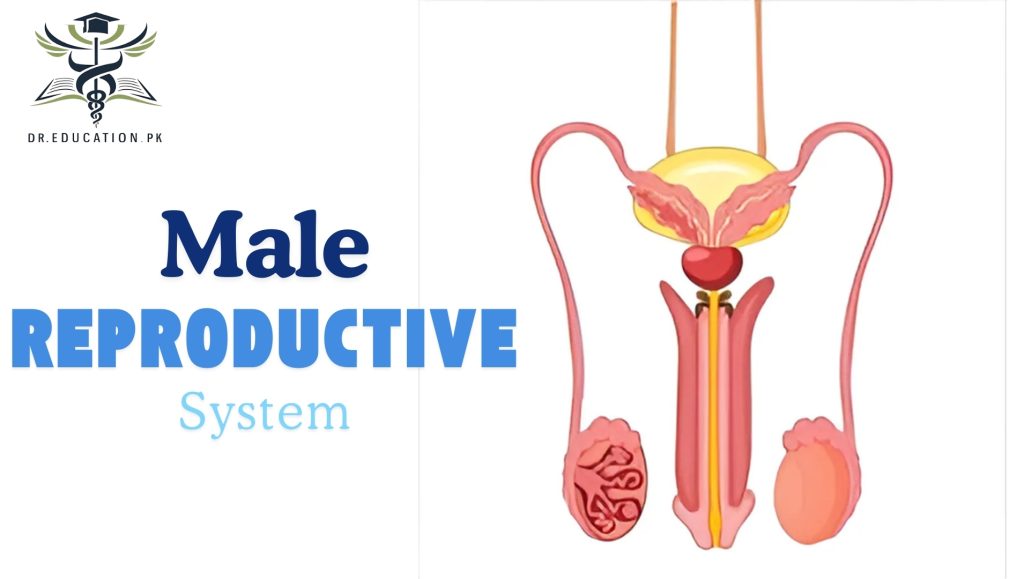
Male Reproductive System
According to Wikipedia,
The male reproductive system consists of a number of sex organs that play a role in the process of human reproduction. These organs are located on the outside of the body, and within the pelvis.
The main male sex organs are the penis and the scrotum, which contains the testicles that produce semen and sperm, which, as part of sexual intercourse, fertilize an ovum in the female’s body; the fertilized ovum (zygote) develops into a Fetus, which is later born as an infant.
Overview
What is the male reproductive system and how does it work?
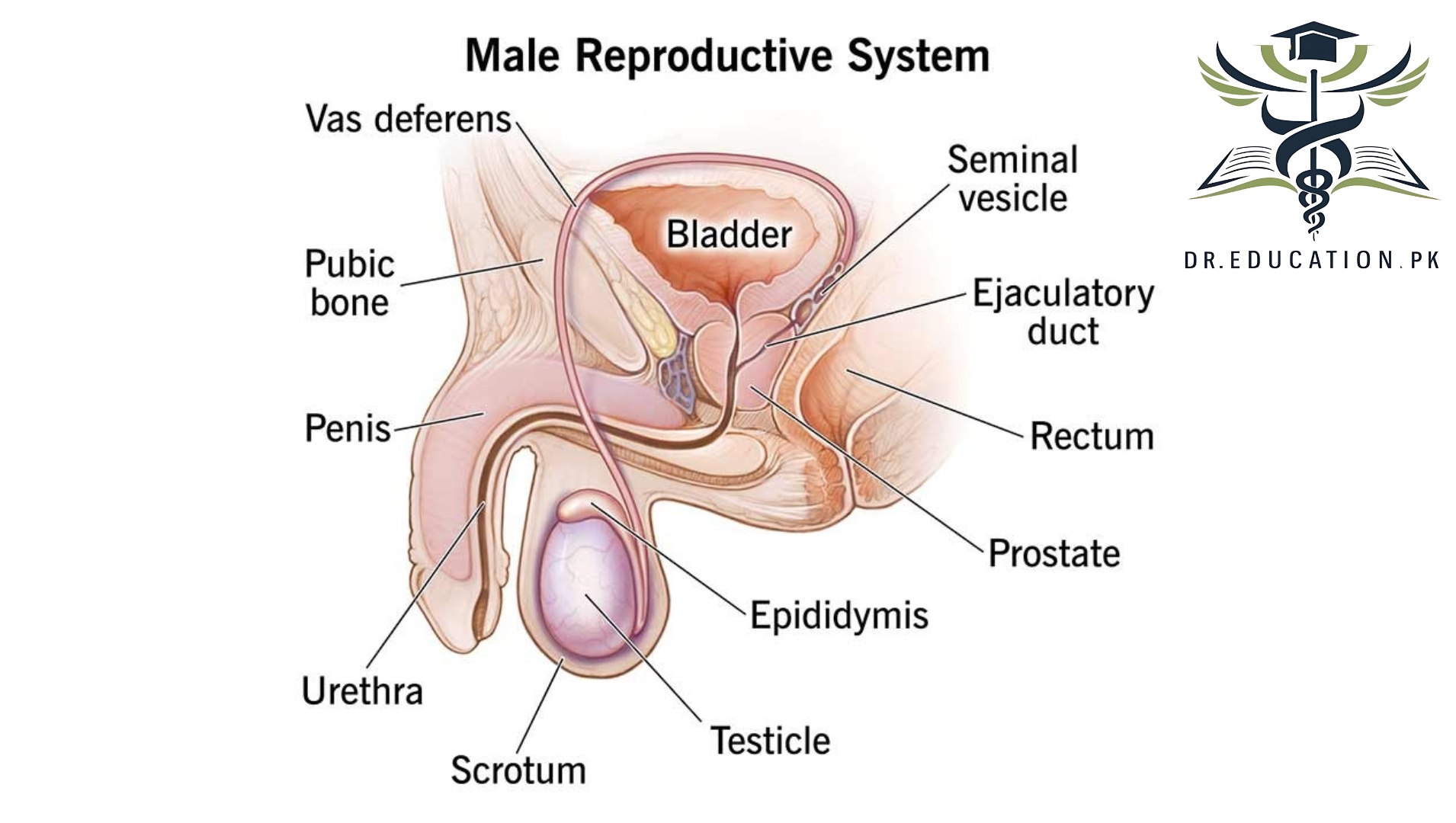
The male reproductive system includes the external genitals (the penis, testes and the scrotum) and internal parts, including the prostate gland, vas deferens and urethra. Your fertility and sexual traits depend on the normal functioning of your reproductive system, as well as hormones released from the brain.
The male reproductive system refers to the organs involved in sexual function and in the production of children in men or people assigned male at birth (AMAB). These organs are both external and internal. Together, they make, store, and ejaculate sperm, which fertilizes eggs produced by the female reproductive system in order to begin a pregnancy. The male reproductive system also produces hormones such as testosterone, which play a key role in male development.
However, those organs do not function fully until puberty. This is a period in which a child begins the physical transformation into adulthood.
Puberty kicks off when your hypothalamus and your pituitary gland start to produce hormones that tell your testicles to start making testosterone and sperm. Testosterone, the main male sex hormone, is responsible for the growth and development of your penis, testicles, and scrotum, as well as your prostate gland and your seminal vesicles, both of which help make semen.
Testosterone also helps with what are called secondary sex characteristics. These include the following:
- Hair on your genitals, face, and armpits
- Muscle development
- Deepening of your voice and other vocal changes
- Growth spurts that increase your height
The male reproductive system is important for reproduction. It is made of the following parts:
- Penis
- Scrotum
- Testes (or testicles)
- Epididymis
- Vas deferens
- Prostate gland
- Urethra
- Seminal vesicles
Function
What does the male reproductive system do?
The organs that make up the male reproductive system perform the following:
- Produce, maintain and transport sperm cells and semen. Sperm cells are male reproductive cells. Semen is the protective fluid around sperm.
- Discharge sperm.
- Produce and secrete male sex hormones.
Male Reproductive System Parts and Functions
External male reproductive organs
Unlike the female reproductive system, most of the male reproductive system is located outside of the body. These external structures include the penis, scrotum, testicles, and epididymis.
- Penis . This is the male organ used in sexual intercourse. Your penis has three parts: the root, which attaches to the wall of the abdomen; the body, or shaft; and the glans, which is the cone-shaped part at the end of your penis. The glans, also called the head of the penis, is covered with a loose layer of skin called foreskin. This skin is sometimes removed in a procedure called circumcision. The opening of the urethra, the tube that transports semen and pee, is at the tip of the penis. The glans of the penis also contains a number of sensitive nerve endings.
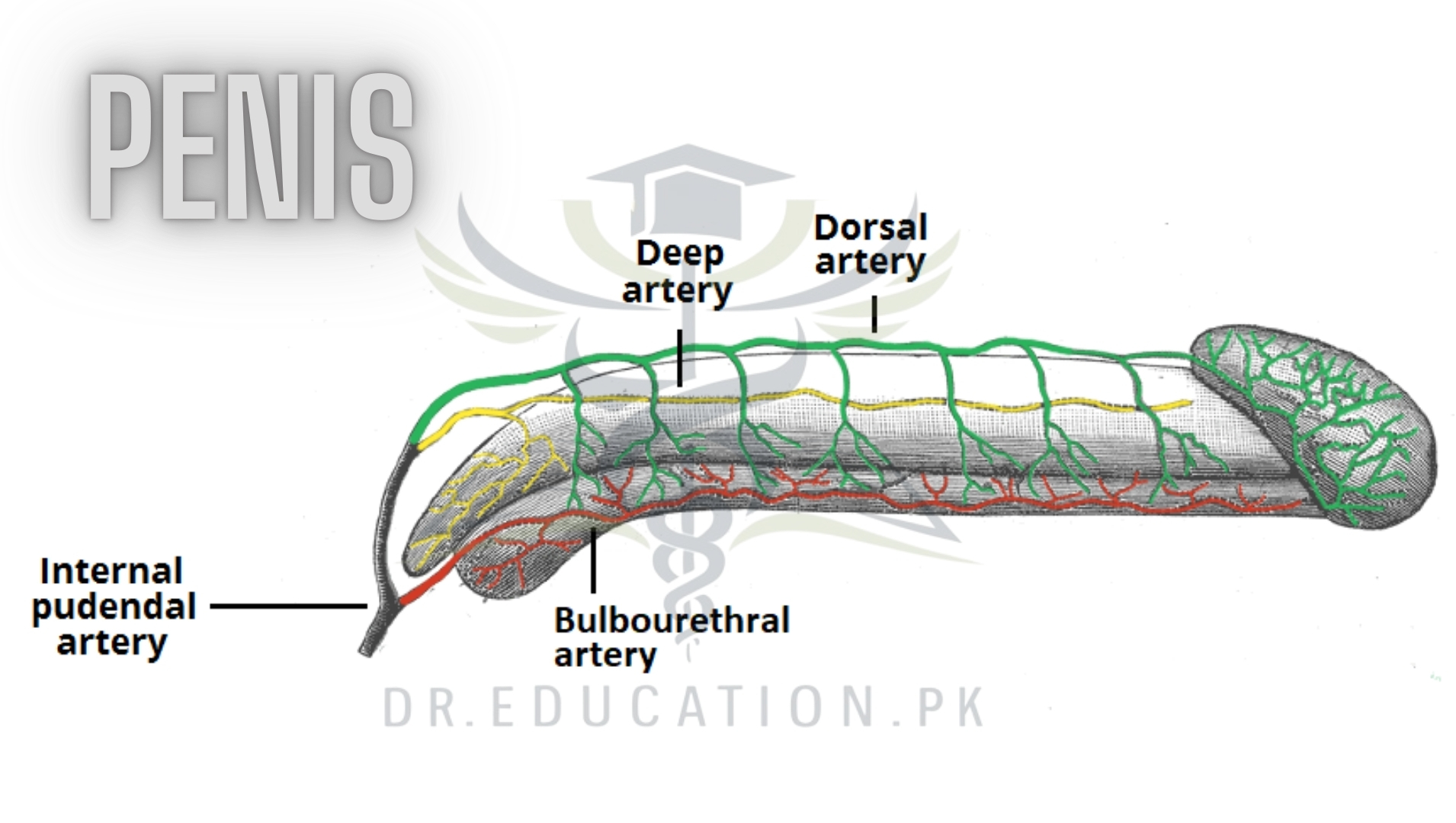
The body of your penis is cylindrical in shape and consists of three circular shaped chambers. These chambers are made up of special, spongelike tissue. This tissue contains thousands of large spaces that fill with blood when you are sexually aroused. As the penis fills with blood, it becomes rigid and erect, which allows for penetration during sexual intercourse. The skin of the penis is loose and elastic to allow for changes in penis size during an erection.
Semen, which contains sperm (reproductive cells), is expelled (ejaculated) through the end of your penis when you reach sexual climax (orgasm). When your penis is erect, the flow of pee is blocked from the urethra, allowing only semen to be ejaculated at orgasm.
What is a normal size of the penis?
Studies suggest that the average penis is about 3.5 inches (8.9 cm) when flaccid (soft) and a little more than 5 inches (13 cm) when erect.
- Scrotum. This is the loose pouch-like sac of skin that hangs behind and below your penis. It contains the testicles (also called testes), as well as many nerves and blood vessels. The scrotum acts as a “climate control system” for your testes. For normal sperm development, the testes must be at a temperature slightly cooler than body temperature. Special muscles in the wall of your scrotum allow it to contract and relax, moving the testicles closer to your body for warmth or farther away from the body to cool their temperature.

- Testicles (testes). These are oval organs about the size of large olives that lie in your scrotum, secured at either end by a structure called the spermatic cord. Most men or people AMAB have two testes. The testes are responsible for making testosterone, the primary male sex hormone. They also make inhibin B (which plays a role in sperm production), insulin-like factor 3 (which helps with the development of the testes), Mullerian inhibiting substance hormone, or anti-Mullerian hormone (which helps with the growth of male sexual organs), and estradiol (which aids in sperm production).Your testes also produce sperm. Within your testes are coiled masses of tubes called seminiferous tubules. These tubes are responsible for producing sperm cells.
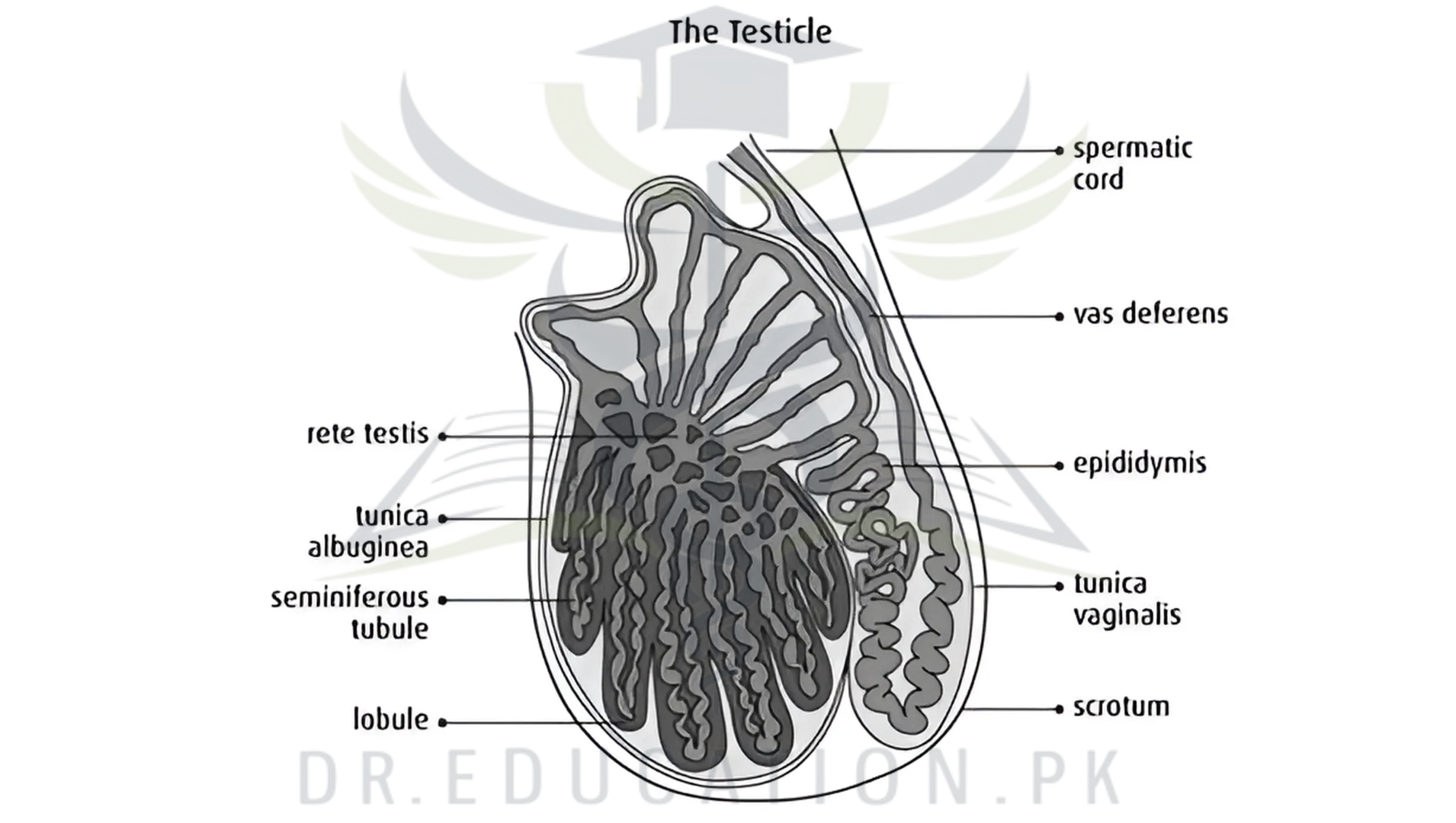
- Epididymis. The epididymis is a long, coiled tube that rests on the backside of each testicle. It transports and stores sperm cells that are produced in the testes. It also is the job of the epididymis to bring the sperm to maturity, since the sperm that emerge from the testes are immature and incapable of fertilization. During sexual arousal, contractions force the sperm into the vas deferens.
What are the internal parts of the male reproductive system?

There are several internal (accessory) organs in the male reproductive system. They include:
Vas deferens
The vas deferens is a long, muscular tube that travels from the epididymis into the pelvic cavity, just behind the urinary bladder. The vas deferens transports mature sperm to the urethra in preparation for ejaculation.
Ejaculatory ducts
Each testicle has a vas deferens that joins with seminal vesicle ducts to form ejaculatory ducts. The ejaculatory ducts move through your prostate, where they collect fluid to add to semen. They empty into your urethra.
Urethra
The urethra is the tube that carries pee from your bladder outside of your body. If you have a penis, it also ejaculates semen when you reach orgasm.
Seminal vesicles
The seminal vesicles are sac-like pouches that attach to the vas deferens near the base of the bladder. Seminal vesicles make up to 80% of your ejaculatory fluid, including fructose. Fructose is an energy source for sperm and helps them move (motility).
Prostate gland
The prostate is a walnut-sized gland that rests below your bladder, in front of your rectum. The prostate adds additional fluid to ejaculate, which helps nourish sperm. The urethra runs through the center of the prostate gland.
Bulbourethral (Cowper) glands
The bulbourethral glands are pea-sized structures on the sides of your urethra, just below your prostate. They create a clear, slippery fluid that empties directly into the urethra. This fluid lubricates the urethra and neutralizes any acids that may remain from your pee.
Male Reproductive Hormones.
The entire male reproductive system is dependent on hormones, which are chemicals that control the activity of many different types of cells or organs. There are two types of hormones involved in sexual function and characteristics.
Androgens. This group of sex hormones is found in much higher levels in men/people AMAB. The most common androgen is testosterone. It helps to make sperm and is also responsible for the development of male characteristics, including muscle mass and strength, fat distribution, bone mass, facial hair growth, voice change, and sex drive.
Estrogens. These hormones occur in much higher levels in women or people assigned female at birth. They are responsible for female growth and reproductive development. Men also have estrogen, but in smaller amounts. Low estrogen in men or people AMAB can cause decreased interest in sex and added belly fat. High estrogen levels may cause infertility, larger breasts, and poor erections
In addition to testosterone, the primary hormones involved in the male reproductive system are follicle-stimulating hormone and luteinizing hormone.
Follicle-stimulating hormone is necessary for sperm production (spermatogenesis), and luteinizing hormone stimulates the production of testosterone, which is also needed to make sperm. Both of these hormones are made by your pituitary gland, a pea-size gland that’s located in the base of your brain.
Conclusion from Dreducation.pk
In conclusion, the male reproductive system is a complex network of organs and hormones that work together to ensure sexual function and reproduction. It consists of external structures like the penis and scrotum, and internal components such as the vas deferens, prostate gland, and seminal vesicles. Together, these organs produce, store, and transport sperm, which is essential for fertilization and reproduction. Hormones like testosterone and follicle-stimulating hormone play crucial roles in this system, influencing not only reproductive processes but also the development of secondary sexual characteristics during puberty.
READ BOOKS
Male Reproductive System – Anatomy & Function
FAQs
What is the male reproductive system?
The male reproductive system consists of a number of organs, both external and internal, that work together to produce, store, and transport sperm. It also produces male sex hormones like testosterone, which are vital for reproduction and sexual function.
What are the main functions of the male reproductive system?
The main functions of the male reproductive system include producing sperm, discharging sperm during ejaculation, and producing hormones such as testosterone that regulate sexual characteristics and fertility.
What organs make up the male reproductive system?
The male reproductive system includes external organs like the penis, scrotum, and testicles, as well as internal organs such as the vas deferens, prostate gland, seminal vesicles, and urethra.
What role does the penis play in reproduction?
The penis is the male organ used for sexual intercourse. During arousal, it becomes erect, allowing for the delivery of sperm into the female reproductive system to fertilize an egg.
What is the scrotum?
The scrotum is a pouch of skin located below the penis that contains the testicles. It acts as a temperature regulator, keeping the testicles slightly cooler than the body, which is essential for sperm production.
What are testicles and what do they do?
Testicles, also known as testes, are oval-shaped organs located in the scrotum. They produce sperm and the hormone testosterone, which is crucial for male development and reproductive function.
What is testosterone and why is it important?
Testosterone is the primary male sex hormone responsible for the development of male sexual characteristics, such as muscle mass, deepening of the voice, facial hair, and the production of sperm.
How does the male reproductive system change during puberty?
During puberty, the male body begins to produce higher levels of testosterone. This leads to the development of secondary sexual characteristics such as facial hair, a deeper voice, increased muscle mass, and the ability to produce sperm.
What is the function of the epididymis?
The epididymis is a coiled tube that sits behind each testicle. It stores and helps mature sperm after they are produced in the testicles.
What is the vas deferens?
The vas deferens is a long muscular tube that transports mature sperm from the epididymis to the urethra in preparation for ejaculation.
What are the seminal vesicles?
The seminal vesicles are sac-like structures attached to the vas deferens near the base of the bladder. They produce a fluid that makes up a significant portion of semen and provides sperm with energy.
What is the function of the prostate gland?
The prostate gland is located below the bladder and produces a fluid that nourishes and protects sperm. This fluid is mixed with sperm to create semen during ejaculation.
What is the urethra and its role in the male reproductive system?
The urethra is a tube that carries urine from the bladder out of the body. In males, it also serves as the channel for semen during ejaculation.
What are the bulbourethral glands?
The bulbourethral glands, also known as Cowper’s glands, are pea-sized glands located below the prostate. They produce a clear fluid that lubricates the urethra and neutralizes any acidic urine left before ejaculation.
What is semen and what does it contain?
Semen is the fluid that is ejaculated during sexual climax. It contains sperm and fluids from the prostate, seminal vesicles, and bulbourethral glands, which nourish and protect the sperm during their journey to fertilize an egg.
What is the role of sperm in reproduction?
Sperm are the male reproductive cells that fertilize a female’s egg. Once fertilization occurs, it leads to the formation of a zygote, which can develop into a fetus.
How many sperm are produced by the testicles?
The testicles produce millions of sperm each day. On average, each ejaculation contains between 15 million and 200 million sperm.
What is spermatogenesis?
Spermatogenesis is the process by which sperm are produced in the testicles. This process takes about 64 days and involves the transformation of spermatogonial stem cells into mature sperm cells.
What triggers the production of sperm?
The production of sperm is triggered by the release of hormones from the hypothalamus and pituitary gland, specifically luteinizing hormone (LH) and follicle-stimulating hormone (FSH), which stimulate the testicles to produce sperm and testosterone.
How is testosterone produced?
Testosterone is produced by the Leydig cells in the testicles in response to luteinizing hormone (LH), which is secreted by the pituitary gland.
What are the secondary sexual characteristics in males?
Secondary sexual characteristics in males include increased body and facial hair, deepening of the voice, muscle development, and growth of the penis and testicles, which occur during puberty due to rising testosterone levels.
What is the role of luteinizing hormone (LH) in males?
Luteinizing hormone (LH) stimulates the testicles to produce testosterone, which is essential for the production of sperm and the development of male sexual characteristics.
What is the role of follicle-stimulating hormone (FSH) in males?
Follicle-stimulating hormone (FSH) is crucial for spermatogenesis, as it stimulates the Sertoli cells in the testicles to support the development of sperm cells.
How does the male reproductive system contribute to fertility?
The male reproductive system contributes to fertility by producing, storing, and transporting sperm. Sperm must fertilize a female’s egg to initiate pregnancy. Proper hormonal regulation and healthy sperm are vital for fertility.
What happens during ejaculation?
During ejaculation, sperm move from the epididymis through the vas deferens, mix with fluids from the seminal vesicles and prostate, and are expelled from the body through the urethra.
What is erectile dysfunction (ED)?
Erectile dysfunction (ED) is the inability to achieve or maintain an erection sufficient for sexual intercourse. It can be caused by physical, psychological, or hormonal factors and affects male reproductive and sexual function.
What is male infertility?
Male infertility occurs when a man has a low sperm count, poor sperm motility, or abnormal sperm shape, making it difficult for him to fertilize an egg. It can result from a variety of factors, including hormonal imbalances, medical conditions, or lifestyle choices.
How does age affect the male reproductive system?
As men age, testosterone levels gradually decrease, which can lead to a decline in sperm production, erectile function, and libido. While fertility decreases with age, many men can still father children later in life.
Can lifestyle factors affect the male reproductive system?
Yes, lifestyle factors such as smoking, excessive alcohol consumption, poor diet, stress, and lack of exercise can negatively affect sperm quality and overall reproductive health. Maintaining a healthy lifestyle is important for optimal reproductive function.
What is a vasectomy and how does it affect the male reproductive system?
A vasectomy is a surgical procedure that cuts and seals the vas deferens, preventing sperm from being transported from the testicles. It is a form of permanent birth control that does not affect testosterone production or sexual function.


