What is Mental Health?
According to WHO,
Mental health is a state of mental well-being that enables people to cope with the stresses of life, realize their abilities, learn well and work well, and contribute to their community. It has intrinsic and instrumental value and is integral to our well-being.
The WHO states that mental health is “more than the absence of mental disorders.” Peak mental health is about managing active conditions and maintaining wellness and happiness.
The organization also emphasizes that preserving and restoring mental health is important at individual, community, and societal levels.
In the United States, the National Alliance on Mental Illness estimates that almost 1 in 5 adults experience mental health problems each year.
In 2021, an estimated 14.1 million adults in the U.S., about 5.5% of the adult population, had a serious psychological condition, according to the National Institute of Mental Health (NIMH).
Overview
What is Mental Health?
Mental health includes our emotional, psychological, and social well-being. It affects how we think, feel, and act, and helps determine how we handle stress, relate to others, and make choices.
Mental health is important at every stage of life, from childhood and adolescence through adulthood. Over the course of your life, if you experience mental health problems, your thinking, mood, and behavior could be affected.
Mental health can affect a person’s day-to-day life, relationships, and physical health. External factors in people’s lives and relationships can also contribute to their mental well-being.
Looking after one’s mental health can help a person maintain their ability to enjoy life. This involves balancing their activities, responsibilities, and efforts to achieve psychological resilience.
Stress, depression, and anxiety can affect mental health and may disrupt a person’s routine.
Although healthcare professionals often use the term “mental health,” doctors recognize that many mental health conditions have physical roots.
Mental Health Conditions
Mental illnesses are disorders, ranging from mild to severe, that affect a person’s thinking, mood, and/or behavior. According to the National Institute of Mental Health, nearly one-in-five adults live with a mental illness.
Many factors contribute to mental health conditions, including:
- Biological factors, such as genes or brain chemistry
- Life experiences, such as trauma or abuse
- Family history of mental health problems
Some mental health topics include:
- Antisocial personality disorder
- Anxiety disorders (including generalized anxiety, panic disorders, obsessive-compulsive disorder (OCD), phobias, and social anxiety)
- Attention-deficit hyperactivity disorder (ADHD)
- Bipolar disorder
- Borderline Personality Disorder (BPD)
- Depression
- Eating disorders (including Anorexia Nervosa, binge eating Disorder, and Bulimia Nervosa)
- Post-traumatic Stress Disorder (PTSD)
- Schizophrenia
- Seasonal affective disorder (SAD)
- Self-harm
- Suicide and suicidal behavior
A Serious Mental Illness (SMI) is a mental illness that interferes with a person’s life and ability to function. Despite common misperceptions, having an SMI is not a choice, a weakness, or a character flaw. It is not something that just “passes” or can be “snapped out of” with willpower.
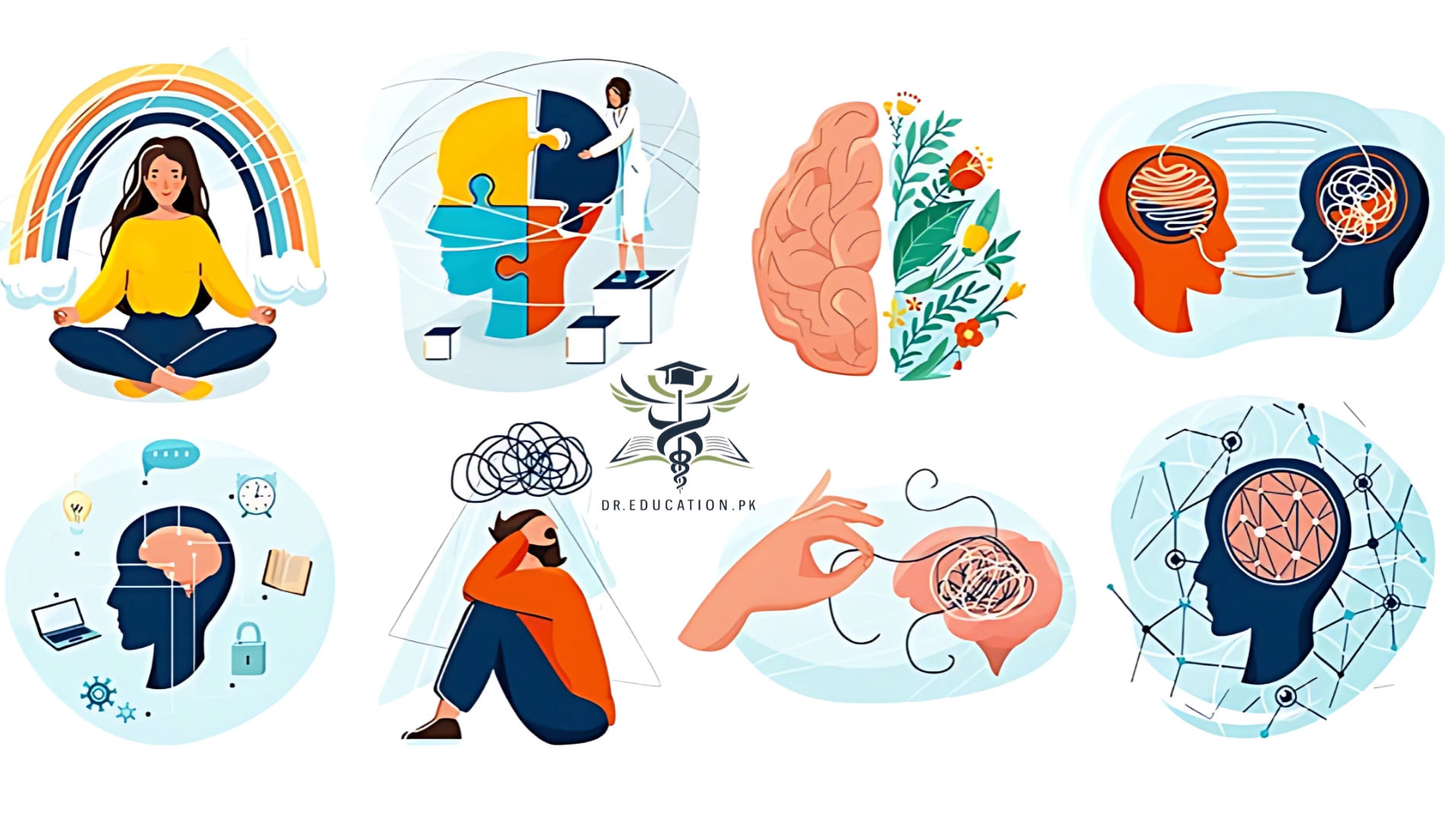
Risk factors for mental health conditions
Several risk factors can contribute to the development of mental health conditions. These factors can be biological, psychological, environmental, or a combination of these. Understanding them can help in prevention and early intervention. Here are some common risk factors:
1. Biological Factors:
- Genetics: Family history of mental health disorders can increase the risk of developing similar conditions.
- Neurochemical Imbalances: Chemical imbalances in the brain, particularly involving neurotransmitters like serotonin, dopamine, and norepinephrine, can contribute to conditions like depression, anxiety, or bipolar disorder.
- Chronic Medical Conditions: Conditions like chronic pain, diabetes, or heart disease can be linked to mental health challenges.
- Hormonal Changes: Hormonal fluctuations, such as those during puberty, pregnancy, or menopause, can affect mental health.
2. Psychological Factors:
- Early Childhood Trauma: Exposure to abuse, neglect, or witnessing violence in childhood can have long-term impacts on mental health.
- Personality Traits: Certain traits like low self-esteem, perfectionism, or impulsivity can predispose individuals to anxiety, depression, or other disorders.
- Stressful Life Events: Divorce, job loss, financial problems, or death of a loved one can trigger mental health conditions.
3. Environmental Factors:
- Socioeconomic Status: Poverty, unemployment, and lack of access to education can increase mental health risks.
- Social Isolation: Loneliness or lack of a support system can lead to depression and anxiety.
- Substance Abuse: Alcohol or drug misuse can either be a cause or a result of mental health disorders.
- Exposure to Violence or War: Living in conflict zones or experiencing violence can lead to conditions like PTSD (Post-Traumatic Stress Disorder).
4. Developmental and Social Factors:
- Major Life Changes: Events like moving to a new city, starting a new job, or retirement can be stressful and affect mental health.
- Discrimination and Stigma: Experiencing racism, sexism, or other forms of discrimination can increase the risk of anxiety, depression, and other conditions.
- Lack of Access to Healthcare: Difficulty accessing mental health services can prevent early diagnosis and treatment, worsening outcomes.
5. Family and Interpersonal Factors:
- Dysfunctional Family Dynamics: Living in a household with high levels of conflict, poor communication, or instability can increase mental health risks.
- Parental Mental Health Issues: Growing up with a parent who has a mental health disorder can increase the likelihood of developing similar issues.
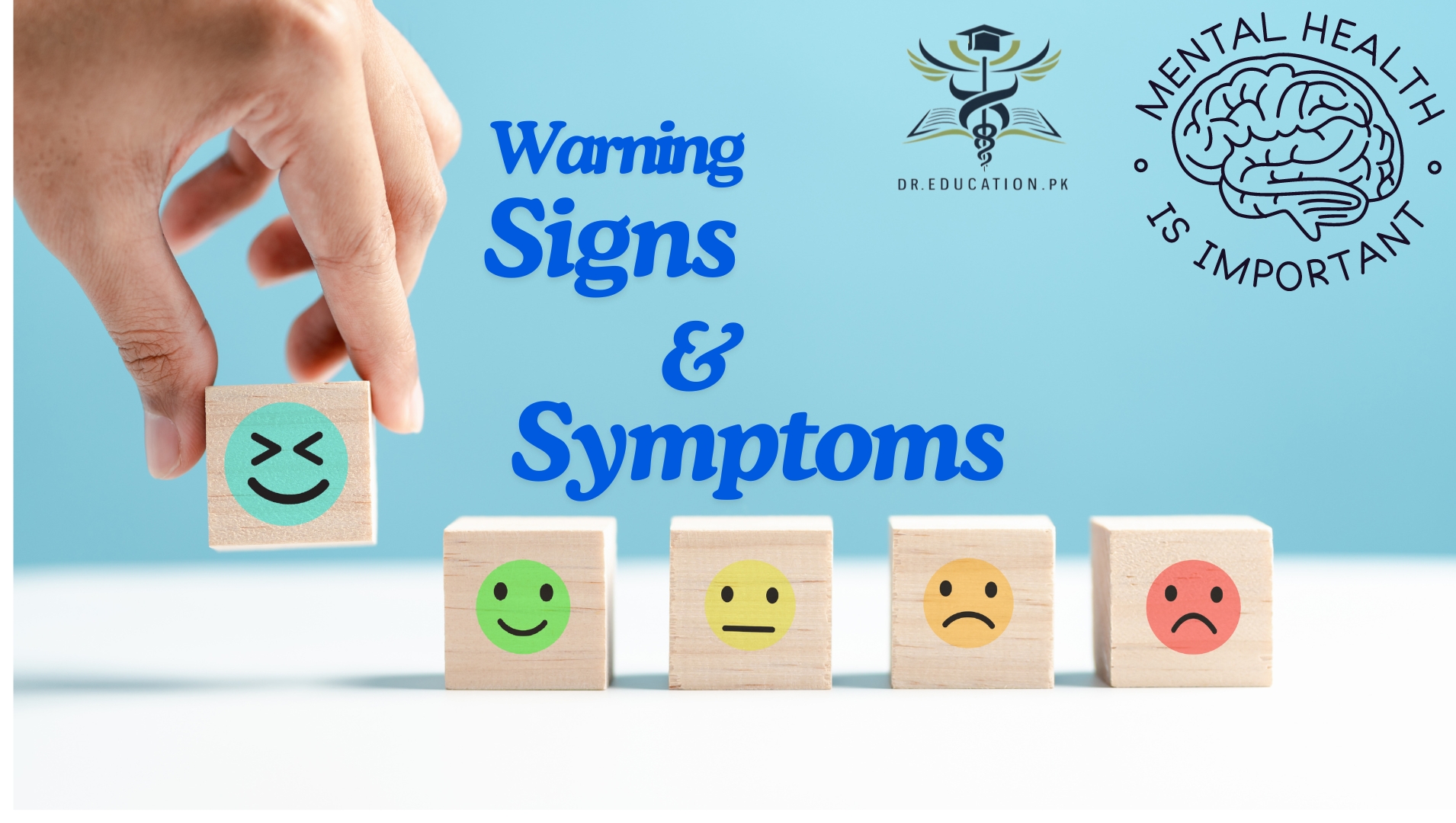
Early Warning Signs & Symptoms
Not sure if you or someone you know is living with mental health problems? Experiencing one or more of the following feelings or behaviors can be an early warning sign of a problem:
- Eating or sleeping too much or too little
- Pulling away from people and usual activities
- Having low or no energy
- Feeling numb or like nothing matters
- Having unexplained aches and pains
- Feeling helpless or hopeless
- Smoking, drinking, or using drugs more than usual
- Feeling unusually confused, forgetful, on edge, angry, upset, worried, or scared
- Yelling or fighting with family and friends
- Experiencing severe mood swings that cause problems in relationships
- Having persistent thoughts and memories you can’t get out of your head
- Hearing voices or believing things that are not true
- Thinking of harming yourself or others
- Inability to perform daily tasks like taking care of your kids or getting to work or school
Treatment
The treatment for mental health conditions typically involves a combination of approaches, depending on the specific condition, its severity, and individual needs. Effective treatment can include medication, therapy, lifestyle changes, and social support. Here’s an overview of common treatment methods:
1. Psychotherapy (Talk Therapy):
- Cognitive Behavioral Therapy (CBT): One of the most widely used therapies, CBT focuses on identifying and changing negative thought patterns and behaviors. It is effective for conditions like depression, anxiety, and PTSD.
- Dialectical Behavior Therapy (DBT): A form of CBT, DBT is especially useful for individuals with borderline personality disorder and those who experience intense emotional responses.
- Psychodynamic Therapy: This therapy explores unconscious patterns stemming from past experiences, focusing on how these influence present behavior.
- Interpersonal Therapy (IPT): This focuses on improving interpersonal relationships and social functioning to reduce mental health symptoms, often used for depression.
- Exposure Therapy: Commonly used for PTSD and phobias, it helps people face and manage fears in a controlled way.
- Family Therapy: Involves working with families to improve communication, resolve conflicts, and support one another in dealing with mental health issues.
2. Medication:
- Antidepressants: These medications (e.g., SSRIs like fluoxetine, or SNRIs like venlafaxine) are commonly used to treat depression, anxiety, and some other mood disorders.
- Anxiolytics: Medications like benzodiazepines (e.g., lorazepam) and other anti-anxiety drugs help manage anxiety disorders but are generally used for short-term treatment.
- Mood Stabilizers: Drugs such as lithium or anticonvulsants (e.g., valproate) are used to treat bipolar disorder and mood swings.
- Antipsychotics: Medications like risperidone or olanzapine help manage symptoms of schizophrenia and severe bipolar disorder.
- Stimulants: Often prescribed for ADHD (Attention-Deficit/Hyperactivity Disorder), medications like methylphenidate help with focus and impulse control.
3. Lifestyle Modifications:
- Exercise: Regular physical activity has been shown to reduce symptoms of depression and anxiety by releasing endorphins and improving mood.
- Healthy Diet: Nutrition affects mental health. Diets rich in omega-3 fatty acids, vegetables, fruits, and whole grains support brain health.
- Sleep Hygiene: Good sleep practices, like maintaining a consistent sleep schedule and creating a calming bedtime routine, are important for mental health.
- Stress Management: Techniques such as mindfulness, meditation, deep breathing, and progressive muscle relaxation can help reduce stress and manage mental health symptoms.
4. Support Systems:
- Peer Support: Talking with others who have experienced similar issues, such as through support groups, can provide a sense of community and understanding.
- Family and Friends: Emotional and practical support from loved ones is crucial for managing mental health conditions.
- Community and Religious Support: Spirituality, religion, or community involvement can also provide comfort and help build resilience.
5. Alternative and Complementary Therapies:
- Mindfulness and Meditation: These practices help with stress reduction and are particularly effective for managing anxiety and depression.
- Yoga and Tai Chi: These movement-based practices can help improve both physical and mental well-being.
- Art and Music Therapy: Expressing emotions through creative outlets can be therapeutic for many people, especially those with PTSD or trauma-related conditions.
6. Hospitalization and Intensive Treatment:
- For severe cases, such as those involving suicide risk, severe psychosis, or an inability to care for oneself, inpatient care or hospitalization may be necessary to provide intensive support, medication management, and a safe environment.
- Partial Hospitalization Programs (PHP) or Intensive Outpatient Programs (IOP): These offer intensive therapy and support without the need for full-time hospitalization.
7. Electroconvulsive Therapy (ECT) and Newer Therapies:
- ECT: Often used for treatment-resistant depression or severe mental health conditions, ECT involves brief electrical stimulation of the brain while the patient is under anesthesia.
- Transcranial Magnetic Stimulation (TMS): A non-invasive treatment that uses magnetic fields to stimulate nerve cells in the brain, TMS is effective for some cases of depression.
- Ketamine Therapy: Used for treatment-resistant depression, ketamine can provide rapid relief from depressive symptoms.
8. Self-care and Prevention:
- Developing Coping Skills: Learning to manage stress, setting healthy boundaries, and practicing self-compassion are essential for mental health maintenance.
- Regular Check-ins: Monitoring mental health through regular visits to a therapist or counselor can help catch early signs of deterioration.
- Work-Life Balance: Managing work demands and taking time for relaxation, hobbies, and relationships can prevent burnout and stress-related mental health issues.
Successful treatment often requires a combination of these approaches tailored to the individual’s needs. Collaboration between the patient, healthcare providers, and family is crucial for achieving the best outcomes.
Living Well with a Mental Health Condition
Having a mental health condition can make it a struggle to work, keep up with school, stick to a regular schedule, have healthy relationships, socialize, maintain hygiene, and more.
However, with early and consistent treatment—often a combination of medication and psychotherapy—it is possible to manage these conditions, overcome challenges, and lead a meaningful, productive life.
Today, there are new tools, evidence-based treatments, and social support systems that help people feel better and pursue their goals. Some of these tips, tools and strategies include:
- Stick to a treatment plan. Even if you feel better, don’t stop going to therapy or taking medication without a doctor’s guidance. Work with a doctor to safely adjust doses or medication if needed to continue a treatment plan.
- Keep your primary care physician updated. Primary care physicians are an important part of long-term management, even if you also see a psychiatrist.
- Learn about the condition. Being educated can help you stick to your treatment plan. Education can also help your loved ones be more supportive and compassionate.
- Practice good self-care. Control stress with activities such as meditation or tai-chi; eat healthy and exercise; and get enough sleep.
- Reach out to family and friends. Maintaining relationships with others is important. In times of crisis or rough spells, reach out to them for support and help.
- Develop coping skills. Establishing healthy coping skills can help people deal with stress easier.
- Get enough sleep. Good sleep improves your brain performance, mood and overall health. Consistently poor sleep is associated with anxiety, depression, and other mental health conditions.
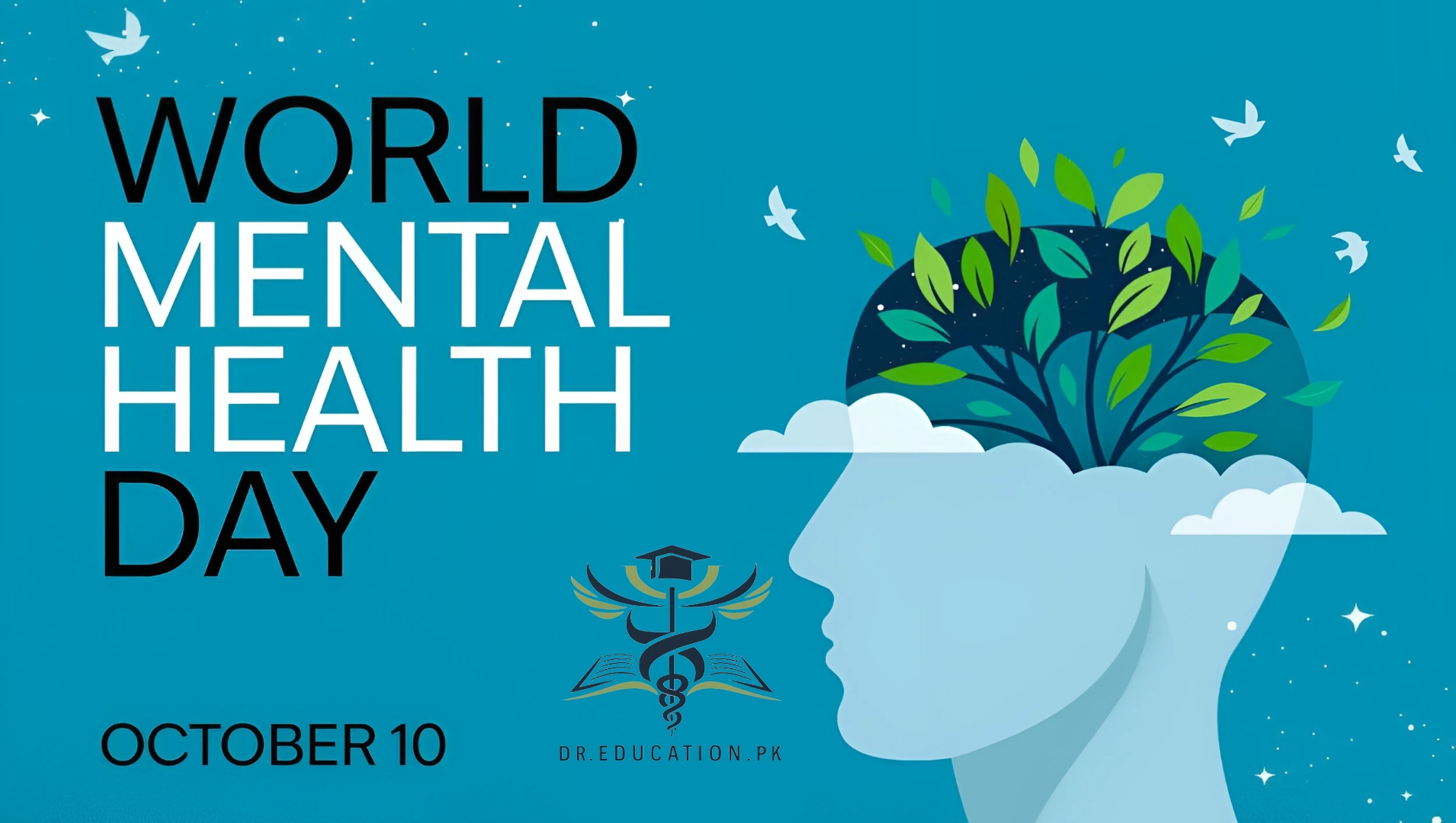
World Mental Health Day
World Mental Health Day is celebrated every year on 10 October.
On World Mental Health Day, let’s all come together to talk about mental health and show everyone that mental health matters. Talking about our mental health can help us cope better with life’s ups and downs. So, on World Mental Health Day and beyond it, why not check in with your friends, family, peers, or colleagues?
Conclusion from Dreducation.pk
In conclusion, mental health is a critical component of overall well-being, influencing how we think, feel, and interact with others. Understanding mental health conditions, their risk factors, and available treatments empowers individuals to take proactive steps toward managing their mental well-being. With the right combination of support, therapy, medication, and self-care, people can effectively navigate mental health challenges and lead fulfilling lives. Prioritizing mental health not only benefits individuals but also contributes to healthier communities and societies.