
What is Jaundice (Hyperbilirubinemia)?
According to Wikipedia,
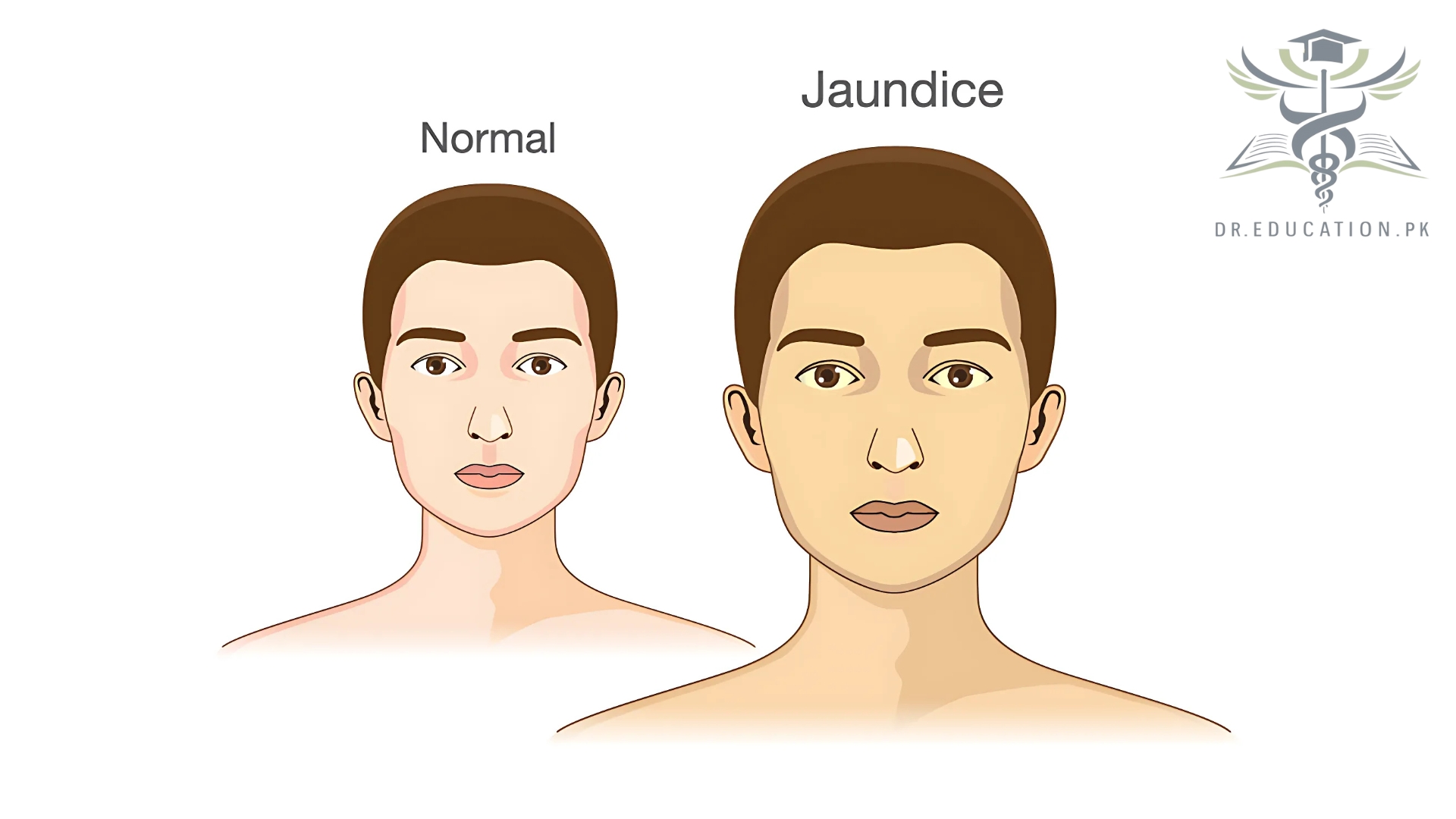
Jaundice, also known as Hyperbilirubinemia, is a yellowish or greenish pigmentation of the skin and sclera due to high bilirubin levels. Jaundice in adults is typically a sign indicating the presence of underlying diseases involving abnormal heme metabolism, liver dysfunction, or biliary-tract obstruction.
The prevalence of jaundice in adults is rare, while jaundice in babies is common, with an estimated 80% affected during their first week of life. The most commonly associated symptoms of jaundice are itchiness, pale feces, and dark urine.
Overview
What is Jaundice?
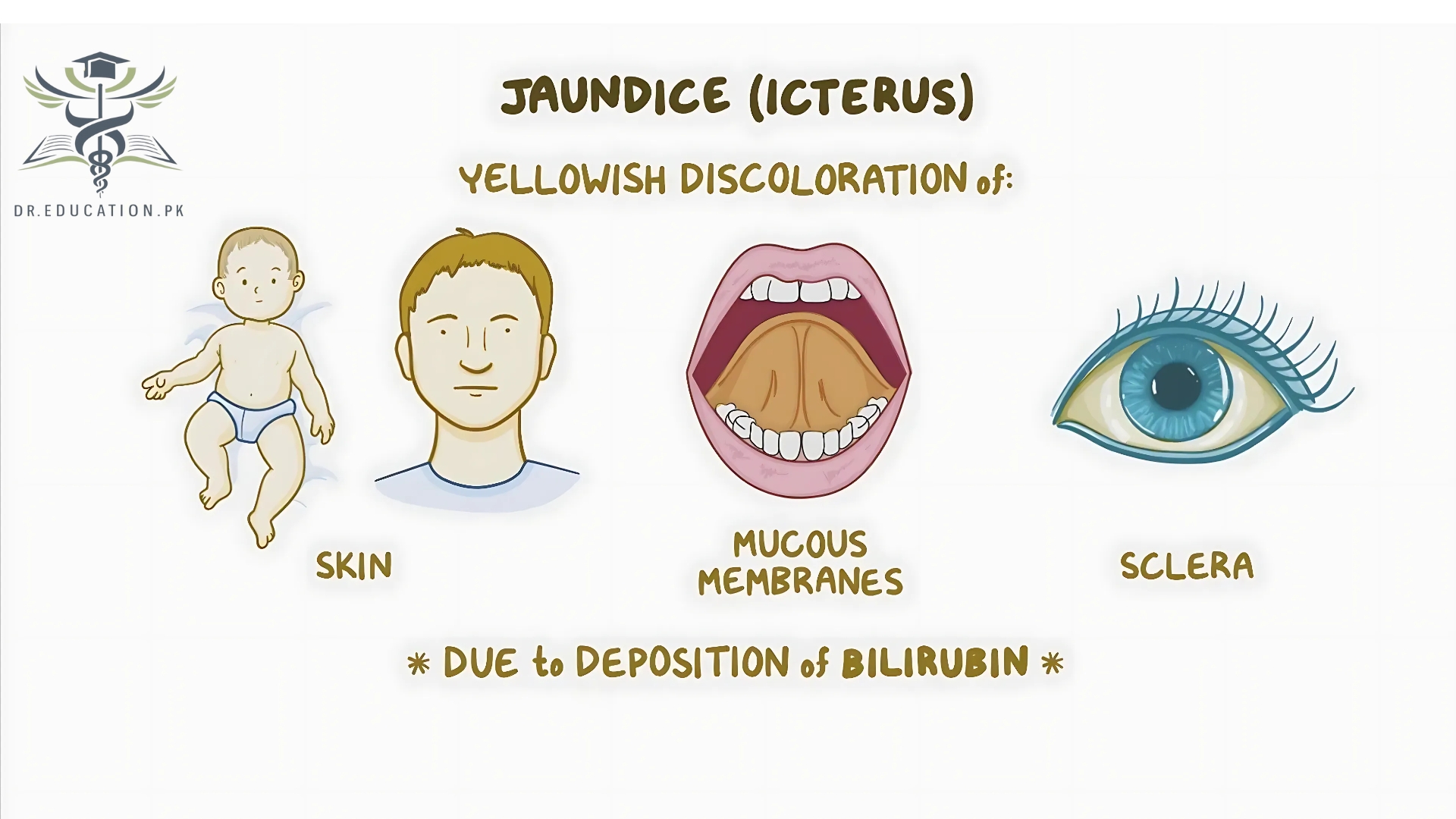
Jaundice (hyperbilirubinemia) is when your skin, sclera (whites of your eyes) and mucous membranes turn yellow. Jaundice occurs when your liver is unable to process bilirubin (a yellow substance made when red blood cells break down) in your blood. This can either be caused by too much red blood cell breakdown or liver injury.
How jaundice develops:
- Red blood cell breakdown: Your body regularly breaks down old red blood cells and replaces them with new ones. This breakdown process makes bilirubin.
- Bilirubin processing: Normally, your liver processes bilirubin, making it a part of bile (a bitter, greenish-brown fluid that helps digest food). Your liver then releases the bile into your digestive system.
- Too much bilirubin: Jaundice happens when your liver can’t process all the bilirubin your body makes, or if your liver has a problem releasing bilirubin.
- Yellow color: When there’s too much bilirubin in your blood, it starts to leak into tissues around your blood vessels. This leaking bilirubin makes your skin and the whites of your eyes yellow. This yellow color is a common sign of jaundice.
Types of Jaundice
There are four main types of jaundice, which are grouped by where the bilirubin collects in your body. A blood test can determine which type you have.
Prehepatic
If bilirubin builds up before blood enters the liver, it’s known as prehepatic jaundice. This means you’re breaking down red blood cells and creating more bilirubin than your liver can process.
Hepatic
If your liver isn’t able to process bilirubin well, it’s called hepatic jaundice.
Posthepatic
Posthepatic jaundice is when bilirubin builds up after passing through the liver and your body can’t clear it quickly enough.
Obstructive jaundice
This condition is when bile isn’t able to drain into your intestines because of a blocked or narrow bile or pancreatic duct. This type of jaundice has a high death rate, so it’s important to catch and treat it early.
Causes
A small number of red blood cells in your body die each day, and are replaced by new ones. The liver removes the old blood cells. This creates bilirubin. The liver helps break down bilirubin so that it can be removed by the body through the stool.
Jaundice can occur when too much bilirubin builds up in the body.
Jaundice can occur if:
- Too many red blood cells are dying or breaking down and going to the liver.
- The liver is overloaded or damaged.
- The bilirubin from the liver is unable to move normally into the digestive tract.
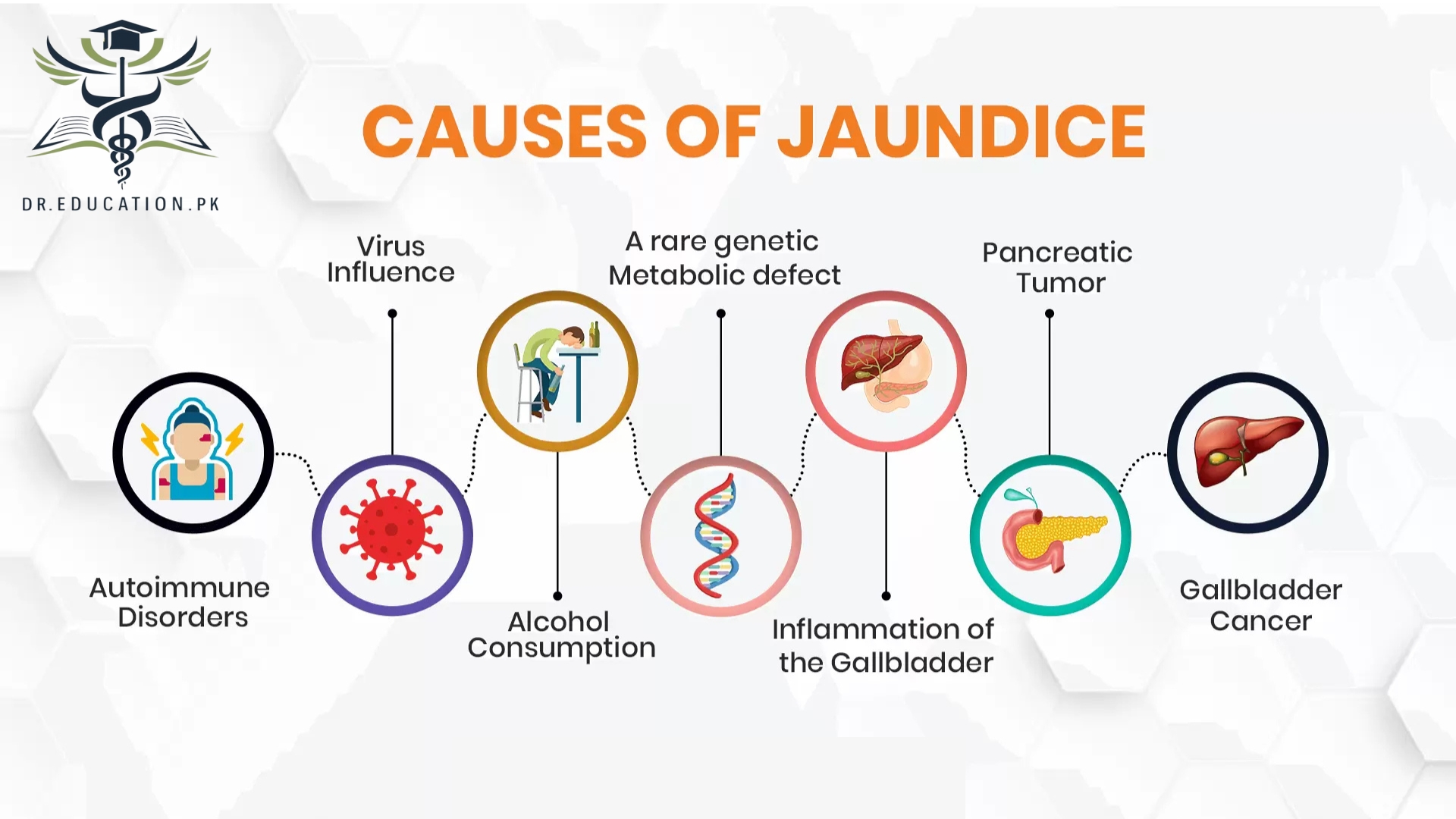
Jaundice is often a sign of a problem with the liver, gallbladder, or pancreas. Things that can cause jaundice include:
- Infections, most commonly viral
- Use of certain drugs
- Cancer of the liver, bile ducts or pancreas
- Blood disorders, gallstones, birth defects and a number of other medical conditions
Symptoms
You may not notice the yellow skin and sclera associated with jaundice. Your provider may find the condition when looking for something else. How serious your symptoms are depends on what causes them and how quickly or slowly they develop.
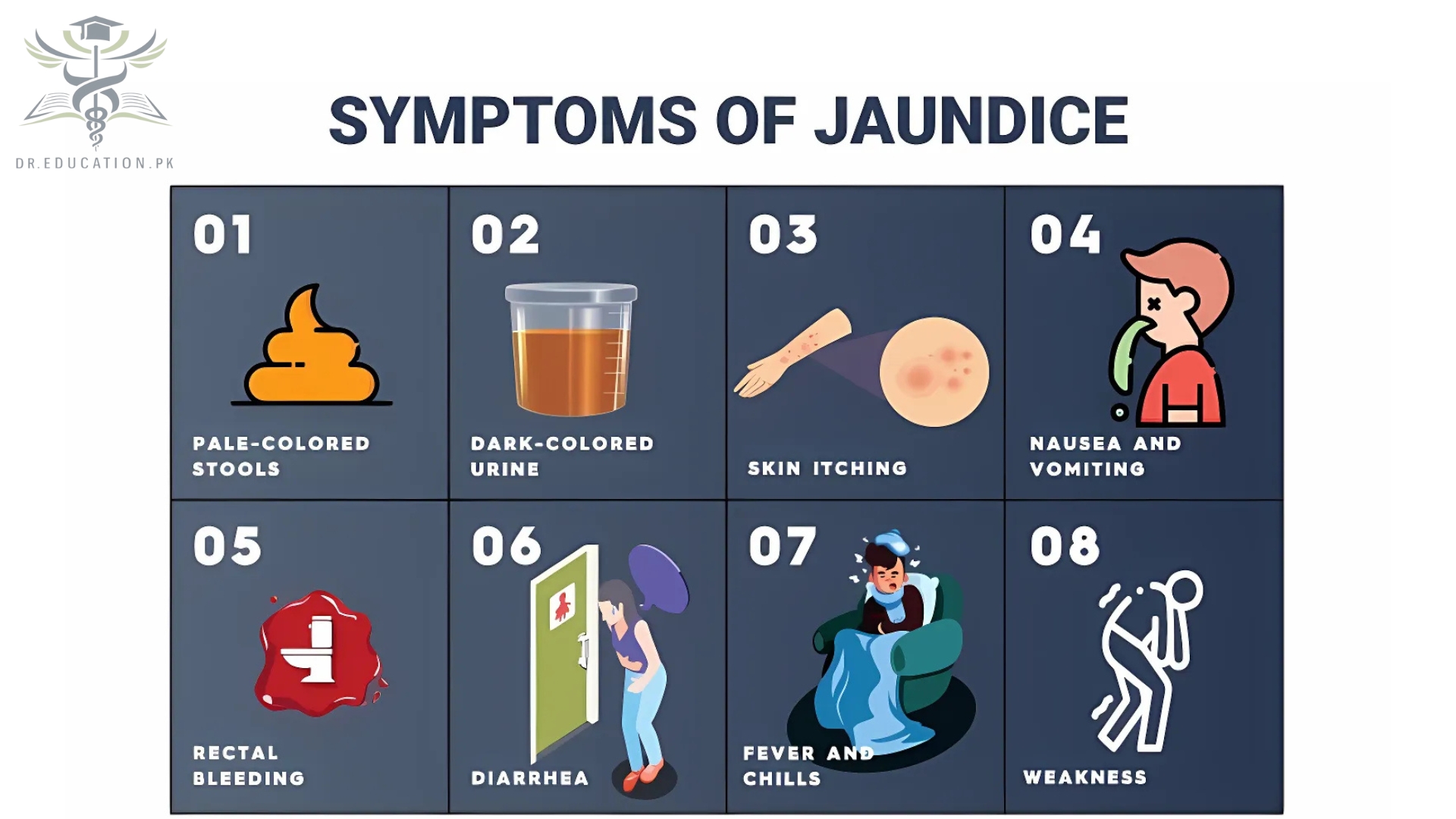
Symptoms that can be associated with jaundice include:
- Yellowish tint to your skin and the whites of your eyes.
- Fever.
- Chills.
- Pain in your belly.
- Flu-like symptoms.
- Dark-colored pee.
- Pale-colored poop.
- Being tired or confused.
- Itchy skin.
- Weight loss.
Diagnosing Jaundice
Your doctor will ask you about your symptoms and medical history. They’ll then give you a physical exam to see if there’s swelling in your liver.
To get more information, your doctor will likely order blood tests to measure bilirubin and cholesterol levels and get a complete blood count (CBC). If you have jaundice, your level of bilirubin will be high. Your doctor may order other tests to find the cause of your jaundice and how severe it is, including:
- A hepatitis panel, which is a blood test that shows if you have, or have had, hepatitis. It tests for hepatitis A, hepatitis B, and hepatitis C. If there are no hepatitis antibodies in your blood, it means you don’t have the condition, or you had it in the past, but your body has cleared it.
- Tests to check enzyme levels in the liver to see how well it is functioning. If enzyme levels are higher or lower than normal, it can mean you have disease or damage to the liver or bile ducts.
- Imaging, like a CT scan, ultrasound, or magnetic resonance cholangiopancreatography, a type of MRI that checks for blocked ducts near the gallbladder
- A liver biopsy, to show if you have damage to, or disease in, your liver. During the test, a small piece of your liver is removed either with a needle inserted into the belly to the liver, through a vein in your neck, or through a cut in your belly.
- Prothrombin time, which measures how long it takes for blood plasma to clot. Your blood will be taken, and a laboratory will test it to see if it clots faster or slower than the normal range (which is between 10 and 13 seconds). If it clots too slowly, that may mean there are problems with your liver.
Jaundice Treatment
In adults, jaundice itself usually isn’t treated. But your doctor will treat the condition that’s causing it.
If you have acute viral hepatitis, jaundice will go away on its own as your liver heals. If a blocked bile duct is to blame, your doctor may suggest surgery to open it. If your skin is itching, your doctor can prescribe cholestyramine to be taken by mouth. This medication is used to remove bile acids from your body, which cause itching.
Phototherapy for jaundice
Phototherapy uses a fluorescent white or blue-spectrum light that breaks down bilirubin so it can be released from the body. This treatment is used for newborns, but phototherapy has not been shown to be effective for treating jaundice in adults.
Can you prevent jaundice?
Since there are many causes of jaundice, it’s hard to find ways to prevent it. Some general tips include:
- Avoiding hepatitis infection by getting vaccinated, having safe sex, using clean needles and practicing good personal hygiene like thorough hand-washing with soap and water.
- Staying within recommended alcohol limits.
- Maintaining a weight that’s healthy for you.
- Avoiding natural and herbal supplements.
- Managing your cholesterol.
Do children get jaundice?
Jaundice is common in newborn babies. Like with adults, a buildup of bilirubin in your baby’s blood can cause jaundice. Since your baby’s liver is still developing, it can’t remove (or break down) all the bilirubin. Jaundice usually goes away on its own or providers treat it with phototherapy.
When to see a Doctor?
You should see a doctor if you notice any signs or symptoms of jaundice, particularly if they appear suddenly or worsen over time. Seek medical attention promptly if you experience the following:
When to See a Doctor
- Yellowing of the skin or eyes: Especially if it’s accompanied by dark urine or pale stools.
- Abdominal pain: Persistent pain, especially in the upper right side of the abdomen.
- Unexplained fever or chills: May indicate an underlying infection.
- Fatigue or confusion: Especially if it interferes with daily activities.
- Itchy skin: Severe and persistent itching, particularly when accompanied by jaundice.
- Weight loss or loss of appetite: Unexplained changes in weight or eating habits.
- Signs of liver failure: Such as swelling in the legs or abdomen, or bleeding easily.
Emergency Situations
Call a doctor or seek immediate medical care if you experience:
- Severe abdominal pain.
- High fever with jaundice.
- Sudden changes in mental state, confusion, or extreme drowsiness.
- Yellowing of the skin or eyes in a newborn baby.
Early evaluation is essential to determine the cause of jaundice and initiate appropriate treatment.


