
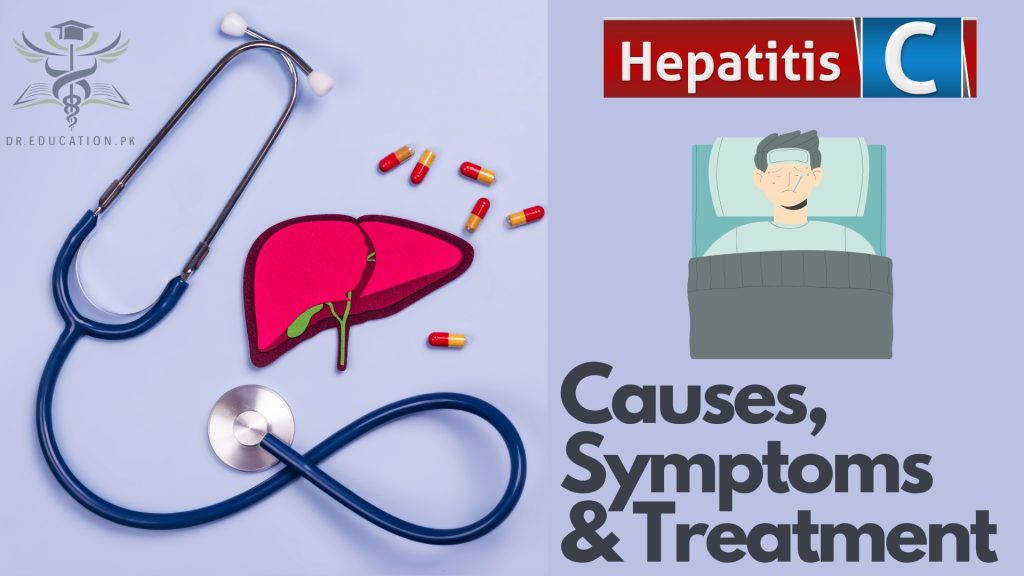
What is Hepatitis-C?
According to WHO,
- Hepatitis C is a viral infection that affects the liver. It can cause both acute (short term) and chronic (long term) illness. It can be life-threatening.
- Hepatitis C is spread through contact with infected blood. This can happen through sharing needles or syringes, or from unsafe medical procedures such as blood transfusions with unscreened blood products.
- Symptoms can include fever, fatigue, loss of appetite, nausea, vomiting, abdominal pain, dark urine and yellowing of the skin or eyes (jaundice).
- There is no vaccine for hepatitis C, but it can be treated with antiviral medications.
Overview
What is Hepatitis-C?
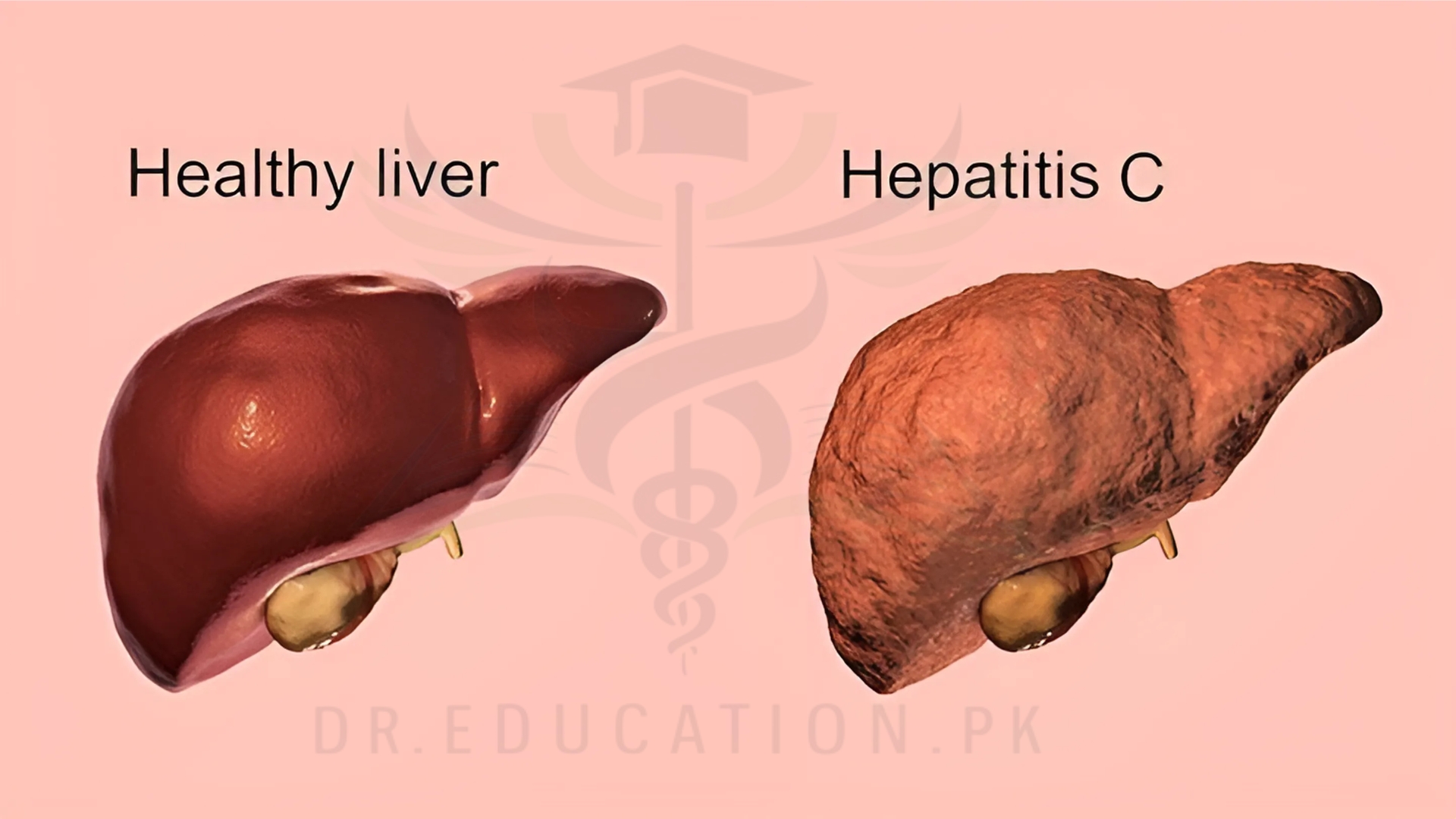
Hepatitis C is a viral infection that causes liver swelling, called inflammation. Hepatitis C can lead to serious liver damage. The hepatitis C virus (HCV) spreads through contact with blood that has the virus in it.
Newer antiviral medicines are the treatment of choice for most people with the ongoing, called chronic, hepatitis C infection. These medicines often can cure chronic hepatitis C.
But many people with hepatitis C don’t know they have it. That’s mainly because symptoms can take decades to appear. So, the U.S. Preventive Services Task Force recommends that all adults ages 18 to 79 years be screened for hepatitis C.
Screening is for everyone, even those who don’t have symptoms or known liver disease.
Stages of Hepatitis C
Most people won’t notice they have been infected with the hepatitis C virus because they either don’t have any symptoms or only get them many weeks later. A hepatitis C infection may go through several stages, including:
Incubation period
This is the time between when you are first exposed to hep C and the start of your symptoms. During this time, the virus is reproducing itself inside your cells. It’ll keep doing this until the levels of virus in your body get high enough for your immune system to recognize it as an infection. This period can last from 2 weeks to 6 months.
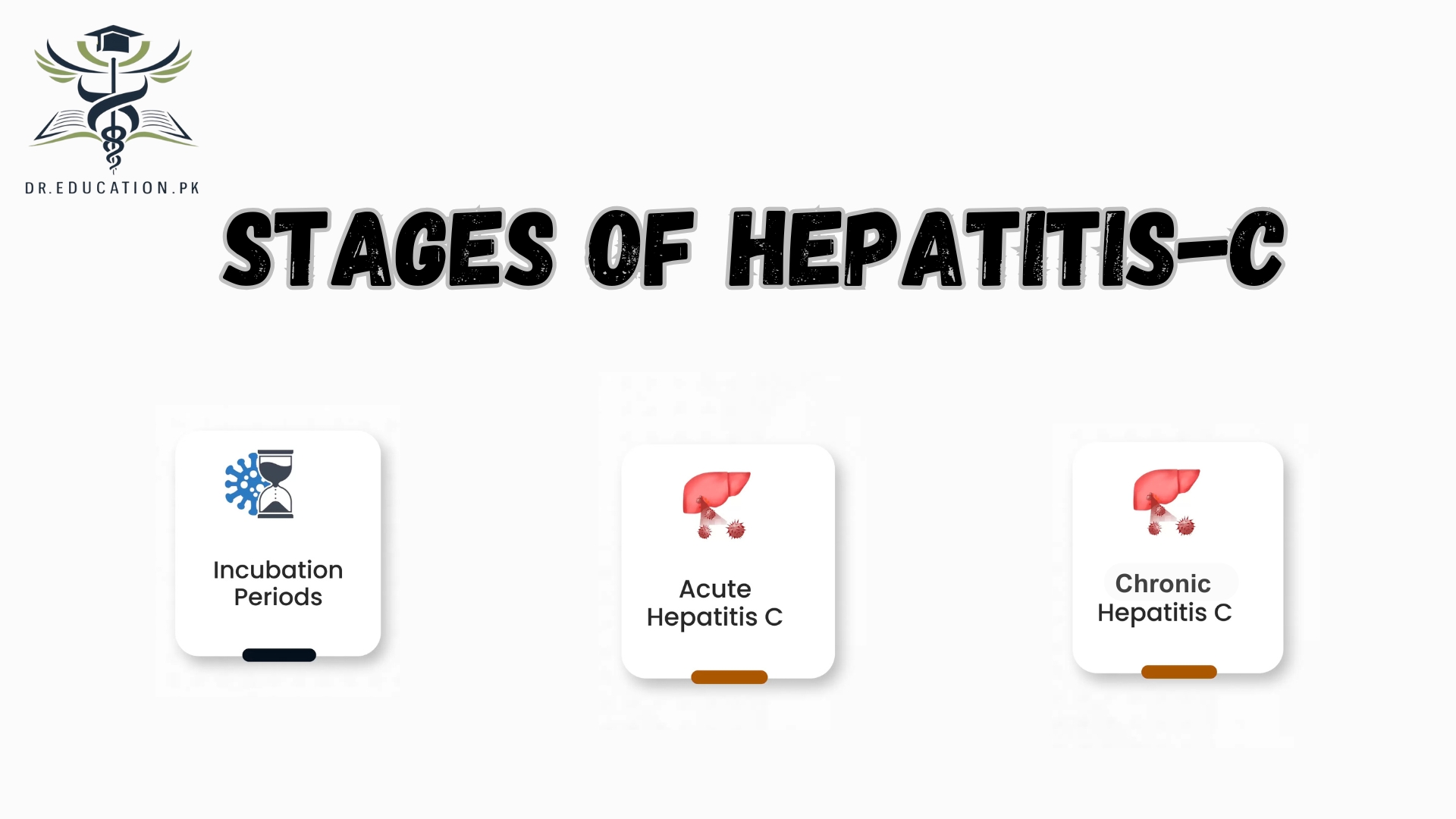
Acute hepatitis C
This is when you may start to notice symptoms if you have them. Only about 20% of people will have symptoms. This can last up to 3 months. Some people can fight off the virus during this time without needing any treatment.
Chronic hepatitis C
Most people (about 80%) can’t fight off the virus without treatment. In this case, you will develop chronic hepatitis C. Hep C infection causes inflammation in your liver that will eventually lead to damage and permanent scarring (cirrhosis). Cirrhosis of the liver is a serious condition that can get worse over time.
Symptoms and Causes
What are the symptoms of hepatitis C?
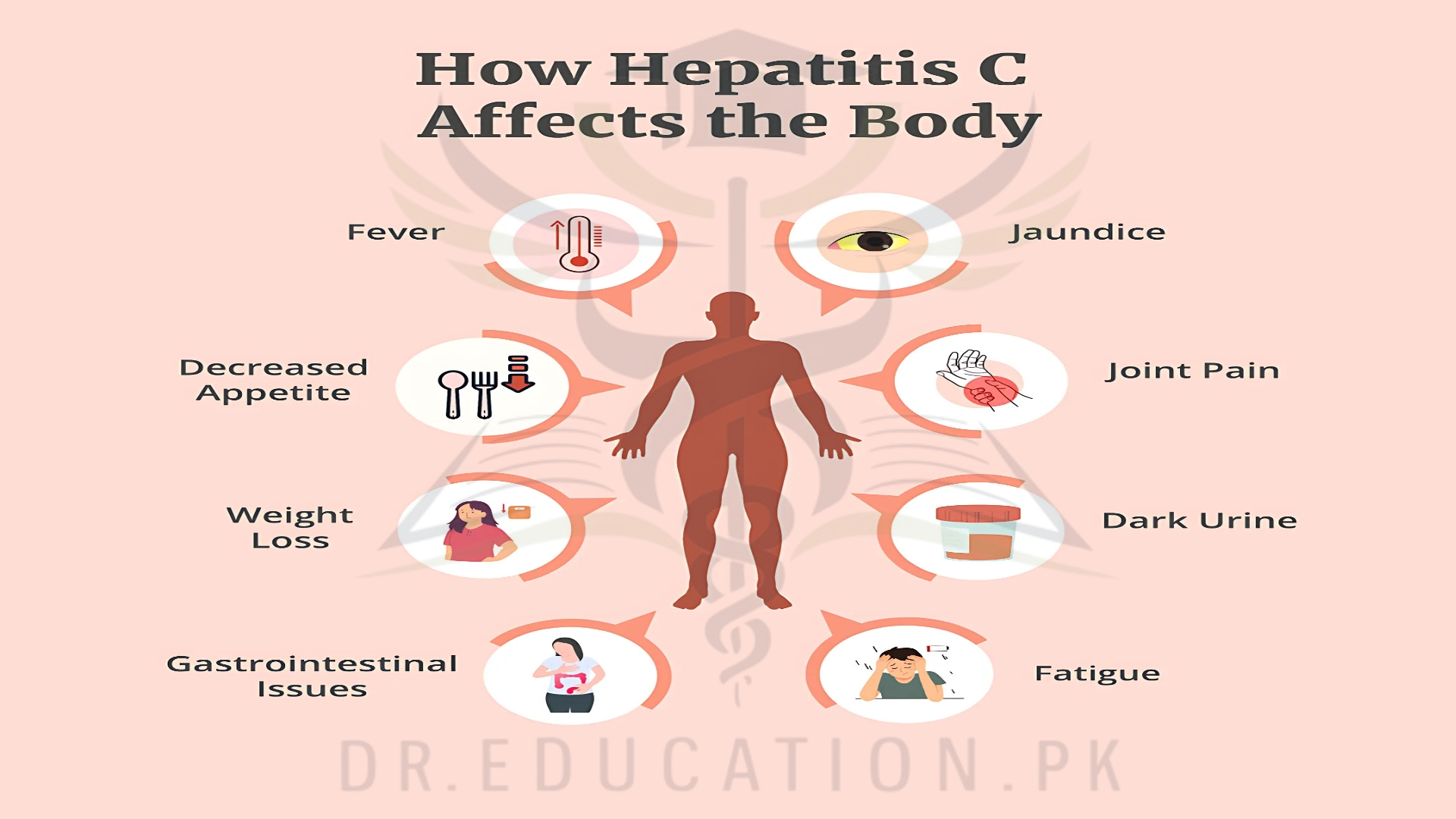
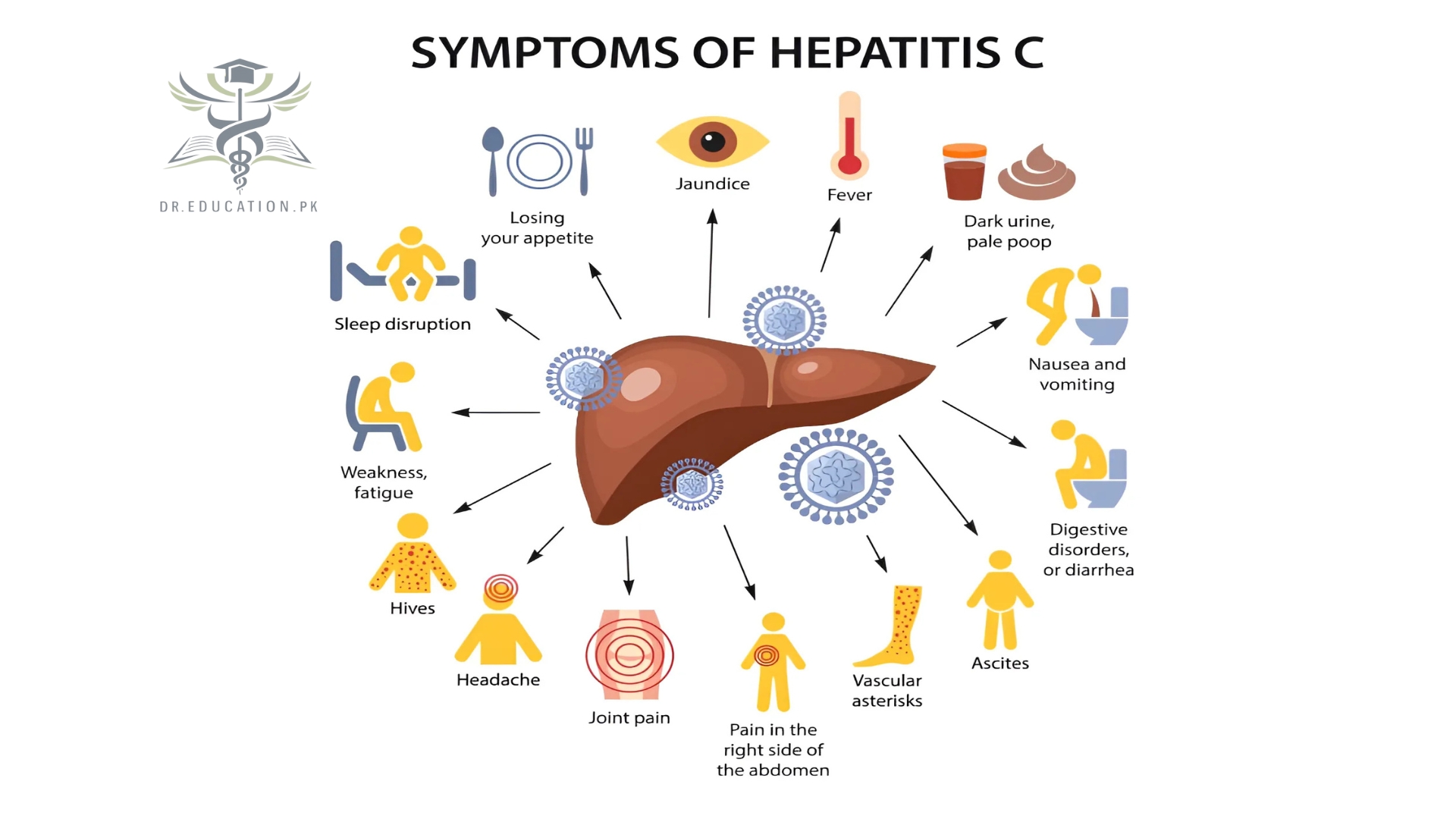
Most people don’t have any symptoms. People with acute hepatitis C may feel like they’re coming down with flu. They may have the following symptoms:
- Abdominal pain
- Body aches
- Dark-colored pee (urine)
- Fatigue
- Fever
- Gray- or clay-colored poop (stool)
- Jaundice
- Joint pain
- Loss of appetite
- Nausea and vomiting
Chronic hepatitis C symptoms happen over months and, sometimes, years. Often, the first symptoms you may notice are symptoms of cirrhosis like:
- Confusion and changes in behavior and mood from hepatic encephalopathy
- Excessive bleeding (hemorrhage)
- Jaundice
- Pain in your upper left abdomen (belly)
- Reddish or dark-colored skin on your palms
- Small, spiderlike blood vessels in your skin (spider angiomas)
- Swollen belly and unexplained weight gain from ascites (fluid buildup in your belly)
- Vomiting blood because swollen veins in your esophagus (esophageal varices) cause bleeding in your digestive tract
Causes
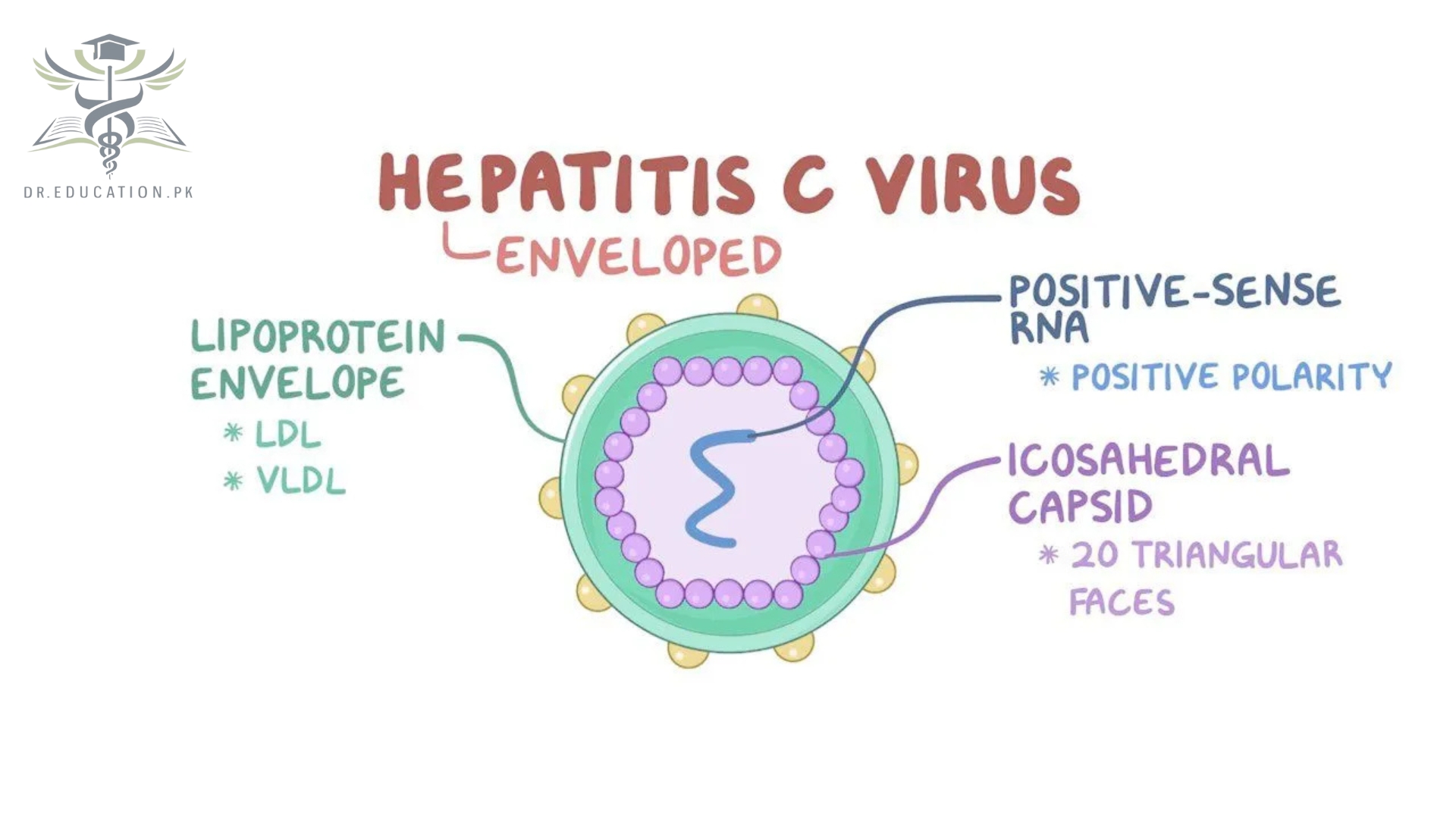
Hepatitis C infection is caused by the hepatitis C virus (HCV). The infection spreads when blood that has the virus enters the bloodstream of a person who isn’t affected.
Around the world, hepatitis C infection exists in several forms, called genotypes. There are seven genotypes and 67 subtypes. The most common hepatitis C genotype in the United States is type 1.
Chronic hepatitis C follows the same course no matter what the genotype of the infecting virus. But treatment can vary depending on viral genotype. However, newer antiviral drugs can treat many genotypes.
How Do You Get Hepatitis C?
You get infected with the hepatitis C virus when you come into contact with the blood of someone else who is infected. It doesn’t take much blood; even a drop has enough virus in it to infect you.
Most people come into contact with the blood of an infected person when they:
- Share needles, syringes, or other materials you use for drugs you inject in your veins (this is the most common way in the U.S.)
- Work in a health care setting and are stuck by an infected needle
- Have a tattoo or piercing done with unsterilized equipment
- Have contact with the blood or open sores of a person who is infected
- Share personal care or medical items that may have contacted someone else’s blood, such as toothbrushes, razor blades, nail clippers, and glucose monitors
- Have sex with an infected partner, especially if you don’t use a condom
- Are born to a mother who is infected when she gives birth
Hep C only spreads through contact with blood, not spit, breast milk, or semen. So, you can’t catch hepatitis C through:
- Being coughed or sneezed on by an infected person
- Sharing food, drinks, or eating utensils
- Casual contact, such as sitting next to, shaking hands with, holding hands with, or hugging another person
- Kissing another person
- Nursing an infant (unless your nipples are cracked and bleeding)
- Mosquito bites
What are the complications of hepatitis C?
Cirrhosis is the most common complication. Cirrhosis may lead to serious diseases like:
- Liver failure
- Liver cancer
Risk factors
Screening for hepatitis C
The U.S. Preventive Services Task Force recommends that all adults ages 18 to 79 years be screened for hepatitis C. Screening is very important for people at high risk of exposure. This includes:
- Anyone who has ever injected, snorted or inhaled an illegal drug.
- Anyone who has atypical liver test results in which the cause wasn’t found.
- Babies born from someone who has hepatitis C.
- Pregnant people during the pregnancy.
- Health care and emergency workers who have been in contact with blood or been stuck by a needle.
- People with hemophilia who were treated with clotting factors before 1987.
- People who have had long-term hemodialysis.
- People who got donated blood or organ transplants before 1992.
- Sexual partners of anyone diagnosed with hepatitis C infection.
- People with HIV infection.
- Men who have sex with men.
- Sexually active people about to start taking medicine to prevent HIV, called pre-exposure prophylaxis or PrEP.
- Anyone who has been in prison.
Diagnosis and Tests
A healthcare provider will ask about your symptoms. They’ll ask if you’ve had blood transfusions or use injectable drugs. They’ll do a physical examination to look for signs of liver damage like:
- Changes in your skin color and the whites of your eyes (sclera).
- Swelling in your lower legs, ankles or feet.
- Tenderness or swelling in your abdomen.
They may order blood tests, including:
- Hepatitis C antibody test: This shows whether your blood contains antibodies to the virus.
- Hepatitis C RNA test: This test shows if the virus is still active.
- Genotype test: There are at least six strains or genotypes of hepatitis C. This test shows which strain you have. Your provider will use test results to recommend treatment.
- Liver function test: This test checks on your liver’s overall health.
- Transient elastography: This is an ultrasound of your liver. It measures the amount of fibrosis or stiffness in your liver.
Hepatitis C Treatment
If you have an acute infection, your doctor may wait to see if your immune system will fight it off on its own before treating you. But if you’re currently positive for hepatitis C virus, talk to your doctor about treatment as soon as possible. In most cases (95% of the time), treatment with an antiviral medicine can cure the infection in about 8-12 weeks. This can keep you from getting long-term liver damage.
You and your doctor will figure out the best therapy and how long you’ll need to take it based on a few things. These include:
- The genotype of hepatitis C you’re infected with
- The condition of your liver
- Other health problems you may have
If you have chronic hepatitis C infection, your doctor may prescribe any of the following direct-acting antiviral (DAA) medicines:
- Daclatasvir
- Elbasvir-grazoprevir
- Glecaprevir/pibrentasvir
- Ledipasvir/sofosbuvir
- Ombitasvir/paritaprevir/ritonavir
- Ombitasvir/paritaprevir/ritonavir/dasabuvir
- Simeprevir
- Sofosbuvir
- Sofosbuvir/velpatasvir
- Sofosbuvir/velpatasvir/voxilaprevir
You may also get a prescription for one of these older medicines along with your DAA medicine:
- Ribavirin. This is an antiviral in the nucleoside analog class. You may get this to take along with peginterferon alfa-2a or peginterferon alfa-2b.
- Peginterferon alfa-2a . This is a medicine that acts like a protein your immune system makes. It’s used to treat both hepatitis B and C by reducing the amount of virus in your body.
- Peginterferon alfa-2b. This is another medicine that acts like a protein your immune system makes. It’s used mainly to treat hepatitis C.
What are treatment side effects?
Common DAA side effects include:
- Abdominal pain.
- Diarrhea.
- Fatigue.
- Headache.
- Nausea and vomiting.
- Shortness of breath (dyspnea).
Prevention
The following might protect from hepatitis C infection:
- Stop using illegal drugs. If you use illegal drugs, seek help.
- Be careful about body piercing and tattooing. For piercing or tattooing, look for a shop that’s known to be clean. Ask questions about how the equipment is cleaned. Make sure the employees use sterile needles. If employees won’t answer questions, look for another shop.
- Practice safer sex. Don’t have sex without protection with any partner whose health status you don’t know. Don’t have sex with more than one partner. The risk of couples who only have sex with each other getting hepatitis C through sex is low.
Conclusion from Dreducation.pk
- In conclusion, Hepatitis C is a serious viral infection primarily spread through blood-to-blood contact. It often goes unnoticed until significant liver damage occurs, underscoring the importance of regular screening, especially for high-risk groups.
- While there is no vaccine for Hepatitis C, advancements in antiviral treatments offer hope for curing chronic infections and preventing long-term liver complications, including cirrhosis and liver cancer.
- Preventative measures, such as avoiding needle sharing, practicing safe body modification practices, and using protection during sexual activities, are essential to reduce transmission risks.
- Early diagnosis and timely treatment can effectively manage Hepatitis C and improve outcomes, making awareness and proactive health practices crucial in combating this condition.


