
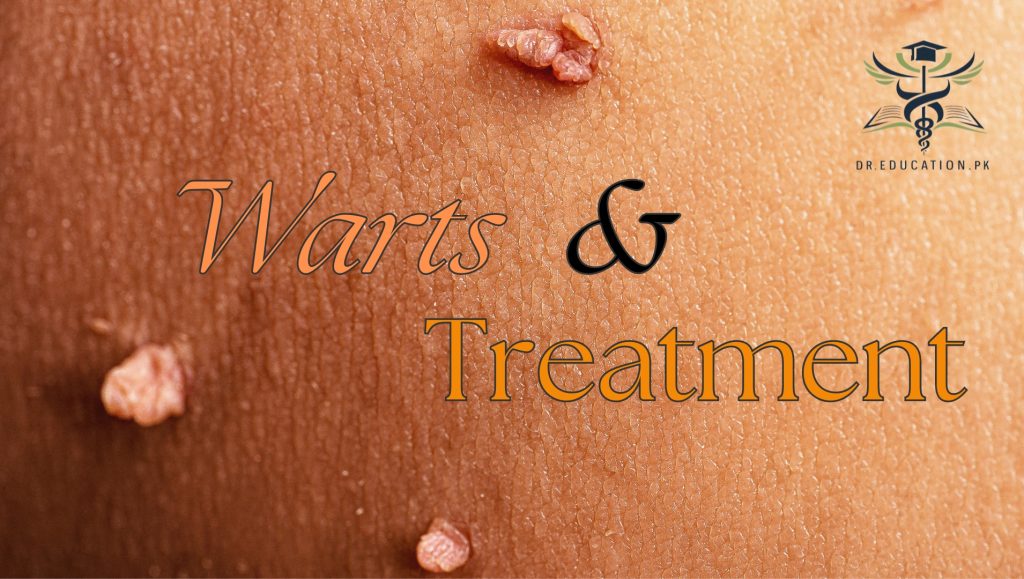
What are Warts?
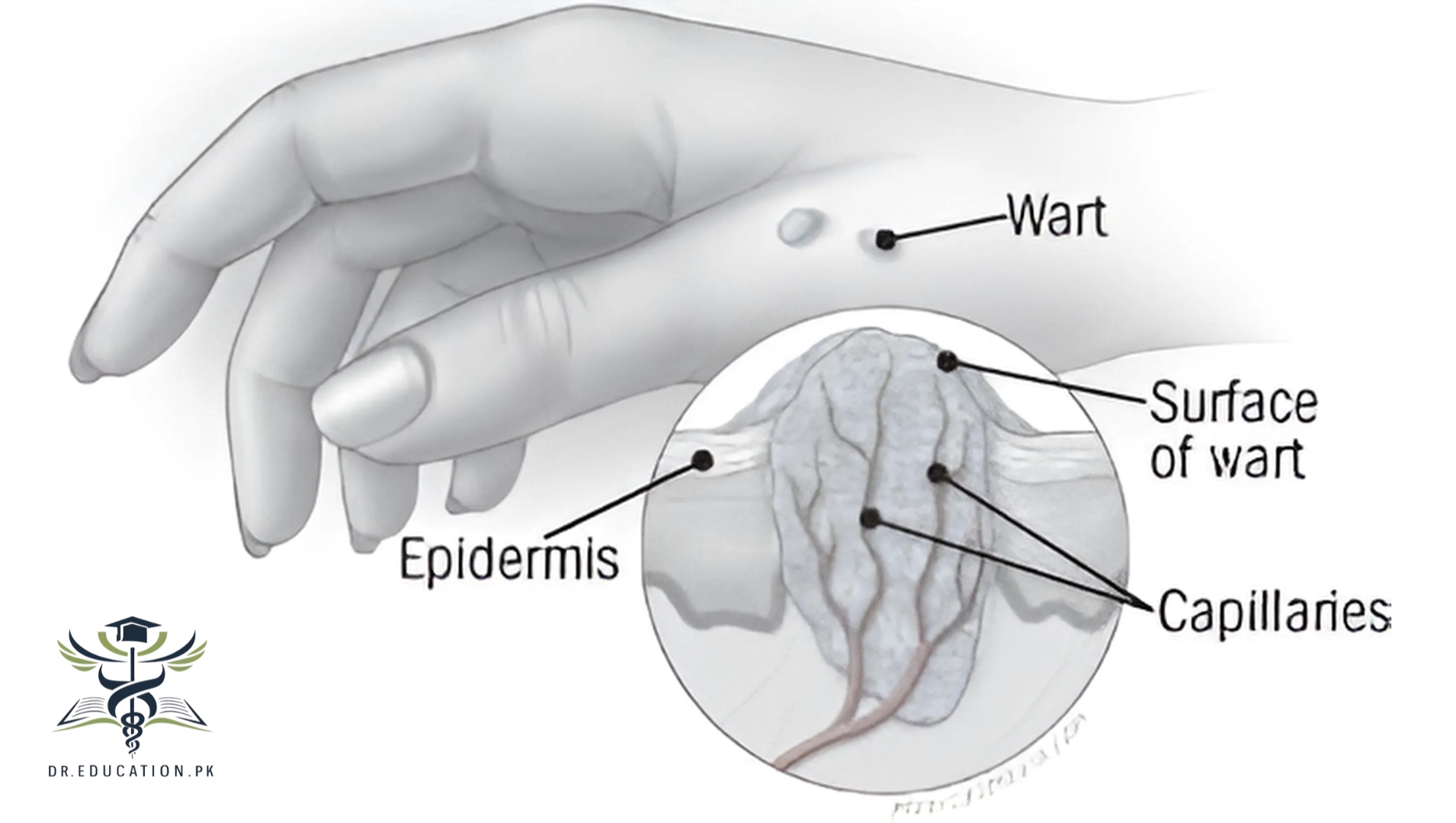
Warts are small, benign (non-cancerous) growths on the skin caused by a viral infection in the top layer of skin or mucous membranes. They are most commonly caused by the human papillomavirus (HPV), which is transmitted through direct contact with the skin of an infected person or indirectly from contaminated surfaces.
Overview
What are Warts?
Warts are skin growths that develop due to strains of the human papillomavirus (HPV). There are several types, like plantar warts, common warts and flat warts. Warts can be stubborn, but many treatment options can help get rid of them.
Types of Warts
There are several types of warts, depending on their location and appearance:
-
Common Warts (Verruca vulgaris):
- Usually appear on the hands, fingers, knees, or elbows.
- Rough, raised surface, and can have a cauliflower-like appearance.
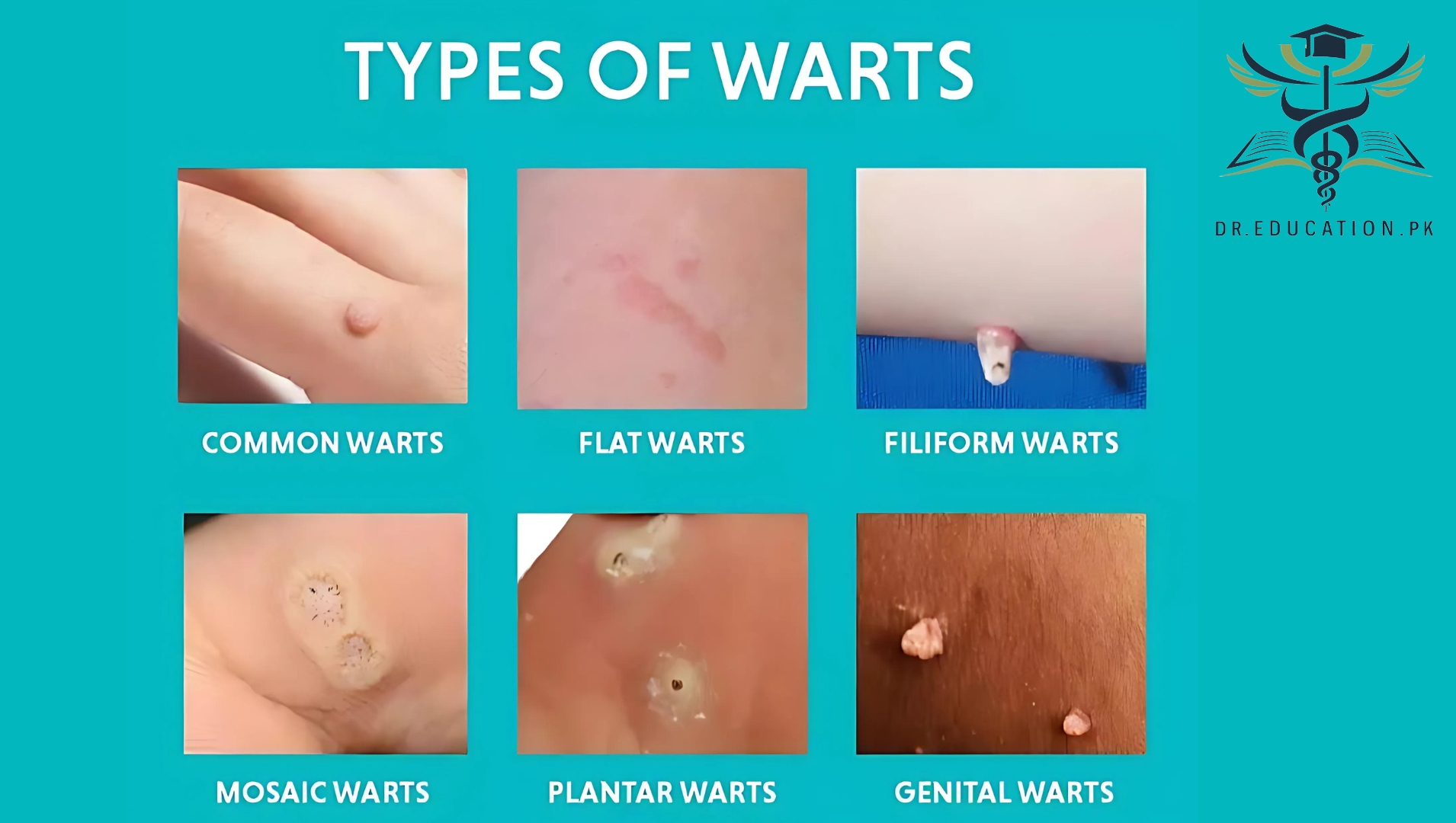
- Plantar Warts (Verruca plantaris):
- Found on the soles of the feet.
- Tend to grow inward due to pressure and can cause discomfort when walking.
- Flat Warts (Verruca plana):
- Smaller, smoother, and flatter.
- Often found on the face, neck, arms, or legs.
- Can appear in large numbers.
- Filiform Warts:
- Appear on the face, especially around the mouth, nose, and eyes.
- Long and narrow.
- Genital Warts (Condyloma acuminata):
- Appear in the genital or anal areas.
- Spread through sexual contact.
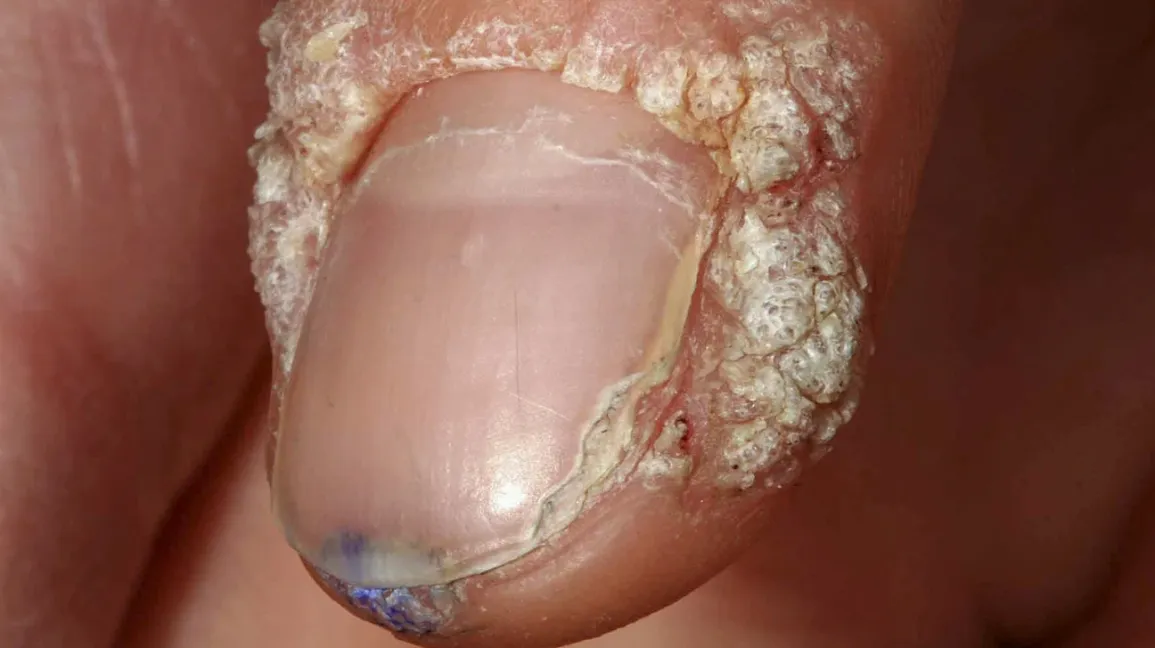
- Periungual Warts:
- Grow under or around fingernails and toenails.
- Can be painful and affect nail growth.
Causes
- Human Papillomavirus (HPV): The primary cause of warts is infection by different strains of HPV. There are over 100 different types of HPV, and not all cause warts. Different strains affect different areas of the body.
- Spread:
- Direct contact: Through skin-to-skin contact with someone who has warts.
- Indirect contact: By touching surfaces contaminated with the virus, such as towels or floors in public places like gyms and pools.
- Autoinoculation: The virus can spread to different parts of the body through scratching or shaving.
Risk Factors
- Weakened Immune System: People with weakened immune systems, such as those with HIV/AIDS or on immunosuppressive medications, are more prone to warts.
- Children and Adolescents: Their immune systems are still developing, making them more susceptible.
- Damaged Skin: Warts are more likely to occur on broken or damaged skin.
Symptoms
- Small, grainy growths on the skin.
- Flesh-colored, white, or pinkish bumps that may have tiny black dots (clotted blood vessels).
- Warts may be rough or smooth depending on their type and location.
- Plantar warts can cause pain or discomfort when walking.
Diagnosis
- Warts are usually diagnosed through visual examination by a healthcare provider.
- In rare cases, a skin biopsy might be performed to rule out other skin conditions.
Treatment
Warts often resolve on their own, but treatment may be needed if they cause discomfort, spread, or for cosmetic reasons. Common treatments include:
- Topical Salicylic Acid: Softens and exfoliates the wart tissue over time.
- Cryotherapy (Freezing): Liquid nitrogen is used to freeze the wart, causing it to blister and fall off.
- Cantharidin: A chemical applied to the wart to form a blister beneath it, lifting the wart off.
- Electrosurgery and Curettage: The wart is burned and scraped off.
- Laser Therapy: Lasers are used to destroy the blood vessels feeding the wart, causing it to die off.
- Immunotherapy: Treatment that stimulates the immune system to fight off the virus.
- Prescription Medications: Such as imiquimod, which stimulates the body’s immune response to HPV.
Home Remedies
Some over-the-counter options include:
- Salicylic acid: Available in liquid, gel, or patch form.
- Duct tape occlusion therapy: Covering the wart with duct tape for extended periods has been reported to help.
- Apple cider vinegar: Anecdotally used to dry out warts, though not scientifically proven.
Prevention
- Good hygiene: Wash hands regularly and avoid touching warts on yourself or others.
- Keep feet dry: Wear flip-flops in public showers and avoid walking barefoot in communal areas.
- Avoid sharing personal items: Such as towels, razors, or socks.
- HPV Vaccination: While primarily for preventing genital warts and HPV-related cancers, the vaccine can reduce some HPV strains that cause warts.
Complications
- Spread of warts: They can spread to other parts of the body or to other people.
- Pain: Especially plantar warts that cause discomfort when walking.
- Infection: Scratching or picking at warts can lead to bacterial infections.
Prognosis
- Warts are generally harmless and may disappear on their own, although this can take months or years.
- Treatment may speed up the process, but recurrence is common, as HPV can remain in the skin.


