

What is Myocardial Infarction?
A myocardial infarction (MI), commonly known as a heart attack, occurs when blood flow decreases or stops in one of the coronary arteries of the heart, causing infarction (tissue death) to the heart muscle. The most common symptom is retrosternal chest pain or discomfort that classically radiates to the left shoulder, arm, or jaw. The pain may occasionally feel like heartburn.

Overview
Myocardial Infarction (Heart Attack)
A myocardial infarction (MI), commonly known as a heart attack, occurs when blood flow to a part of the heart is blocked for a long enough period to cause damage or death of heart muscle tissue. This usually happens because of a blockage in one or more coronary arteries due to the build-up of fatty deposits (plaques) over time, a process known as atherosclerosis.
Pathophysiology
MI typically results from the rupture of an atherosclerotic plaque, leading to the formation of a thrombus (blood clot) that obstructs the coronary artery. This blockage deprives the heart muscle (myocardium) of oxygen (ischemia). If the blood flow is not restored, the affected part of the heart muscle begins to die, resulting in infarction.
Types of MI:
-
- ST-Elevation Myocardial Infarction (STEMI): Complete blockage of a coronary artery.
- Non-ST-Elevation Myocardial Infarction (NSTEMI): Partial blockage of a coronary artery.
- Silent MI: Heart attacks with no symptoms or unrecognized by the patient.
Risk Factors
Major risk factors for myocardial infarction include:
- Modifiable:
- Smoking
- Hypertension (high blood pressure)
- Hyperlipidemia (high cholesterol)
- Diabetes
- Obesity
- Sedentary lifestyle
- Stress
- Unhealthy diet
- Non-modifiable:
- Age (men over 45 and women over 55 are at higher risk)
- Family history of heart disease
- Gender (men are at higher risk than women)

Symptoms
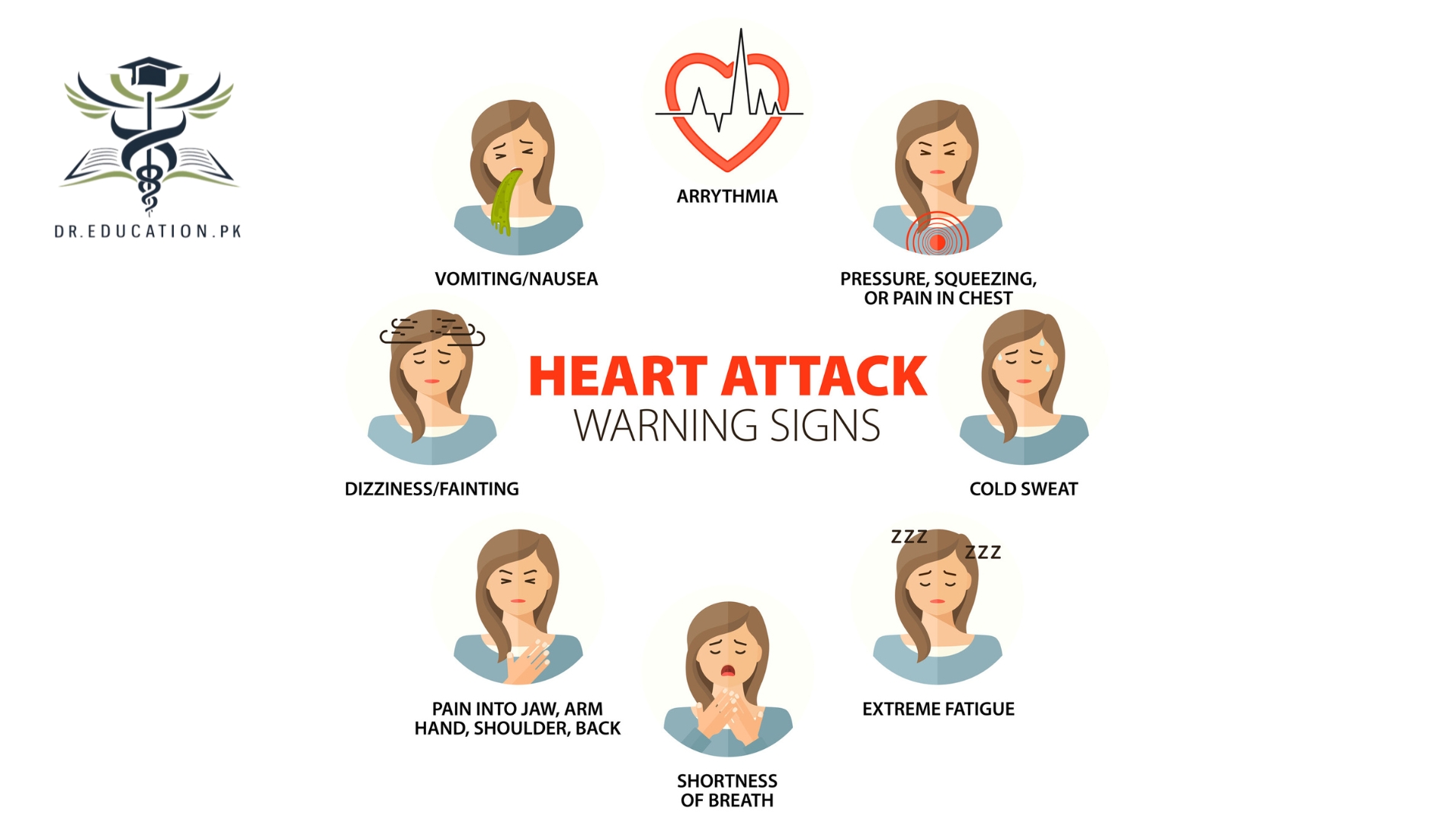
Common symptoms of myocardial infarction include:
- Chest pain or discomfort: Often described as pressure, squeezing, fullness, or pain in the center or left side of the chest, lasting for more than a few minutes or going away and coming back.
- Radiating pain: Pain may radiate to the shoulders, neck, jaw, arms (especially the left arm), or back.
- Shortness of breath: Can occur before or alongside chest discomfort.
- Other symptoms:
- Nausea or vomiting
- Cold sweats
- Light-headedness or dizziness
- Fatigue
- A sense of impending doom
- Syncope (fainting)
Diagnosis
Diagnosing a myocardial infarction involves a combination of clinical assessment, electrocardiography (ECG), and blood tests.
- Electrocardiogram (ECG): Identifies abnormal electrical activity in the heart. Specific changes, such as ST-segment elevation, can suggest a STEMI.
- Blood tests:
- Troponins: The gold standard biomarkers for diagnosing MI. Elevated levels indicate damage to heart muscle cells.
- CK-MB (Creatine Kinase-MB): Another marker used to detect heart muscle injury, although it is less specific than troponins.
- Imaging:
- Echocardiography: Evaluates heart function and can detect areas of the heart that are not contracting properly.
- Coronary angiography: Visualizes the coronary arteries to locate blockages.
Management
Immediate treatment for myocardial infarction aims to restore blood flow to the affected heart muscle and minimize damage.
- Initial treatment:
- MONA: Morphine, Oxygen, Nitroglycerin, Aspirin (antiplatelet therapy).
- Antiplatelet drugs (e.g., Clopidogrel): Prevent further clot formation.
- Beta-blockers: Reduce heart rate and oxygen demand.
- ACE inhibitors: Improve heart function and reduce the risk of complications.
- Revascularization procedures:
- Percutaneous Coronary Intervention (PCI): A catheter-based procedure to open blocked arteries, often involving the placement of a stent.
- Thrombolytic therapy: Administering clot-busting drugs to dissolve a clot, especially in settings where PCI is not available.
- Coronary artery bypass graft (CABG): Surgical rerouting of blood flow around blocked arteries.
Long-term Management & Rehabilitation
After initial treatment, long-term care focuses on preventing future heart attacks and improving heart function.
- Medications:
- Antiplatelet agents (Aspirin, Clopidogrel)
- Statins (for cholesterol control)
- Beta-blockers
- ACE inhibitors or ARBs
- Aldosterone antagonists (e.g., spironolactone)
- Lifestyle changes:
- Smoking cessation
- Dietary modifications (low in saturated fat, high in fruits, vegetables, and whole grains)
- Exercise: Cardiac rehabilitation programs are recommended.
- Weight management and blood pressure control.
Complications
Complications following MI can be severe and include:
- Heart failure: Due to reduced pumping ability of the heart.
- Arrhythmias: Abnormal heart rhythms, such as ventricular fibrillation or atrial fibrillation.
- Cardiogenic shock: A condition where the heart is unable to supply enough blood to meet the body’s needs.
- Myocardial rupture: A tear in the heart wall.
- Pericarditis: Inflammation of the lining surrounding the heart (Dressler’s syndrome).
- Recurrent MI or stroke
Prevention
Preventive measures focus on controlling risk factors through lifestyle changes and medication.
- Primary prevention: For individuals without previous cardiovascular events:
- Maintaining a heart-healthy diet, regular exercise, and avoiding tobacco.
- Managing blood pressure, diabetes, and cholesterol.
- Secondary prevention: For individuals who have experienced a myocardial infarction:
- Adherence to medications (antiplatelet agents, statins, beta-blockers).
- Regular follow-up with healthcare providers.
- Participation in cardiac rehabilitation.
When to see a Doctor
You should seek medical attention immediately if you or someone else is experiencing symptoms that may indicate a myocardial infarction (heart attack). Some signs and situations where it is crucial to see a doctor or call emergency services include:
When to Seek Emergency Help (Call 911 or Go to the ER):
- Chest Pain or Discomfort:
- Pain, pressure, tightness, or a squeezing sensation in the center or left side of the chest that lasts for more than a few minutes or comes and goes.
- Any discomfort or pain that radiates to the shoulder, arm (especially the left arm), jaw, neck, back, or stomach.
- Shortness of Breath:
- Difficulty breathing or feeling out of breath, especially if it is accompanied by chest discomfort.
- Cold Sweats or Clammy Skin:
- Sudden onset of sweating, particularly without exertion, is a warning sign.
- Nausea or Vomiting:
- Feeling sick to the stomach or actually vomiting, especially if combined with other heart attack symptoms.
- Light-headedness or Dizziness:
- Feeling faint, dizzy, or lightheaded, especially if paired with chest discomfort.
- Unexplained Fatigue:
- Sudden or extreme tiredness that isn’t related to activity, especially in women, could signal a heart attack.
- Palpitations or Rapid Heartbeat:
- A racing, pounding, or irregular heartbeat (arrhythmia) combined with chest pain or other symptoms.
- Syncope (Fainting):
- Passing out or losing consciousness, especially if preceded by chest pain or shortness of breath.
- Silent Heart Attack:
- In some cases, especially among the elderly or those with diabetes, heart attacks may present with vague symptoms or even no pain at all. Signs such as fatigue, breathlessness, or sudden weakness should be taken seriously.
When to Schedule a Doctor’s Visit (Non-Emergency):
- Regular Chest Discomfort or Pain:
- If you occasionally experience chest pain that resolves on its own but you haven’t been diagnosed with a heart condition, you should schedule an appointment to discuss these symptoms with your doctor.
- Known Risk Factors:
- If you have risk factors such as hypertension, high cholesterol, diabetes, smoking, or a family history of heart disease, it’s essential to have regular checkups and discuss preventive strategies with your doctor.
- Unexplained Shortness of Breath:
- If you notice you get winded easily, even with mild activity or while at rest, it could be an early sign of heart disease.
- Frequent Palpitations:
- If you regularly experience a racing or irregular heartbeat without other symptoms, it’s important to have this evaluated.
- Swelling in Legs or Feet (Edema):
- Persistent swelling in the lower extremities can be a sign of heart failure, especially when associated with fatigue or shortness of breath.
- Family History of Heart Disease:
- If your close relatives have a history of heart attacks or other cardiovascular diseases, schedule a checkup to assess your own risk.
Key Advice:
- Don’t Wait: Heart attack symptoms can vary, and every minute matters when a myocardial infarction occurs. Quick medical attention can prevent significant heart damage.
- Err on the Side of Caution: If you’re unsure whether your symptoms are serious, it’s always better to seek help.
Prognosis
The prognosis of myocardial infarction depends on the extent of heart damage, how quickly treatment was administered, and the patient’s overall health. Early treatment, lifestyle modifications, and appropriate medical therapy significantly improve survival rates and quality of life.
Conclusion
Myocardial infarction is a life-threatening condition that requires urgent medical attention. With advances in treatment and early detection, outcomes have improved, but prevention through lifestyle management and risk factor control remains key.


