
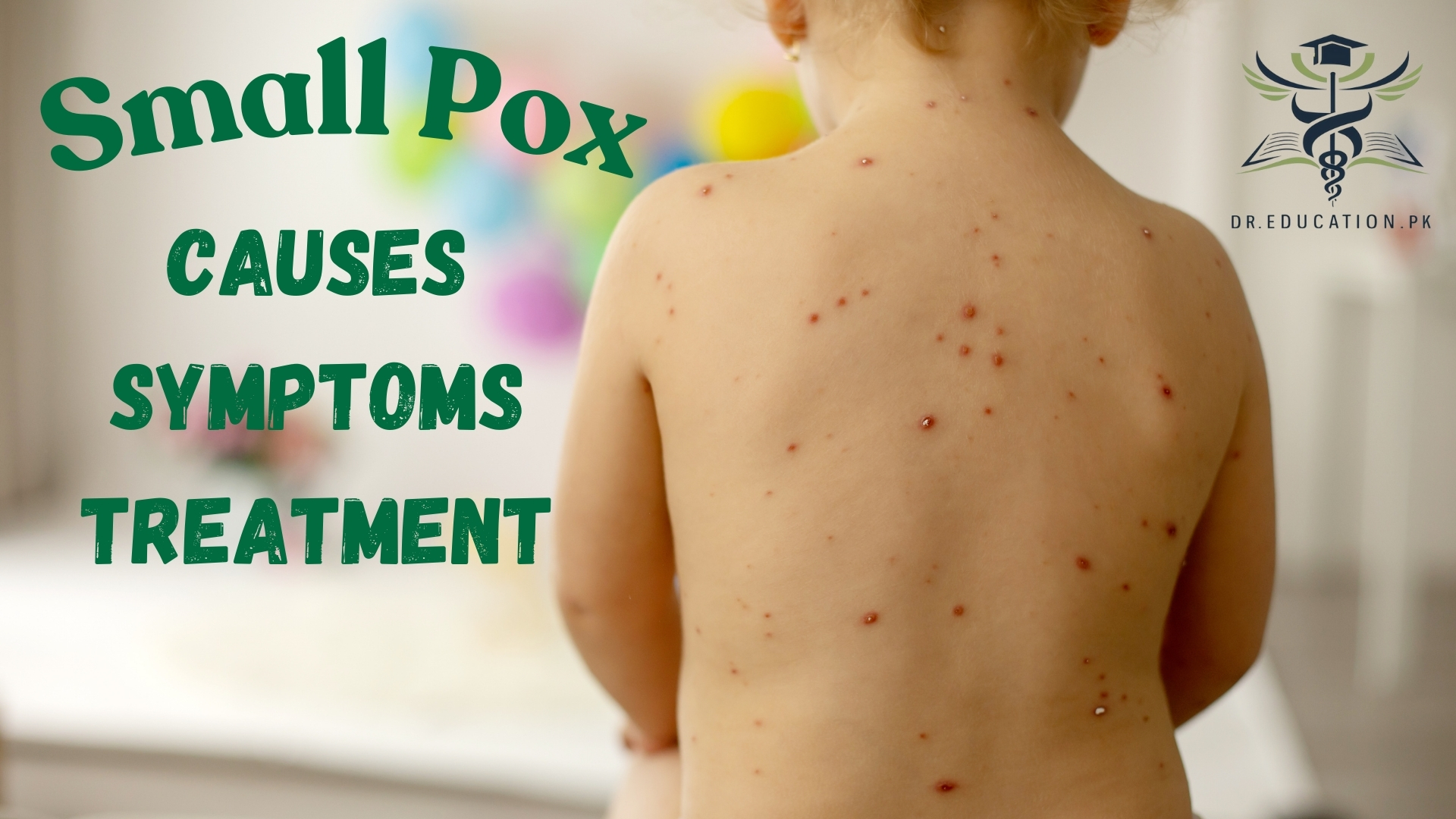
What is SmallPox?
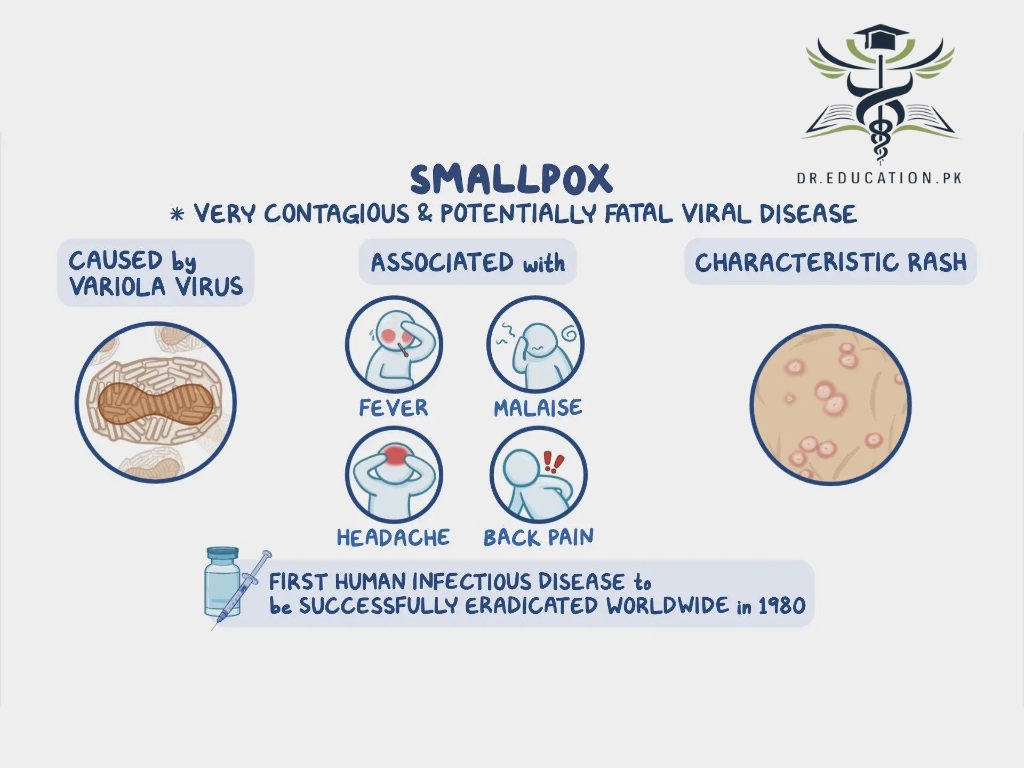
Smallpox is a serious and often deadly viral infection. It’s contagious — meaning it spreads from person to person — and can cause permanent scarring. Sometimes, it causes disfigurement.
Smallpox has affected humans for thousands of years but was wiped out worldwide by 1980 thanks to smallpox vaccines. It’s no longer found naturally in the world. The last case of naturally occurring smallpox was reported in 1977.
Samples of smallpox virus have been kept for research purposes. And scientific advances have made it possible to create smallpox in a lab. This has led to concerns that smallpox could someday be used as a bioweapon.
Vaccines can prevent smallpox, but because most people are unlikely to come in contact with smallpox naturally, routine vaccination isn’t recommended. New antiviral medications can be used to treat people who develop smallpox.
What is smallpox?
Smallpox was a serious illness that killed hundreds of millions before its eradication. It caused a hard, blistering rash that often led to disfiguring scars. About 1 in 3 people who got smallpox died from it.
Beginning in the 1960s, the World Health Organization (WHO) led efforts to stop the spread of smallpox worldwide. By vaccinating and controlling outbreaks, they rid the world of smallpox. It was eradicated in 1980. The last naturally occurring case was in 1977.
Does smallpox still exist?
Smallpox no longer exists in humans or spreads naturally. There haven’t been any cases of smallpox in the last 45 years. Two laboratories (one in the U.S. and one in Russia) have stocks of the virus that causes smallpox for research purposes only.
How did we eradicate smallpox?
Some factors that may have contributed to successfully eradicating smallpox include:
- Only humans get smallpox. It doesn’t spread through animals or insects. This means fewer ways to get infected.
- It was easy to identify. Everyone who had smallpox had symptoms, including a characteristic rash. No one carried smallpox without knowing it (no asymptomatic carriers).
- It spread relatively slowly. Smallpox usually wasn’t contagious until an infected person was too sick to be around many other people. It typically spread among people living in the same house.
- Ring vaccination contained outbreaks. Because it spread only among close contacts, health officials could contain smallpox outbreaks with “ring vaccinations.” This meant vaccinating just those who had been around an infected person recently (a “ring” of contacts).
- It had been around for thousands of years.Survivors of smallpox already had immunity. This meant that fewer people needed to be vaccinated to stop the spread.
Symptoms and Causes
What are the symptoms of smallpox?
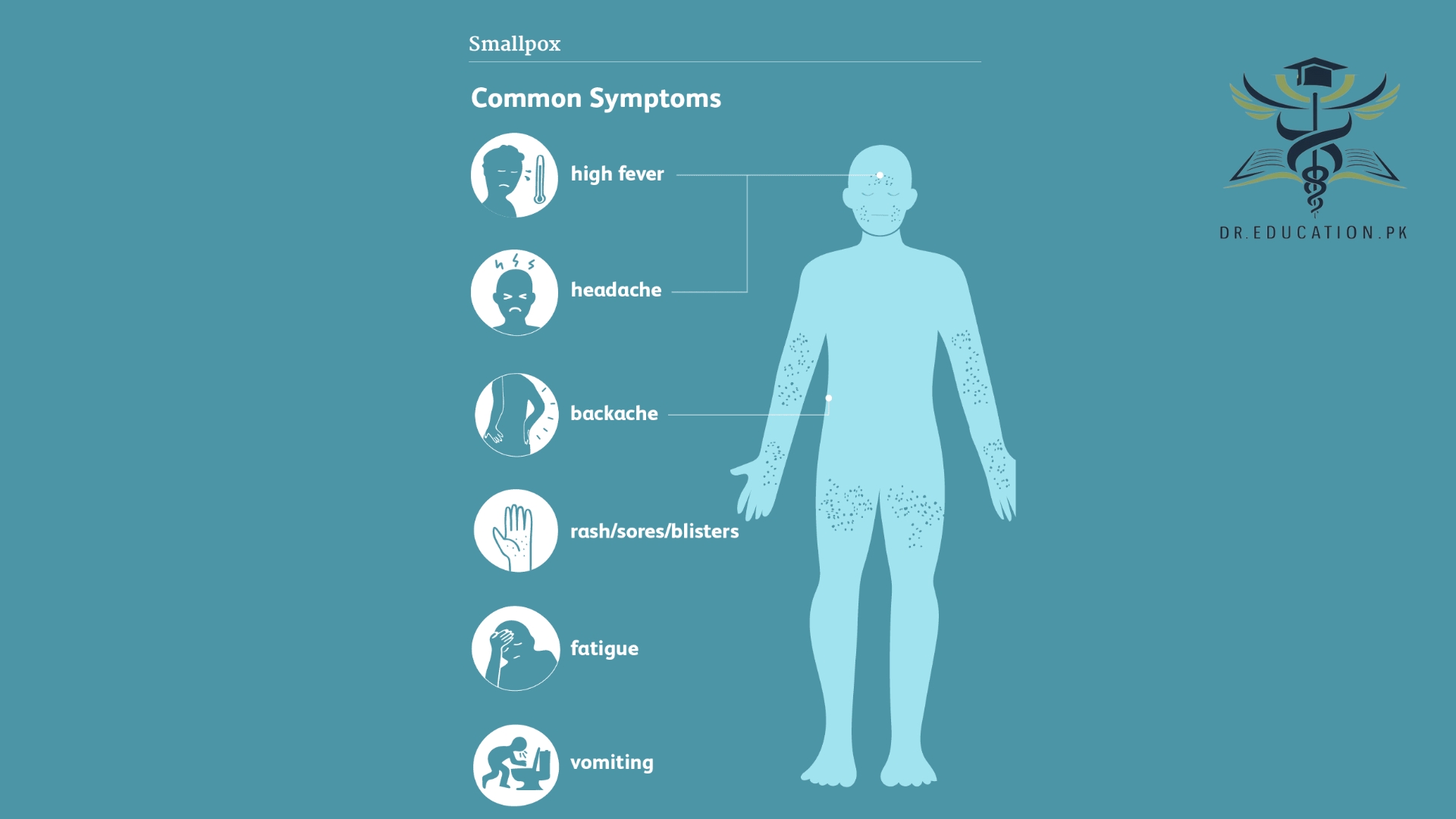
Symptoms of smallpox come in stages and include:
- High fever.
- Severe headache.
- Backache.
- Stomach pain.
- Extreme fatigue and weakness.
- Vomiting.
- Rash that starts in your mouth and spreads to your face, then to the rest of your body.
- Sores, then hard pustules that form from the rash.
Symptoms like fever, headache and fatigue appear first. They last two to four days, though the fever may continue or come back after the rash appears. The rash then goes through stages that each last several days.
What does a smallpox rash look like?
The smallpox rash starts in your mouth and on your face and quickly covers most of your body. It starts as a rash and ends up as hard bumps that turn into scabs. In the most common type of smallpox (ordinary smallpox), the rash goes through several stages:
- Early rash. After your initial symptoms, a rash develops on your tongue and the insides of your mouth and throat. Red spots in your mouth become sores, which break open.
- Spreading rash. The rash spreads to your face and then your arms, legs, back and torso. In about a day, it spreads all over your body, including the palms of your hands and the soles of your feet.
- Bumps on your skin fill with pus (thick fluid). There may be a dent in the middle of each bump. It takes about two days for the bumps to fill with fluid.
- Pustular rash and scabs. Bumps turn into pustules (firm, round lumps). Over the next 10 days, crusty scabs form over the pustules.
- Scabs resolve. Over about a week, the scabs fall off, leaving scars.
Variations
There are a few types of smallpox that cause slightly different symptoms:
- Ordinary smallpox. Ordinary smallpox was the most common type of smallpox and caused the symptoms described above. It caused about 85% of cases. About 1 in 3 people with ordinary smallpox died.
- Modified-type smallpox. People who had been vaccinated sometimes got modified-type smallpox. This was similar to ordinary smallpox, but the rash was less severe and didn’t last as long. Most people survived modified-type smallpox.
- Flat-type (malignant) smallpox. Flat-type smallpox caused more severe initial symptoms than ordinary smallpox. The bumps from the rash merged together and never got hard or fluid-filled. This made a flat, soft rash that didn’t form scabs. Flat-type smallpox happened more often in children. It was almost always fatal.
- Hemorrhagic smallpox. Hemorrhagic smallpox was more common in pregnant people. It caused severe initial symptoms. The rash usually didn’t get hard and fluid-filled. Instead, the skin underneath it bled, causing it to look black or burnt. It also caused internal bleeding and organ failure. Hemorrhagic smallpox was almost always fatal.
What causes smallpox?
The variola virus causes smallpox. There are two variants of variola: variola major and variola minor (or variola alastrim). Variola major caused most cases of smallpox and the most deaths. Variola minor caused similar, but less severe, symptoms. It was only fatal in 1% of cases, compared to over 30% of cases of variola major.
How did smallpox spread?
Smallpox spread through close, face-to-face contact. For instance, someone with smallpox could transmit it by coughing or talking to someone nearby. It was also possible to spread it through contact with infected items (like bedsheets or clothing).
What were the complications of smallpox?
Severe scarring was the most common complication of smallpox. Other complications included:
- Blindness.
- Encephalitis.
- Inflammation in the small air sacs of your lungs (bronchopneumonia).
- Bacterial infections.
- Arthritis.
Why was smallpox so fatal?
While experts aren’t certain how smallpox caused death, it was likely a combination of factors, including:
Prevention
Do we still vaccinate for smallpox?
Providers no longer regularly vaccinate against smallpox. Select groups of people — like some researchers and certain military personnel — are still vaccinated against smallpox. The U.S. government keeps stockpiles of smallpox vaccines, in case there’s another outbreak.
What year did the U.S. stop giving the smallpox vaccine?
In the U.S., providers stopped giving routine smallpox vaccinations in 1972. The last outbreak of smallpox in the U.S. was in 1949.
Does the smallpox vaccine last a lifetime?
Some studies suggest that the smallpox vaccine can provide protection for decades. For those who need a smallpox vaccination for their job, the Centers for Disease Control and Prevention (CDC) recommends getting a booster every three years.
Was smallpox the first disease to have a vaccine?
Yes. In the late 18th century, physician Edward Jenner confirmed long-told stories about dairymaids who were exposed to cowpox becoming immune to smallpox. We now know that cowpox and smallpox are very similar viruses. So, by getting cowpox, a minor illness, and becoming immune to it, people also became immune to smallpox.
Jenner began infecting people with cowpox to prevent them from getting smallpox, creating the first vaccine. The word “vaccine” is actually from the Latin word for cow (“vacca”).
Today, the smallpox vaccine is made from vaccinia, a virus similar enough to smallpox to provide immunity without getting you sick with smallpox.
What is variolation?
Variolation was an early form of vaccination. People would come in contact with the variola virus to purposefully get smallpox. They’d do this by either scratching their skin with the pus from smallpox sores or breathing in a powder made from the scabs. The illness they got from variolation was less severe than getting smallpox naturally, and they were then immune to smallpox. This practice is thought to date back hundreds of years.
Why does the smallpox vaccine leave a scar?
Unlike other modern vaccines, smallpox vaccines use a live, unaltered virus that’s similar to smallpox (called vaccinia). Instead of getting a shot, a healthcare provider dips a two-pronged needle into the virus and pricks your shoulder. You become infected with vaccinia at the vaccine site. The infection causes a blister to form, which later leaves a scar.
People who receive this kind of smallpox vaccine must follow directions for caring for the vaccination site carefully. If they don’t, they can infect someone else with vaccinia. Types of this vaccine include ACAM2000® and APSV.
The JYNNEOST™ vaccine, which is also used for mpox, uses an attenuated (weakened) virus and a more traditional shot. It has a lower risk of side effects than other smallpox vaccines. Healthcare providers give it in two shots under your skin, four weeks apart.
How was smallpox diagnosed?
Providers used the appearance of your rash and pattern of symptoms to diagnose smallpox. Providers can also test samples of your blood or tissue from your skin. They send the samples to a lab to look for viral DNA or antibodies to smallpox. The last diagnosed case of smallpox was in 1978.
What’s the difference between smallpox, mpox and chickenpox?
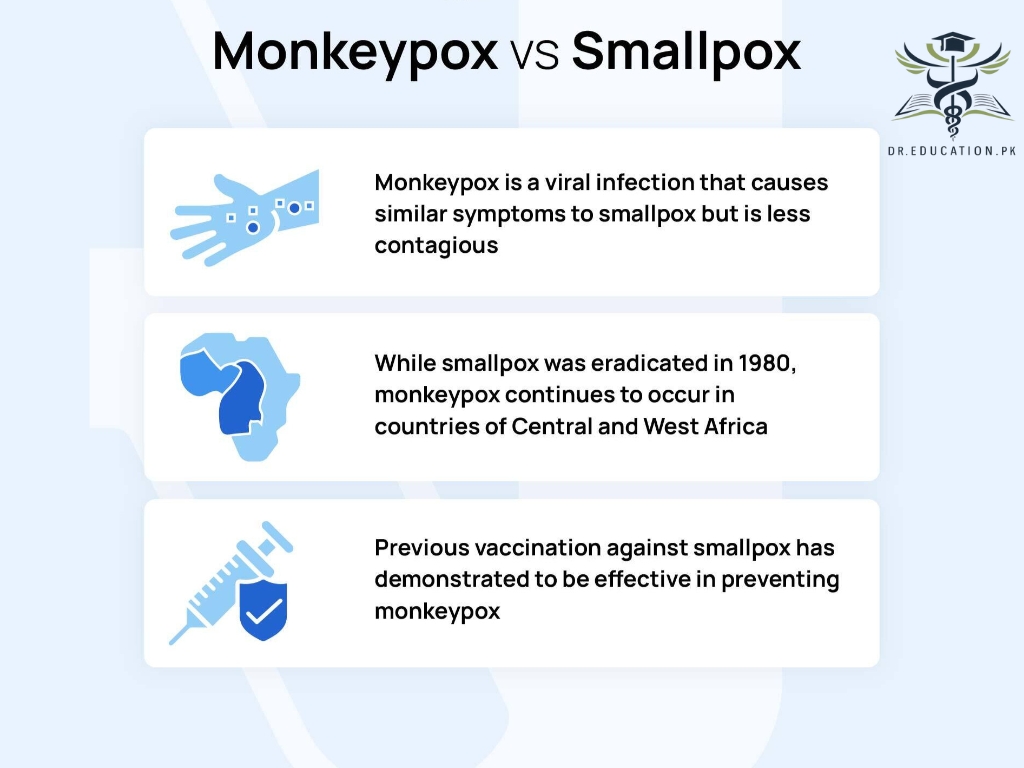
The viruses that cause smallpox and mpox both belong to the same genus (grouping) of viruses called orthopoxvirus. They share similar features, but mpox causes less severe illness than smallpox. Vaccination with vaccinia can provide protection against both.
Despite the word “pox” in the name, chickenpox is caused by a virus (varicella-zoster) that’s not related to smallpox or other orthopoxviruses.
Smallpox in the Modern World
Despite the eradication of smallpox, the virus still exists in two high-security laboratories: one in the United States (at the Centers for Disease Control and Prevention) and one in Russia (at the State Research Center of Virology and Biotechnology). These stocks are kept for research purposes, but they raise ethical questions about the potential risks of accidental release or bioterrorism.
Smallpox remains relevant today due to concerns over its use as a bioweapon. The possibility of re-engineering the virus or releasing preserved stocks has prompted governments to maintain a level of preparedness. Vaccination stockpiles exist, and research continues to improve treatments and vaccines against smallpox in case of an emergency.
In recent years, new antiviral treatments and vaccines, such as tecovirimat (an antiviral approved for smallpox treatment), have been developed to provide additional defense against a possible outbreak.
Treatment of Smallpox:
Historical and Modern Approaches
Smallpox was a deadly disease with no specific cure throughout most of human history. Treatment largely involved managing the symptoms and preventing the spread of the virus. However, with advances in medicine, particularly in recent decades, there have been significant developments in treatments that could be used in case of a future outbreak or bioterrorism event involving the smallpox virus.
1. Historical Treatment Approaches
Before modern medicine, treatment for smallpox focused on symptom management and quarantine, as no effective antiviral drugs were available. The main approaches included:
- Supportive Care: Doctors and caregivers focused on reducing fever and discomfort. This involved:
- Administering pain relievers (such as herbal remedies in ancient times or opiates in later periods).
- Keeping the patient hydrated, especially in cases of severe fever and fluid loss from vomiting or diarrhea.
- Managing skin lesions to prevent secondary infections.
- Quarantine: Since smallpox was highly contagious, infected individuals were isolated to limit the spread. This was a common practice as far back as the medieval period.
- Variolation: As a prevention method, rather than treatment, variolation involved deliberately infecting a person with material from smallpox sores, often leading to a milder case of the disease. This practice carried significant risks but was more effective than doing nothing, as it reduced the mortality rate from 30% to around 1-2%.
None of these treatments were a cure for the disease. Instead, they aimed at improving survival rates and containing outbreaks. Many patients succumbed to complications such as bacterial infections, pneumonia, and dehydration.
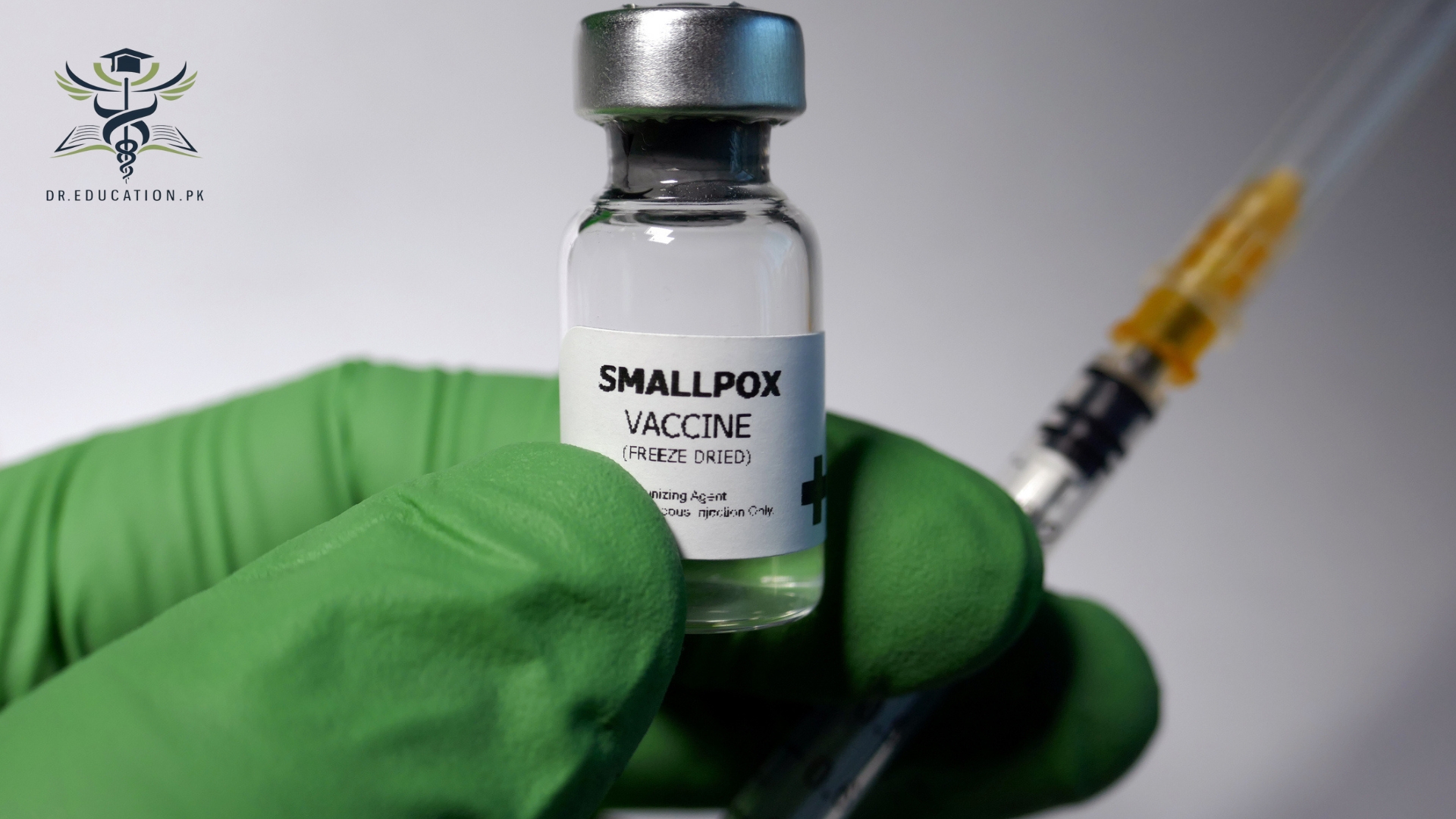
2. Vaccination: The Game-Changer
The real breakthrough in preventing and eventually eliminating smallpox came with the development of the smallpox vaccine by Edward Jenner in 1796. Although vaccination is a preventive measure rather than a treatment, it played a crucial role in smallpox management.
Jenner’s method involved using cowpox virus, which conferred immunity to smallpox without causing severe illness. Over the 19th and 20th centuries, vaccination campaigns dramatically reduced the incidence of smallpox, culminating in the disease’s eradication in 1980.
Vaccination, however, had to be administered before infection or shortly after exposure (within 3-4 days) to provide protection or lessen the severity of the disease.
3. Modern Treatment Options
While smallpox was eradicated in 1980, concerns about bioterrorism and the possibility of re-emergence (either through accidental release or synthetic biology) have driven research into new treatments. These treatments are designed to either directly target the variola virus or manage the symptoms and complications of the disease.
Antiviral Medications
Several antiviral drugs have been developed or repurposed for the treatment of smallpox. The most promising ones include:
- Tecovirimat (TPOXX):
- Tecovirimat is the first antiviral drug approved by the U.S. FDA (in 2018) specifically for the treatment of smallpox. It works by inhibiting a viral protein required for the virus to spread within the body, thereby limiting the severity of the infection.
- Although tecovirimat has not been tested directly in humans for smallpox (since the disease is eradicated), it has been shown to be effective against related orthopoxviruses in animal models, such as monkeypox and cowpox.
- Tecovirimat would likely be used in case of a bioterrorism event involving smallpox, as it has been stockpiled by several governments.
- Cidofovir:
- Originally developed as an antiviral for treating cytomegalovirus (CMV) infections in AIDS patients, cidofovir has been found to have activity against orthopoxviruses, including variola.
- It inhibits viral replication by interfering with the viral DNA polymerase enzyme, essential for the virus to reproduce.
- Due to its potential side effects (notably kidney damage), cidofovir is used cautiously, but it is available for emergency use in smallpox or other poxvirus infections.
- Brincidofovir:
- A newer derivative of cidofovir, brincidofovir was developed to reduce the toxic side effects associated with cidofovir. It is more easily tolerated and has shown promise in treating smallpox and other orthopoxvirus infections in preclinical studies.
- Like tecovirimat, brincidofovir is stockpiled as a countermeasure against bioterrorism.
Post-Exposure Vaccination
While vaccination is primarily a preventive measure, it can also be used after exposure to the variola virus to reduce the severity of the disease:
- If administered within 3-4 days of exposure, the smallpox vaccine can prevent or significantly reduce the symptoms.
- If given within 7 days of exposure, it may still offer some protection, but the disease could be milder.
In the case of an outbreak, post-exposure vaccination would be combined with ring vaccination strategies, where close contacts of infected individuals are vaccinated to contain the spread of the virus.
Symptom Management and Supportive Care
Even with antiviral treatments, managing the symptoms of smallpox is critical for improving patient outcomes. Supportive care during an infection would include:
- Fever management: Antipyretics such as acetaminophen or ibuprofen would be used to reduce fever and discomfort.
- Hydration: Patients often lose fluids due to fever, vomiting, and diarrhea. Intravenous fluids or oral rehydration solutions would be essential for preventing dehydration.
- Preventing secondary infections: Antibiotics may be prescribed if secondary bacterial infections, such as pneumonia or sepsis, develop as complications of smallpox.
- Skin care: The pustules caused by smallpox can become infected, leading to further complications. Proper skin care, wound cleaning, and dressings would be necessary to prevent this.
4. Emergency Preparedness and Stockpiling
Given the eradication of smallpox, there are no routine treatments for the disease, and it does not occur naturally anymore. However, governments around the world, particularly the U.S., have stockpiles of vaccines, antivirals like tecovirimat, and other medical supplies in case of a bioterrorism event.
Public health systems have emergency plans in place to deal with potential smallpox outbreaks, including:
- Mass vaccination campaigns in the event of exposure.
- Isolation and quarantine measures to contain the spread of the virus.
- Training of healthcare professionals to identify and manage potential cases of smallpox.
5. Potential Future Treatments
As research into poxviruses continues, new antiviral treatments and vaccines are likely to emerge. Modern scientific techniques such as genetic engineering and monoclonal antibodies offer new possibilities for developing highly targeted therapies for smallpox. In the event of a re-emergence, it is expected that modern molecular medicine would rapidly provide new treatment options to mitigate the effects of the virus.
Conclusion from Dreducation.pk
Smallpox was once one of the deadliest diseases known to humanity, shaping the course of history in profound ways. From its ancient origins to its final eradication in the 20th century, the story of smallpox is one of both immense suffering and remarkable scientific achievement. The eradication of smallpox represents the power of collective global action and the triumph of medical science. While smallpox no longer poses a natural threat, its legacy continues to influence global health policies, bioterrorism preparedness, and vaccine development.


